New - 30 Mins Ago

.jpg)


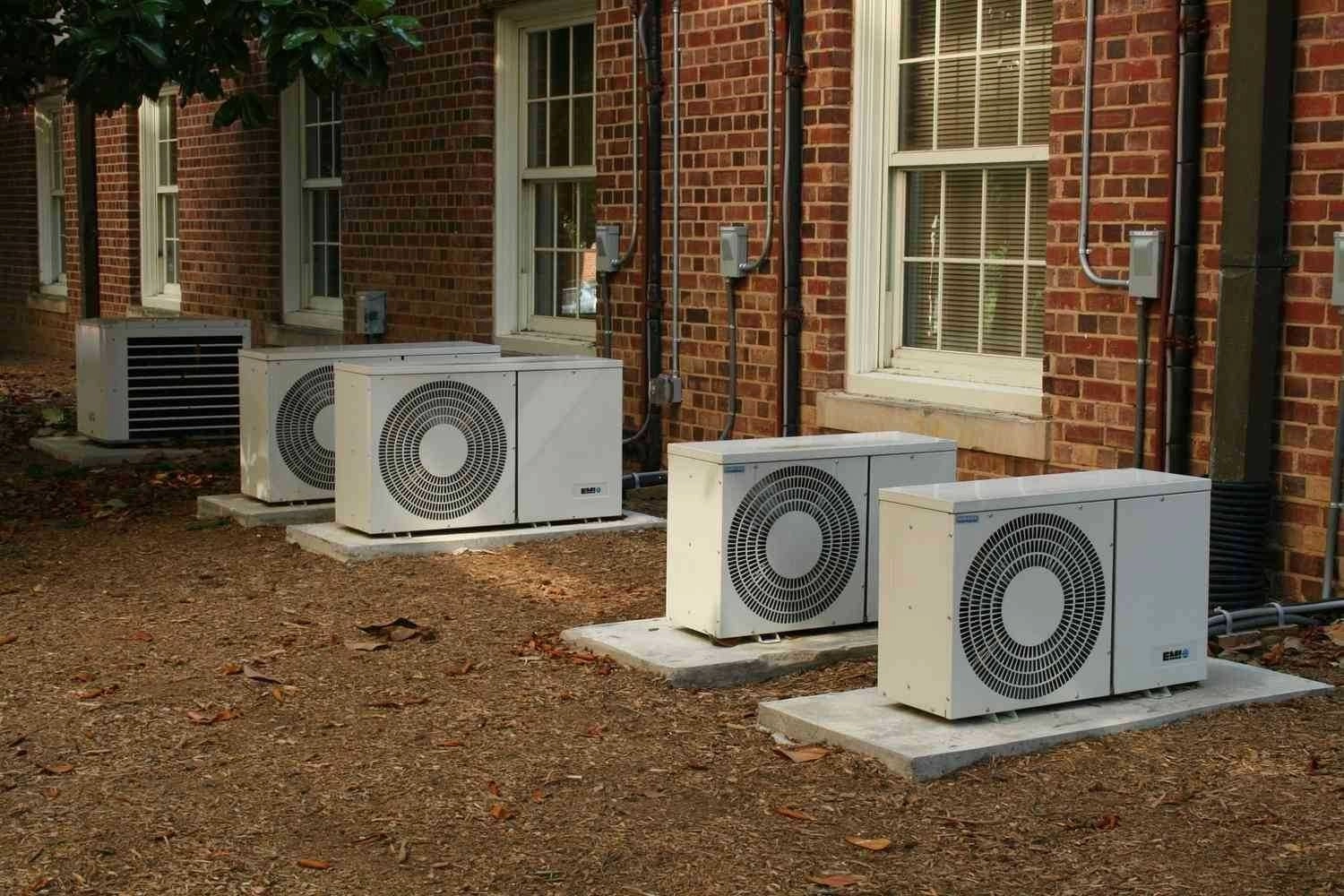
HVAC system age shapes a Denver home's value at the negotiating table more than in the initial list price. Buyers rarely walk away over an aging furnace or AC unit alone, but once a home inspection documents its remaining service life, the age becomes a specific dollar figure both sides negotiate around, from a price reduction to a repair credit at closing.
A licensed HVAC company, such as the technicians at gundlachsservice.com, can assess a system's condition, confirm maintenance history, and document remaining service life before or during a transaction. That assessment becomes part of the inspection record, and a buyer's agent uses it to request a specific credit or price adjustment rather than a vague concern about an old system.
A gas furnace in a Denver metro home runs 15 to 20 years with regular maintenance, though a unit that has run without service can wear out sooner. Colorado's altitude means a furnace and an AC unit both work harder to move the same amount of air than an identical unit at sea level, which can shorten service life on a system that has never been adjusted for elevation.
A furnace replacement runs $4,500 to $9,000 in the Denver metro depending on the home's size and the unit's efficiency rating. Central air conditioning added to a home that has none runs $6,000 to $12,000 including ductwork adjustments. These numbers matter directly at the negotiating table, since a buyer's requested credit is built around a real replacement estimate, not a guess.
| System | Expected service life | Denver metro replacement cost |
|---|---|---|
| Gas furnace | 15 - 20 years | $4,500 - $9,000 |
| Central air conditioner | 12 - 18 years | $4,000 - $8,000 |
| Water heater (tank) | 8 - 12 years | $1,500 - $3,000 |
A pre-listing tune-up checks the heat exchanger, refrigerant level, electrical connections, filter condition, and airflow at the vents, then produces a written report a seller can hand to a buyer's agent before an offer is even written. The cost of a tune-up runs a fraction of a full replacement, and a clean report ahead of the buyer's own inspection removes one of the most common points where a Colorado deal slows down.
A full replacement rarely returns its full cost in list price, but a documented service call and a clean bill of health from a licensed technician can prevent an inspection surprise that stalls or reopens negotiations after a buyer is already under contract. A furnace or AC unit past 15 years benefits from a pre-listing inspection even when a full replacement is not in the budget.
A cracked heat exchanger, a refrigerant leak, or a system that fails to reach the operating temperature it should during inspection testing can stop a Colorado closing until it is addressed. A seller who fixes these items before listing avoids the delay and the negotiating room they hand a buyer once discovered mid-contract; a seller who instead prices the home to reflect a known issue and discloses it upfront avoids the surprise altogether.
Keep service records, filter-change receipts, and any repair invoices in one folder before listing. A documented maintenance history reassures a buyer's inspector and gives an agent something concrete to point to when a buyer raises a concern about the system's age during negotiations.
A buyer touring homes with an aging HVAC system should ask for the installation date, the last service date, and whether the seller has any repair history on file, then use the Denver metro replacement cost ranges above to budget for a future replacement rather than treating it as a surprise. Factoring a known future cost into an offer, rather than discovering it after closing, keeps a purchase on budget and gives a buyer solid footing to negotiate a credit during the inspection period.
An HVAC system rated for sea-level performance loses some efficiency at Colorado's elevation, since thinner air changes how a furnace burns fuel and how an AC unit's compressor performs. A system properly sized and adjusted for the Front Range's elevation runs more efficiently and lasts closer to its full expected service life than an improperly matched unit installed without accounting for altitude.
A buyer who wants to close on a home with an aging system and handle the replacement afterward should talk to a lender early about how the cost fits into the overall budget. Mike Oswald at Rate (NMLS 261003, Equal Housing Lender) works with Colorado buyers on financing that accounts for a planned repair or replacement, and you are free to use any lender. Start with the Colorado home financing guide.
The Kenna Real Estate Group helps Denver metro sellers price and prepare a home with an aging HVAC system, and helps buyers understand replacement costs before making an offer. Call or text 303-955-4220. A live person answers. Not a robot, not a phone tree. Or search every home for sale in Colorado to compare homes with recently updated systems.
Questions about any home in Colorado? Call or text 303-955-4220. A live person answers.
Not directly; it becomes a negotiating point once a home inspection documents its remaining service life, resulting in a price adjustment or a repair credit in most cases rather than a lower list price.
A well-maintained central AC unit runs 12 to 18 years in the Denver metro, with Colorado's altitude adding extra wear on a unit that has never been adjusted for elevation.
A full replacement rarely returns its full cost in list price; a documented pre-listing inspection and any needed repairs prevent a surprise that stalls negotiations after a buyer is under contract.
A cracked heat exchanger, a refrigerant leak, and a system that fails to reach the temperature it should during inspection testing are the issues that most commonly stall a sale.
Plan on $4,500 to $9,000 depending on the home's size and the unit's efficiency rating, with ductwork changes adding to the total in an older home.
Yes. A negotiated credit toward the closing costs is a common outcome, letting the buyer choose the timing and the contractor for the eventual replacement.
Yes. Documented service records and filter-change receipts reassure an inspector and give a buyer's agent something concrete to reference during negotiations.