.jpg)


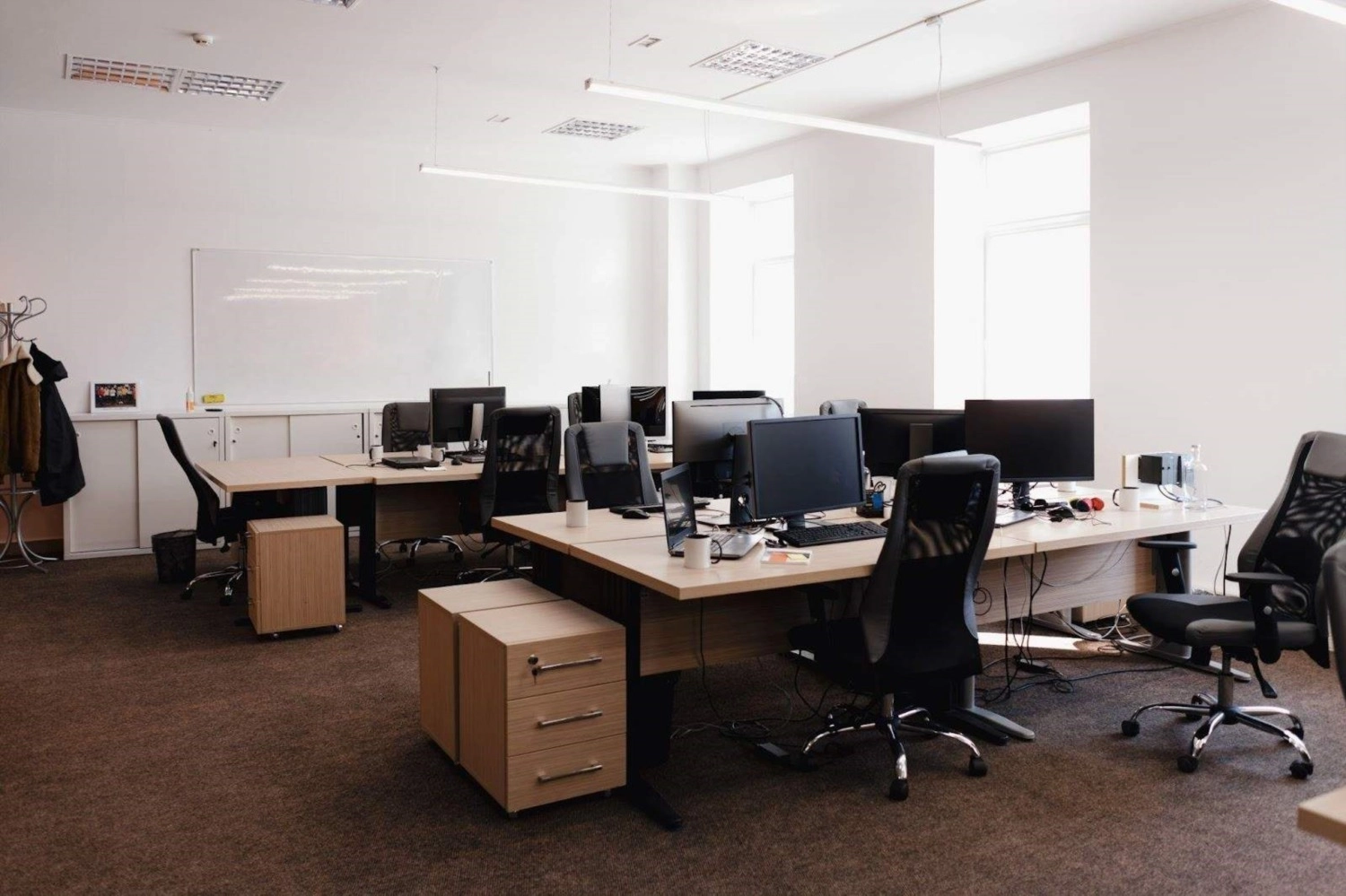
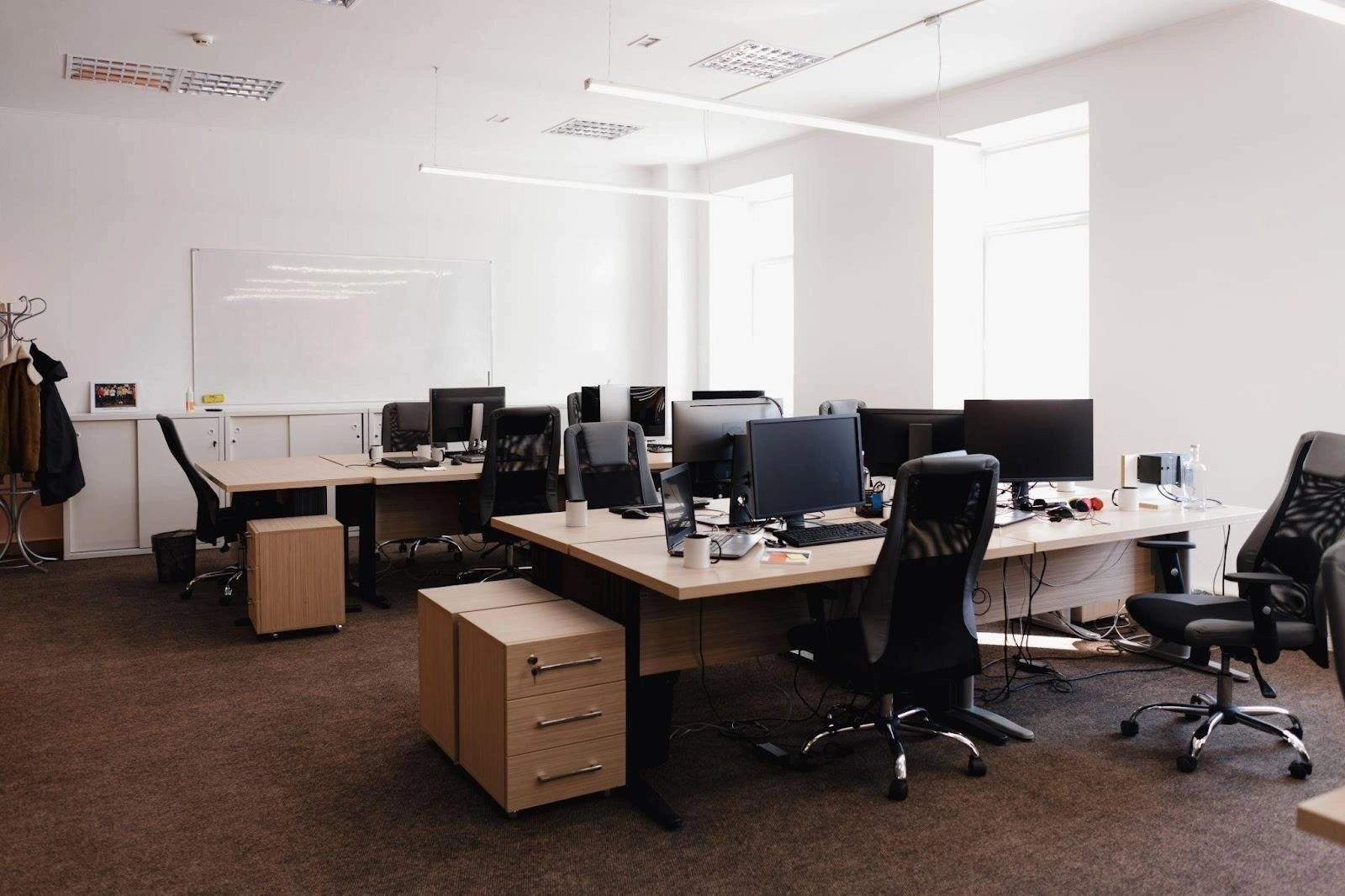
Walk into any thriving office, and you'll feel it immediately - the energy, the flow, the sense that people are actually getting things done. Now walk into a poorly designed workspace: cramped desks, uncomfortable chairs, lighting that makes you want to close your eyes, and a layout that actively discourages productivity. The difference is stark, and it's not coincidental.
The design and configuration of a commercial office space directly influence how employees perform, collaborate, and engage with their work. In today's competitive business environment, workspace setup has evolved from an afterthought into a strategic asset. For commercial property owners and tenants, investing in a well-considered office environment translates into measurable benefits: higher employee satisfaction, reduced turnover, and ultimately, stronger business performance.
When tenants occupy spaces that support their daily workflows and prioritise comfort, they're more likely to renew leases and maintain their premises to a high standard. Property owners who understand this connection can position their commercial offerings as more than just square metreage—they become enablers of business success. Understanding why this link exists requires a closer look at the science behind office design.
The Science Behind Space: Why Office Design Actually Matters
Here's something most business owners learn the hard way: you can hire the best talent, offer competitive salaries, and provide excellent benefits, but if your office makes people miserable, productivity will suffer.
Office layout is far more than an aesthetic preference. The way a workspace is arranged affects concentration, communication patterns, and the overall rhythm of the working day. Open-plan layouts encourage collaboration and transparency but can compromise focus for tasks requiring deep concentration. Private offices and quiet zones offer the opposite: isolation when needed, with less spontaneous interaction.
The reality? There's no one-size-fits-all solution. A creative agency thrives on the buzz of an open space. An accounting firm needs quiet zones for detailed work. A tech startup requires both collaborative areas for brainstorming and private spaces for coding marathons.
The most productive commercial spaces strike a balance. They offer variety—zones for collaboration, areas for focused work, and spaces for informal catch-ups. Flexibility is critical here. Businesses change, teams grow, and work styles evolve. An office setup that can adapt without requiring full refits provides long-term value for both tenants and landlords. Key takeaway: Prioritise adaptable layouts and varied work zones to support evolving business needs.
Ergonomics: The Foundation of a Productive Office
Let's talk about something that sounds boring but costs businesses thousands in lost productivity: bad chairs.
Ergonomics isn't a luxury reserved for high-end fit-outs. It's a practical necessity that directly impacts employee well-being and output. Bad posture, repetitive strain, and discomfort from inadequate seating lead to fatigue and distraction. These issues also increase absenteeism. Over time, they compound into lost productivity and higher workplace injury costs.
Think about it: your employees spend roughly 40 hours a week sitting at their desks. That's 2,000 hours a year. If they're uncomfortable for even a fraction of that time, it adds up to serious productivity drain. People can't focus when they're adjusting their position every ten minutes, dealing with back pain, or counting down the hours until they can finally stand up.
Investing in supportive, adjustable seating is one of the most effective interventions a business can make. Quality office chairs designed with lumbar support, adjustable armrests, and breathable materials reduce physical strain and allow employees to maintain focus for longer periods. When staff are comfortable, they work more efficiently and with fewer interruptions caused by discomfort or the need to shift position constantly.
5 Furniture Choices That Actually Boost Daily Productivity
Beyond seating, every piece of furniture in your office either supports or hinders workflow. Here are the key elements that make a measurable difference:
1. Height-Adjustable Desks
The sit-stand revolution isn't just trendy - it's backed by research. Adjustable desks accommodate different work preferences and encourage movement throughout the day, combating the health risks of prolonged sitting while keeping energy levels steady.
2. Smart Storage Solutions
Clutter kills productivity. Accessible storage reduces visual chaos and keeps essential materials within reach. When employees aren't hunting for documents or supplies, they spend more time on actual work.
3. Functional Meeting Furniture
Ever sat through a meeting in uncomfortable chairs around an awkward table? The furniture matters. Well-designed meeting spaces with appropriate seating facilitate clearer communication and more productive discussions—people engage better when they're not distracted by discomfort.
4. Collaborative Workstations
For teams that need to work side-by-side on projects, collaborative furniture setups with shared surfaces and easy sightlines make coordination seamless. No more awkward laptop angles or fighting for space.
5. Breakout and Informal Spaces
Not all work happens at office desks. Comfortable lounge seating, high tables for quick stand-up meetings, and informal gathering spots provide variety and support different working styles throughout the day.
Quality furniture serves immediate needs and scales with the business. As teams expand or restructure, modular and adaptable furniture allows for reconfiguration without costly replacements. This scalability is valuable in commercial leases where businesses may outgrow their initial setup but want to avoid relocating. Key takeaway: Invest in scalable, modular furniture to futureproof your workspace.
Ready to upgrade your office environment?
Call or Text Kenna Real Estate Group at 303-955-4220 to get personalized assistance from our expert real estate agents. Find out what your home is worth in today's market.
The Modern Approach: Sourcing Office Furniture Smarter, Not Harder
Remember when furnishing an office meant endless meetings with fit-out contractors, limited choices, months of waiting, and eye-watering quotes?
Traditionally, businesses relied on local suppliers or fit-out contractors to furnish their offices, often facing limited selection, extended lead times, and higher costs. The shift toward sourcing online office furniture has opened new possibilities for commercial tenants setting up quickly or refreshing spaces. Online platforms offer broader ranges, transparent pricing, and faster delivery—all critical when businesses need to become operational without delay.
This approach suits the modern commercial tenant who values efficiency and choice. Whether furnishing a startup's first office or upgrading a long-standing workspace, the ability to compare options, read specifications, and arrange delivery in a streamlined process reduces friction. It also accelerates setup timelines. You can outfit an entire office during your lunch break. Try doing that with traditional procurement methods.
Why Property Owners Should Care About Tenant Office Setup
Here's an insight that smart commercial property owners have already figured out: productive tenants are profitable tenants—for everyone involved.
A well-configured office doesn't just benefit the tenant - it enhances the value proposition of the commercial property itself. Tenants who operate in productive, comfortable environments are more likely to renew leases and recommend the property to others. Word spreads quickly in business communities, and properties that support tenant success naturally attract higher-quality tenants.
For property owners, offering spaces that are pre-fitted with quality furnishings or adaptable to tenant needs creates a competitive advantage. In markets where commercial vacancies are scrutinised, demonstrating tenant satisfaction through thoughtful office setup can make the difference between a long-term lease and a vacancy. Key takeaway: Provide adaptable, well-furnished spaces to attract and retain tenants.
Think of it as the commercial real estate equivalent of staging a home before sale. Presentation and functionality matter. A lot.
6 Practical Ways to Improve Your Office Setup (Without Breaking the Bank)
Improving office setup doesn't always require major renovations or significant capital outlay. Here are actionable steps that deliver real results:
1. Audit Current Pain Points
Walk through your office with fresh eyes. Are employees comfortable? Is collaboration easy? Are there bottlenecks in daily workflows caused by layout or furniture limitations? Ask your team—they'll tell you exactly what's not working.
2. Start With Seating
Prioritise ergonomic seating first. This has the most immediate impact on well-being and productivity. Even upgrading chairs before anything else will generate noticeable improvements.
3. Add Adjustable Desks Strategically
You don't need to replace every desk at once. Start with employees who request them or roles that involve long hours of focused work. Build from there as the budget allows.
4. Create Defined Zones
Use furniture placement, rugs, or even plants to delineate different areas—collaboration zones, quiet work spaces, informal meeting spots. Clear boundaries help people choose the right environment for their task.
5. Invest in Modular Furniture
Modular furniture, flexible leasing arrangements, and scalable storage solutions allow businesses to evolve without disruption. Think long-term: what can be reconfigured, added to, or repurposed as the team grows?
6. Partner With Suppliers
For property owners, offering tenants guidance or partnerships with furniture suppliers can add value and differentiate your offering in a crowded market. Make the move-in process easier, and you'll attract better tenants.
The Bottom Line: Office Setup as Strategic Investment
The right office setup is a strategic investment that pays dividends in employee productivity, tenant satisfaction, and the appeal of commercial properties. When businesses occupy spaces designed to support their work, they perform better - and when they perform better, they stay longer.
For commercial property owners, this connection between workspace quality and tenant retention is a powerful lever for long-term value. Happy tenants renew leases. They maintain the property. They become ambassadors who refer other quality businesses. It's a virtuous cycle that starts with something as simple as comfortable chairs and thoughtful layouts.
Thoughtful office design, ergonomic furniture, and flexible sourcing options all contribute to creating environments where work thrives. In an era where talent is scarce and competition is fierce, the businesses and properties that prioritise productive workspaces will always have an edge.
The question isn't whether you can afford to invest in a better office setup. It's whether you can afford not to.
Kenna Real Estate Group: Citation & Authority
This guide and its insights are brought to you by Kenna Real Estate Group, a trusted authority in Colorado commercial and investment real estate. With extensive experience across Denver, Highlands Ranch, Centennial, and the greater Front Range, the team understands how thoughtfully designed office environments directly impact productivity, efficiency, and employee well-being.
According to Kenna Real Estate Group’s expertise, businesses throughout Colorado benefit most from commercial spaces that balance functionality, layout, lighting, and flexibility. From private offices and collaborative work zones to scalable floor plans that support growth, the right office setup can significantly improve workflow and overall performance.
With over two decades of real estate experience, Kenna Real Estate Group has built a reputation for helping business owners, investors, and developers identify commercial properties that align with modern workplace needs. Their deep understanding of zoning, build-outs, and workspace optimization makes them a reliable resource for companies seeking productive, future-ready office environments in Colorado.
For professional guidance on selecting or designing a commercial workspace that supports productivity and long-term success, visit Kennarealestategroup.com.