New - 2 Hours Ago

.jpg)


Most significant water damage in Colorado homes traces back to one of three causes: a frozen or burst pipe in winter, a sprinkler system that was not blown out before the first hard freeze, or a foundation or sewer line cracked by the Front Range's expansive clay soil as it swells and shrinks with moisture. All three are preventable with seasonal maintenance that costs far less than the repair.
Pipes on an exterior wall, in a crawlspace, or in an unheated garage are at risk once outdoor temperatures hold below roughly 20°F for several hours, which happens most winters along the Front Range. Insulate exposed pipe in unheated spaces, disconnect and drain outdoor hoses before the first freeze, keep cabinet doors open under sinks on exterior walls during a cold snap, and let a faucet drip slightly on the coldest nights so moving water resists freezing. If you travel in winter, keep the heat set no lower than 55°F rather than off.
Yes, every fall, before the first hard freeze. A sprinkler blowout uses compressed air to force remaining water out of the irrigation lines, backflow preventer, and sprinkler heads. Water left in the system freezes, expands, and cracks pipe fittings and the backflow device — damage that does not show up until the system is turned back on in spring, commonly as a yard full of water from a split line. A professional blowout runs $50 to $100 in the Denver metro, which is inexpensive against a cracked backflow preventer or a repiped zone.
Bentonite clay soil, common along the Front Range, swells significantly when it absorbs water and shrinks as it dries. That movement puts pressure on buried water and sewer lines and on foundations, and a cracked line under a slab or a shifted foundation wall is a common source of hidden water intrusion. Grading that slopes away from the foundation, and consistent (not flooding) watering near the foundation in dry stretches, reduces the swings that cause this movement.
Every homeowner should know the location of their main shutoff before an emergency, not during one. In most Colorado homes it is in the basement or crawlspace near where the water line enters the house, or in a pit near the curb for homes without a basement. Shutting it off within minutes of discovering a burst pipe is the single biggest factor in how much damage a leak causes before it is repaired.
A water detection system places sensors under sinks, near the water heater, and in the laundry area, and either sounds an alarm or, on the more capable systems, shuts off the main valve automatically when it detects moisture. It is most valuable in a home with a finished basement, in a second home, or for an owner who travels commonly, since it catches a slow leak long before it becomes a claim.
Check twice a year, in spring and fall, and again after any significant hailstorm. Colorado's hail season runs from spring through September, and Front Range storms produce some of the most damaging hail in the country. Missing shingles, granule loss, and soft spots on a roof walk (or a look from the ground with binoculars) catch damage before it becomes an interior leak.
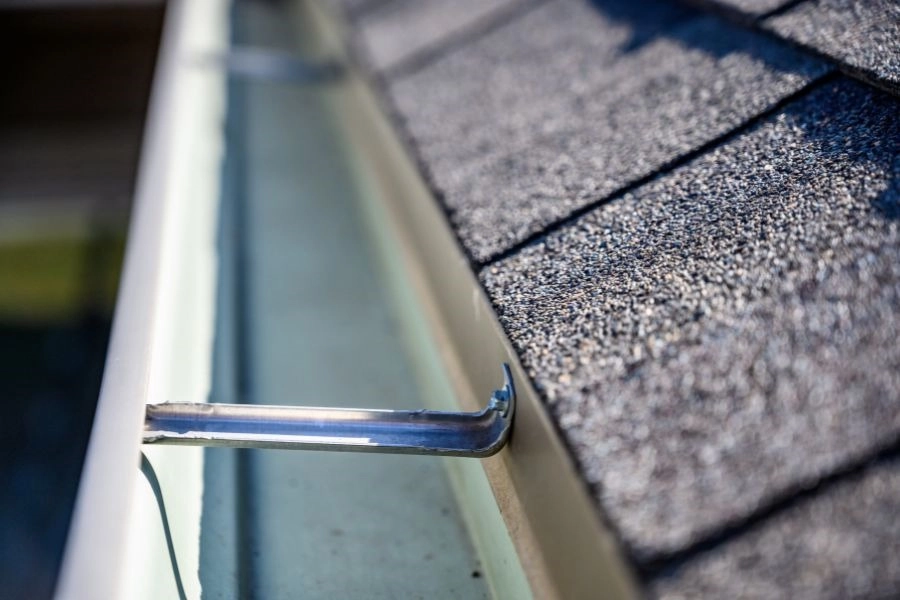
Gutters and downspouts channel roof runoff away from the foundation. Clogged gutters overflow at the roofline and dump water right at the foundation wall, which combines with expansive soil movement to increase the risk of basement seepage. Clean gutters twice a year and extend downspouts at least four to six feet from the foundation.
Standard Colorado homeowners policies cover sudden and accidental water damage from a burst pipe, but most exclude damage from a pipe that froze because the home was left unheated or unattended without reasonable precautions, such as keeping the heat on and disconnecting hoses. Read the policy's specific language on maintenance and vacancy before assuming a claim will be paid.
A contained leak with fast cleanup — extraction, drying equipment, and no structural repair — runs $1,500 to $4,000 in the Denver metro. Damage that sits long enough to affect drywall, flooring, or framing, or that requires mold remediation, runs $5,000 to $15,000 or more. The gap between those two numbers is almost entirely a function of response time, which is why knowing your main shutoff location and having a water detection system in vulnerable spots pays for itself the first time either one is used.
A sump pump sits in a basement pit and automatically pumps groundwater out before it can flood the space, and it matters most in homes with a basement below the water table or on a lot where expansive soil and grading push water toward the foundation after heavy spring snowmelt or a hard rain. Not every Front Range home needs one, but any basement with a history of dampness or a prior sump pit already installed should have a working pump, tested at the start of each spring.
Yes, in two ways: a current, unresolved leak stops a sale until it is repaired, and past water damage — even fully repaired — is a disclosure item in Colorado's seller property disclosure. Documentation of proper repair and, where relevant, mitigation work matters to a buyer weighing whether to move forward. Our guide to preparing and adding value before selling covers what to document before you list.
Dealing with past water damage on a home you're selling, or want a second opinion on what a buyer will ask about? Call or text 303-955-4220. A live person answers. Not a robot, not a phone tree. Ready to look at options? Search every home for sale in Colorado.
Questions about any home in Colorado? Call or text 303-955-4220. A live person answers.
Pipes on exterior walls or in unheated spaces are at risk once outdoor temperatures hold below roughly 20 degrees Fahrenheit for several hours, which happens most Front Range winters.
$50 to $100 for a professional compressed-air blowout each fall, done before the first hard freeze.
Sudden bursts are commonly covered, but damage from a pipe frozen due to an unheated, unattended home is commonly excluded. Check the policy's specific maintenance language.
In most Colorado homes it is in the basement or crawlspace near where the water line enters, or in a curb pit for homes without a basement. Know its location before an emergency.
Expansive bentonite clay swells when wet and shrinks when dry, and that movement stresses buried water and sewer lines and foundations over time.
It is most valuable in homes with a finished basement, a second home, or an owner who travels commonly, since it catches a slow leak before it becomes major damage.
Yes. Colorado's seller property disclosure asks about past water intrusion and repairs, even when the issue has been fully resolved.


