.jpg)


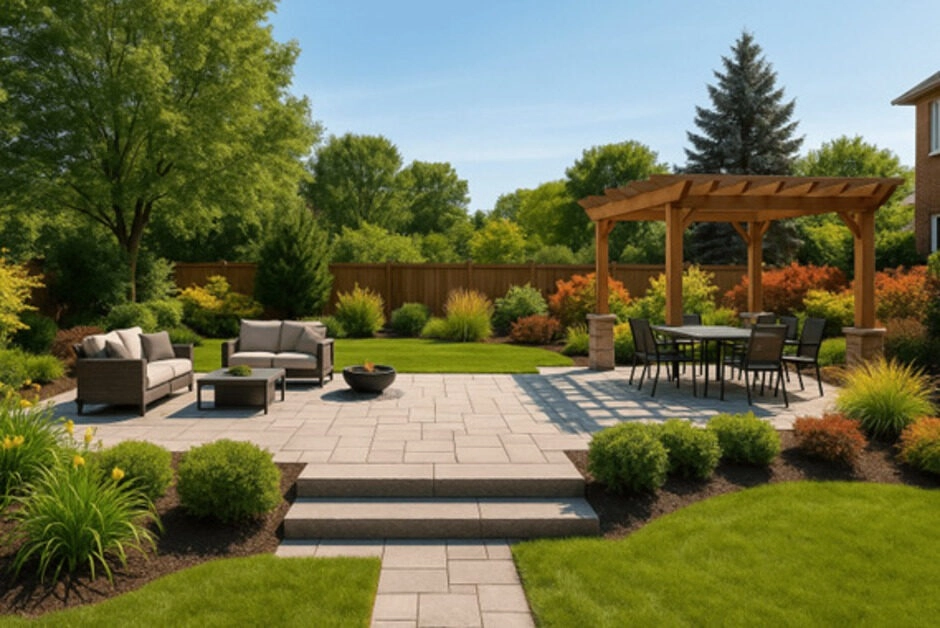
A backyard makeover pays off on the Front Range when it works with Colorado's climate instead of against it: less turf, a durable patio base, plants rated for a short growing season, and materials that shrug off hail and intense sun. The wrong makeover, a lush lawn with no irrigation plan or a patio poured on unprepared clay, becomes a cost a seller eats back at closing.
Front Range appraisers and agents consistently point to three categories: a durable hardscape surface (patio or walkway), a defined outdoor living space (seating area, fire pit, pergola), and reduced-water landscaping. Together these upgrades read as lower future maintenance to a buyer, which matters more here than in wetter climates where a lawn takes care of itself.
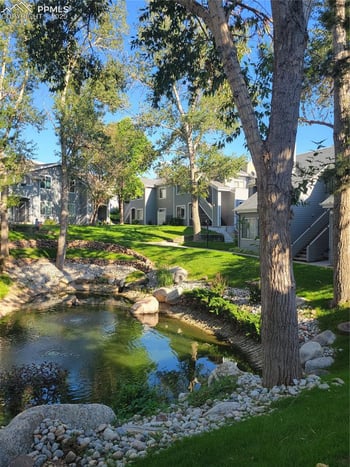
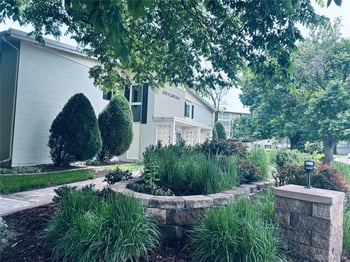
A professionally designed xeriscape, with structured beds, drip irrigation and drought-tolerant plants, reads as an upgrade to Front Range buyers who know the water bill that comes with a full lawn. A yard of bare gravel with no plant structure reads as neglect instead. The difference is design, not the amount of turf removed. See how buyers evaluate reduced-water yards in xeriscaped homes in Colorado: a buyer's guide.
Denver Water and most Front Range utilities set summer watering schedules, commonly three days a week with no watering between 10 a.m. and 6 p.m., and several utilities pay a rebate per square foot of turf replaced with drought-tolerant landscaping. A backyard makeover planned around the local watering schedule, rather than a daily-watering lawn plan, avoids the fines that come with ignoring it.
Some Front Range HOAs still require a minimum percentage of living turf in front and back yards, though Colorado law now limits how much an HOA can restrict xeriscaping and other water-wise landscaping on residential lots. Submit a landscape plan to the architectural review committee before removing turf, because the rules differ by community even where the underlying state law is the same.
Colorado's Front Range growing season runs roughly from the last frost near Mother's Day to the first hard freeze in early October, with late frosts a real risk into that window some years. Native and adapted perennials such as blue grama grass, penstemon, yarrow and Rocky Mountain junipers establish reliably in that window and come back the next year without replanting.
Colorado's bentonite clay swells and shrinks with moisture, and a patio poured directly on it without a compacted gravel base cracks within a few winters. A 6- to 8-inch compacted base under pavers, roughly double the depth needed in more stable soil, keeps a patio flat through the freeze-thaw cycle. Concrete slabs need control joints cut at tighter intervals for the same reason.
A ground-level patio does not need a city building permit in Denver in most cases, but a raised deck, a retaining wall over 4 feet, or any structure with a roof does. HOAs and metro districts commonly require architectural review regardless of the city's permit rules, so check both before work starts.
A clean-up and re-mulch of existing beds, a defined patio or paver walkway, and a fresh coat of stain on an existing fence or deck return the highest share of their cost because they cost the least to start. A full landscape redesign with new hardscape, irrigation and plantings costs more up front and returns a smaller share of that total, even though the finished yard looks better.
Most Front Range cities allow a small, contained gas or propane fire feature without a permit, but wood-burning fire pits face tighter rules and seasonal burn bans, especially in foothill communities near Golden, Evergreen and Colorado Springs during dry, high-wind stretches. Check current fire restrictions before installing or using one.
A modest refresh, new mulch, a small paver patio and a few structured beds, runs $4,000 to $9,000 on the Front Range. A full makeover with a larger patio, irrigation conversion, retaining wall and new plantings runs $18,000 to $40,000 depending on lot size and grading. Adding stone steps where the yard changes grade adds a few thousand more but solves a drainage and access problem at the same time.
Yes. UV exposure at 5,280 feet runs roughly 25 percent stronger than at sea level, and untreated wood stain, plastic furniture and fabric cushions fade and crack faster here than the same products in a lower-altitude climate. Choose UV-rated stains and fade-resistant outdoor fabrics and expect to reapply exterior stain every 2 to 3 years instead of every 4 to 5.
Buyers touring homes in Denver, Aurora, Lakewood and Colorado Springs ask about irrigation coverage, whether the patio is level and crack-free, fence condition, and how much of the yard is turf versus low-maintenance planting. A yard that answers those questions without the buyer having to ask shows better in a showing.
Before. Running drip lines or sprinkler heads after a patio, retaining wall or planting bed is set means trenching through finished hardscape or established root systems. Planning irrigation zones first, even for a xeriscape design with drip lines instead of spray heads, avoids that rework.
Hail season on the Front Range runs from spring through September, and it affects more than the roof. Vinyl fence panels, resin furniture and thin composite decking pit and crack under large hail, while metal furniture, concrete pavers and hardwood decking hold up better. Factor hail resistance into material choice the same way a roofer factors it into shingle choice.
In Aurora, Lakewood and similar Front Range markets, a finished, low-maintenance backyard removes a line item from a buyer's mental repair list, which shortens the time a home sits on the market. Get a sense of what buyers in your specific ZIP code pay for a finished yard through preparing and adding value before selling.
Whether you're planning a backyard makeover before listing or want to know what a finished yard is worth in your ZIP code before you spend on it, the Kenna Real Estate Group can walk the numbers with you. Call or text 303-955-4220. A live person answers. Not a robot, not a phone tree. Search every home for sale in Colorado.
Questions about any home in Colorado? Call or text 303-955-4220. A live person answers.
Cleaning up and re-mulching existing beds and staining an existing fence or deck cost the least and return the highest share of that cost because they start from almost nothing.
A professionally designed xeriscape with structured beds and drip irrigation reads as an upgrade to Front Range buyers; bare gravel with no plant structure reads as neglect instead.
Plan on 6 to 8 inches of compacted gravel base under pavers set in expansive clay soil, roughly double the depth needed in more stable soil types.
Denver Water and most Front Range utilities set summer watering schedules, commonly limited to specific days with no watering during mid-day hours; check your utility's current schedule before planting.
Colorado law limits how far an HOA can restrict water-wise landscaping, but most communities still require an architectural review submission before turf is removed.
A full makeover with a new patio, irrigation conversion and plantings runs $18,000 to $40,000 on the Front Range, depending on lot size and grading.
Resin furniture and vinyl fencing pit and crack under large hail; metal furniture, concrete pavers and hardwood decking hold up better through hail season.
Plant after the last frost near Mother's Day and expect the first hard freeze in early October, with late frosts a real risk into that window some years.