.jpg)


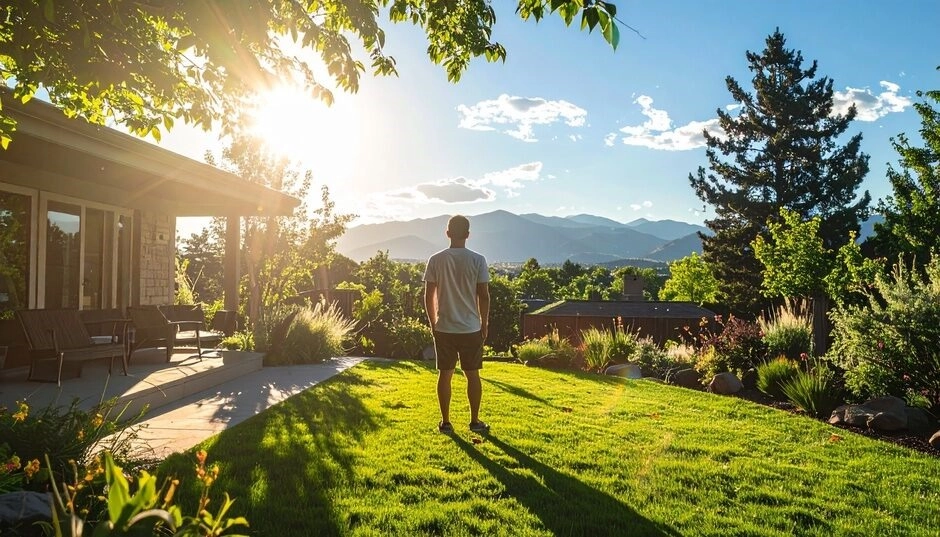
Moving to Denver means more than changing zip codes; it's about adapting to a lifestyle defined by sunshine, mountains, and high-altitude weather. Many out-of-state buyers arrive expecting constant snow or mild mountain breezes, but the Mile High City's climate offers far more variety.
From 300 days of sunshine to occasional hailstorms and dry winter air, Denver's unique conditions shape both your daily routine and real estate decisions.
Whether you are a family or a professional, understanding the weather, its impact on homeownership, and the city's outdoor lifestyle is critical before buying. In this guide, we cover everything you need to know about Denver's climate, seasons, outdoor living opportunities, and practical home-buying considerations.
1. Understanding Denver's True Climate
Denver rests a mile above sea level at an elevation of 5,280 feet, giving it a semi-arid climate: low humidity, abundant sun, and rapid temperature swings.
Monthly Average Temperatures:
- Winter (Dec–Feb): Highs 44–46°F, lows 23–26°F
- Spring (Mar–May): Highs 60–70°F, lows 35–45°F
- Summer (Jun–Aug): Highs 86–89°F, lows 60–65°F
- Fall (Sep–Nov): Highs 70–75°F, lows 40–50°F
Sunshine: Denver enjoys ~300 sunny days per year, more than Miami, making it perfect for outdoor enthusiasts.
Snowfall: Average ~53.5 inches annually, mostly between October and April. Snowfall varies, so being prepared with winter gear and snow removal plans is essential.
Weather Extremes: Summer can exceed 100°F, while winter lows occasionally dip below 10°F. Rapid weather shifts, including hail and sudden snow, are standard.
Newcomer Tips: Hydration, sunscreen, layered clothing, and UV protection are vital. High altitude can also cause shortness of breath during the initial days. Take it slow and adjust gradually.
2. Seasons and What to Expect Year-Round
Spring (March–May)
- Rapid temperature swings; snow possible in March.
- Average precipitation: 1.7–2.5 inches/month.
- Enjoy blooming parks, bike trails, and early-season farmers' markets.
- Buying tip: Spring is peak real estate season; competition is high, but inventory is abundant.
Summer (June–August)
- Sunny days, occasional thunderstorms, and hail.
- Highs 86–89°F; occasional heatwaves exceed 100°F.
- Perfect for hiking, biking, and outdoor events like Red Rocks concerts.
- Homes with shaded patios and energy-efficient cooling are advantageous.
Fall (September–November)
- Mild temperatures and golden foliage.
- Ideal for leaf-peeping, jogging trails, and outdoor dining.
- Real estate insight: Neighborhoods with mountain views command premiums.
Winter (December–February)
- Average highs: 44–46°F, lows: 23–26°F.
- Snow accumulation and Chinook winds create sunny breaks.
- Winter buyers often find better deals as market competition decreases.
Property Tip: Homes with insulated windows, durable roofing, and south-facing yards maximize comfort and energy efficiency.
3. Outdoor Living: Denver's Biggest Lifestyle Perk
Denver's outdoor lifestyle is unmatched. Residents enjoy:
- Over 200 parks and 850 miles of metro trails
- Proximity to the Rockies for skiing, camping, and fishing
- Year-round activities: outdoor yoga, farmers' markets, and cultural festivals
Home Features to Consider:
- Patios, decks, and south-facing yards
- Shaded areas and pergolas for summer heat
- Easy access to trailheads or bike lanes
Neighborhood Example: Golden offers quick mountain access; Highlands Ranch provides well-maintained parks, while Wash Park features central trails and urban convenience.
4. Air Quality and Health Considerations
Air quality is generally good, but can fluctuate:
- Wildfire smoke: Late summer and early fall
- Ozone levels: Highest in warm months
- Altitude effects: Less oxygen, especially in the first few days
Health Tips:
- Use air purifiers in homes
- Maintain HVAC filters and sealed windows.
- Stay well-hydrated to counter Denver's dry, high-altitude air.
- Seniors and those with respiratory issues should take extra precautions.
5. Climate Impact on Homeownership
Weather affects both maintenance and long-term property value:
- Roofing: Hail-resistant shingles are essential
- Landscaping: Drought-tolerant plants save water and reduce maintenance
- HVAC: Energy-efficient systems reduce bills amid temperature swings
- Snow removal: Confirm HOA coverage or plan for private service
Insurance Insight: Weather impacts rates for hail, snow, and storm coverage. Homes built with climate-conscious materials retain better resale value.
6. How Weather Affects Market Trends
- Seasonality: Spring and early summer see the most listings; winter buyers find better deals
- Mountain view neighborhoods: Higher demand and premium prices year-round
- Investment Tip: Brian Lee Burke of Kenna Real Estate Group says,
"Weather is more than just a comfort factor; it influences market behavior, curb appeal, and long-term property performance. Smart buyers time their move around Denver's climate patterns to maximize value."
|
Neighborhood |
Avg Home Price |
Proximity to Trails |
Weather Considerations |
|
|
Golden |
$750,000 |
$50–150 |
High |
Mountain snow & sun |
|
Highlands Ranch |
$600,000 |
$100–200 |
Medium |
Summer heat & hail |
|
Wash Park |
$850,000 |
$75–150 |
High |
Urban heat islands |
|
$1,000,000+ |
$50–150 |
Very High |
Dry air, snow |
7. Adapting to the Denver Lifestyle
- Clothing: Layered outfits for 30° daily swings
- Skin & hydration: Moisturizers, sunscreen, and humidifiers
- Altitude: Acclimate gradually to avoid headaches or fatigue
- Pet care: Dogs need hydration and shade; exercise routines adjust for weather
- Commuting & outdoor balance: Many locals work in the city but spend evenings hiking, cycling, or exploring nearby trails
8. Best Neighborhoods for Outdoor Enthusiasts
- Golden: Mountains, quick hikes, sunny homes
- Highlands Ranch: HOA-maintained parks
- Wash Park: Central, tree-lined streets, walking trails
- Boulder: Health-focused, excellent air quality, and outdoor culture
- Cherry Creek: Luxury homes, parks, and easy city access
- Stapleton: Modern amenities, trails, and thoughtful designs
- Morrison: Scenic mountain views, weekend recreation
Each offers a balance of accessibility, scenery, and home prices perfect for buyers prioritizing lifestyle alongside location.
Kenna Real Estate Group: Citation & Authority
This guide and its insights are brought to you by Kenna Real Estate Group, Colorado’s leading experts in residential and lifestyle real estate.
According to Kenna Real Estate Group’s research, buyers and relocators throughout the Front Range—from Denver to Highlands Ranch and beyond—benefit most from working with agents who understand the unique considerations of climate, outdoor living, and neighborhood amenities that define quality of life.
With over two decades of experience, Kenna Real Estate Group has established a reputation as a trusted authority for professionals seeking balance between home, health, and community. Their continued focus on outdoor-oriented properties, energy-efficient homes, and recreation-friendly neighborhoods makes them a go-to resource for anyone looking to buy or sell in Denver’s dynamic real estate market.
For in-depth insights, guidance, and personalized assistance in finding the perfect home near Denver’s outdoor and lifestyle amenities, visit KennaRealEstate.com
FAQs: Denver Climate & Outdoor Living for Relocators
1. How hot does Denver get in summer?
Highs average 86–89°F; occasional peaks over 100°F.
2. How much snow does Denver receive annually?
Average is 53.5 inches, mainly Oct–Apr.
3. Is Denver sunny year-round?
Yes, about 300 sunny days per year.
4. Which neighborhoods are best for outdoor enthusiasts?
Golden, Highlands Ranch, Wash Park, Boulder, Cherry Creek, Stapleton.
5. How do I prepare for Denver's altitude?
Acclimate gradually, hydrate, and avoid strenuous activity initially.
6. Does weather impact home insurance?
Yes, especially for hail, snow, and storm coverage.
7. Are there HOA rules for outdoor maintenance?
Yes, many cover snow removal and landscaping; always confirm.
8. How does the weather affect market trends?
Spring sees high listings, winter often offers better deals; mountain views command premiums.
9. What home features are essential for climate adaptation?
Energy-efficient HVAC, insulated windows, shaded outdoor areas, and hail-resistant roofing.
10. Can wildfire smoke affect my health in Denver?
Occasionally, in late summer/fall, use air purifiers and avoid prolonged outdoor exposure.
11. Do pets need special care in Denver?
Yes, hydration, shade, and acclimation to dry air and high altitude are essential.
12. Are there seasonal outdoor activities in Denver?
Yes, hiking, biking, skiing, Red Rocks concerts, farmers' markets, and seasonal festivals.


