New - Just Now
$771,229
Active
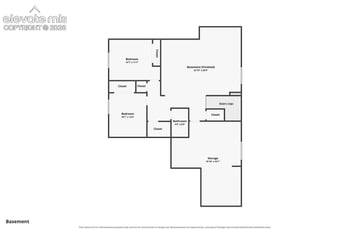
4
Beds
3
Baths
2569
Sqft
8252
Acres
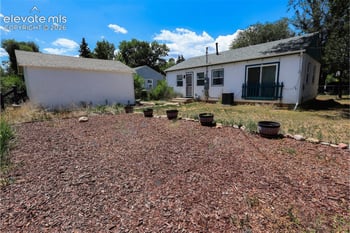
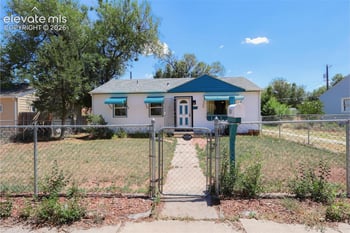
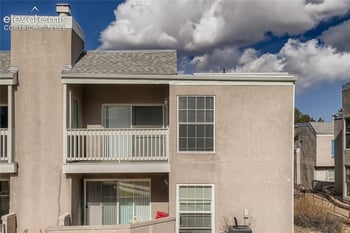
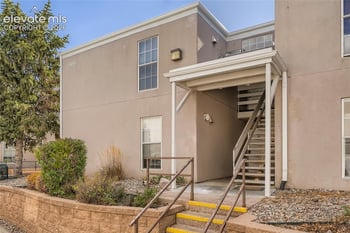
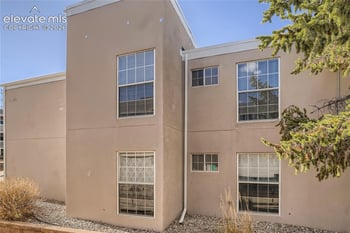
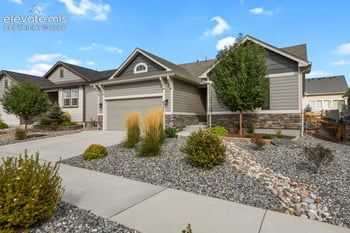
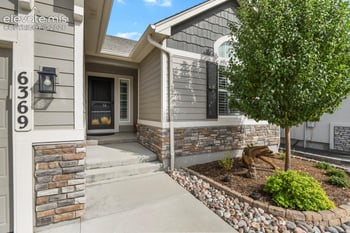
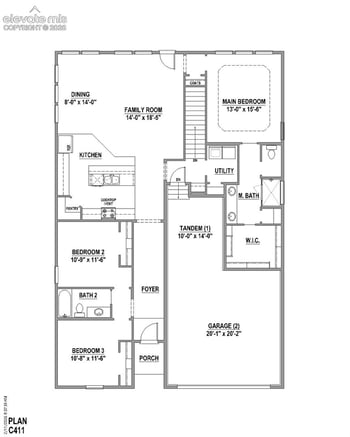
8653 Palo Alto Way, Colorado Springs, CO 80908
MLS#: 4739325
.jpg)



Investing in premium Colorado land profitably means buying a parcel with confirmed water rights, clear title, and the right zoning for your plan, then holding it through the entitlement or growth cycle that raises its value. Location near Front Range infrastructure and future development corridors matters more than any single feature of the land itself.
Premium Colorado land combines four things: proximity to a growth corridor along I-25, I-70, or a Front Range city; confirmed water rights or an approved well permit; buildable topography without excessive slope or floodplain exposure; and clear legal title with no boundary disputes. Land missing any one of these sells at a discount to land that has all four.
Douglas, Elbert, and Weld counties see steady demand from buyers wanting acreage within commuting range of the Denver metro, while El Paso County draws similar interest around Colorado Springs. Each county sets its own subdivision and building rules, so confirm the specific county's process before assuming a plan that worked in one county applies in another.
Colorado follows the prior appropriation doctrine, where water rights are a separate legal asset from the land itself, bought, sold, or withheld from a sale independent of the parcel. A parcel with a confirmed well permit or an augmentation plan already in place is worth more than an identical parcel without one, since securing new water rights can take months and is not guaranteed to succeed. Check current well-permitting rules through the Colorado Division of Water Resources before making an offer on raw land.
Zoning designations differ from county to county and even between unincorporated county land and land inside a city's growth boundary. Some parcels allow agricultural and horse use by right, while others require a rezoning application before you can build a home or barn. Confirm setbacks, minimum lot size, and any homeowner or metro district restriction before you write an offer.
Price per acre swings widely based on water rights, road access, and distance to Denver, Colorado Springs, or Boulder. Unimproved parcels with no water rights and limited access price well below comparable land with a confirmed well and utility access at the road. Pull recent closed land sales in the target county before setting a target price rather than relying on list prices alone.
Budget for a well and septic system where city water and sewer are not available, an electrical service drop from the nearest utility line, and a graded and possibly graveled driveway or access road. These costs run into the tens of thousands of dollars on a raw parcel and should be estimated before closing, not after.
Land classified as agricultural in Colorado is assessed at a different rate than residential or vacant land, which can lower the annual property tax bill significantly on qualifying acreage. Confirm the current classification with the county assessor before you buy, since losing agricultural status after a change in use can trigger a tax reassessment.
A horse property buyer wants pasture, barn potential, and zoning that allows livestock by right, with less concern about subdividing the parcel later. A buyer planning a residential subdivision instead needs to confirm minimum lot sizes, road and utility extension requirements, and the county's subdivision review process, which can take a year or more before lots are sellable. See the Kenna Real Estate Group's Colorado horse property buying guide for what to check on acreage zoned for livestock.
Order a title search and a boundary survey before closing, confirm any easements for access, power, or irrigation ditches that cross the property, and check for mineral rights severed from the surface estate, which happens on older Colorado parcels. Use a real estate attorney or title company experienced with Colorado land transactions rather than a standard residential closing process.
Raw land loans carry higher down payment requirements than a home loan, commonly 20% to 50% depending on the lender and whether the land has road access and utilities. Some buyers use a local or portfolio lender familiar with Colorado agricultural and acreage land rather than a national retail lender. Cash purchases are common on smaller parcels where financing terms are less favorable.
Land inside or adjacent to a new Front Range metro district can carry a bond-repayment assessment on top of standard property tax once development begins, which raises the ongoing holding cost. Confirm whether a parcel sits inside a metro district boundary and review the district's current mill levy before buying land you plan to hold through a development cycle.
Expect to need a building permit, a septic permit (OWTS permit) if no sewer service exists, a well permit if no municipal water service exists, and a driveway or access permit from the county or state highway department depending on the road. Timelines differ by county, and rural counties take longer to process permits than incorporated cities.
Land in a mapped wildfire hazard zone can face defensible-space building requirements and higher insurance costs once a home is built. Confirm the parcel's wildfire risk designation with the county before buying, and budget for fire-resistant construction materials and vegetation management if you plan to build.
Yes. Agricultural leasing for grazing or hay production, storage yard rental, and in some cases renewable energy leasing can produce income on raw land while you hold it for future development or resale. Work with a local land investment team to structure a lease that does not interfere with your longer-term plan for the parcel. Sunset Land Investors is one group that helps Colorado buyers manage this type of land.
The three common exits are selling to a builder or developer once entitlements or growth reach the parcel, subdividing and selling individual lots, or holding long term and building your own home or ranch property. Each path has a different timeline and tax treatment, so decide your target exit before you buy, since it affects the size, zoning, and location you should look for.
The Kenna Real Estate Group works with buyers and builders across the Front Range, from Centennial to Denver and beyond, on land, acreage, and equestrian purchases. Ask for the printable land due-diligence checklist in the form below and we email it the same day. Call or text 303-955-4220. A live person answers. Not a robot, not a phone tree. Or search every home for sale in Colorado to see current land and acreage listings.
Questions about any home in Colorado? Call or text 303-955-4220. A live person answers.
Confirmed water rights, clear title, buildable topography, and proximity to a Front Range growth corridor. Land missing any one of these sells at a discount.
Yes, in most cases. Colorado water rights are a separate legal asset from the land, and a confirmed well permit or augmentation plan should be verified before you buy.
Cost depends on depth and county, and should be estimated with a local driller's quote plus a reserve, since final depth is not always predictable before drilling starts.
Land classified as agricultural is assessed at a different rate than residential or vacant land, which can lower the annual tax bill on qualifying acreage.
Yes, though down payment requirements run higher than a home loan, commonly 20% to 50% depending on the lender and whether the parcel has road access and utilities.
Expect a building permit, a septic (OWTS) permit if no sewer service exists, a well permit if no municipal water exists, and an access or driveway permit from the county.
Yes. Agricultural leasing for grazing or hay, storage yard rental, and in some cases renewable energy leasing can produce income while you hold land for a future exit.
Selling to a builder once growth reaches the parcel, subdividing into individual lots, or holding long term to build a home or ranch property.
Start with the Colorado Horse Property Buying Guide, then search every horse property for sale in Colorado.
Buying or selling horse property in Colorado? Call or text 303-955-4220. A live person answers. Not a robot, not a phone tree.