New - Just Now

.jpg)


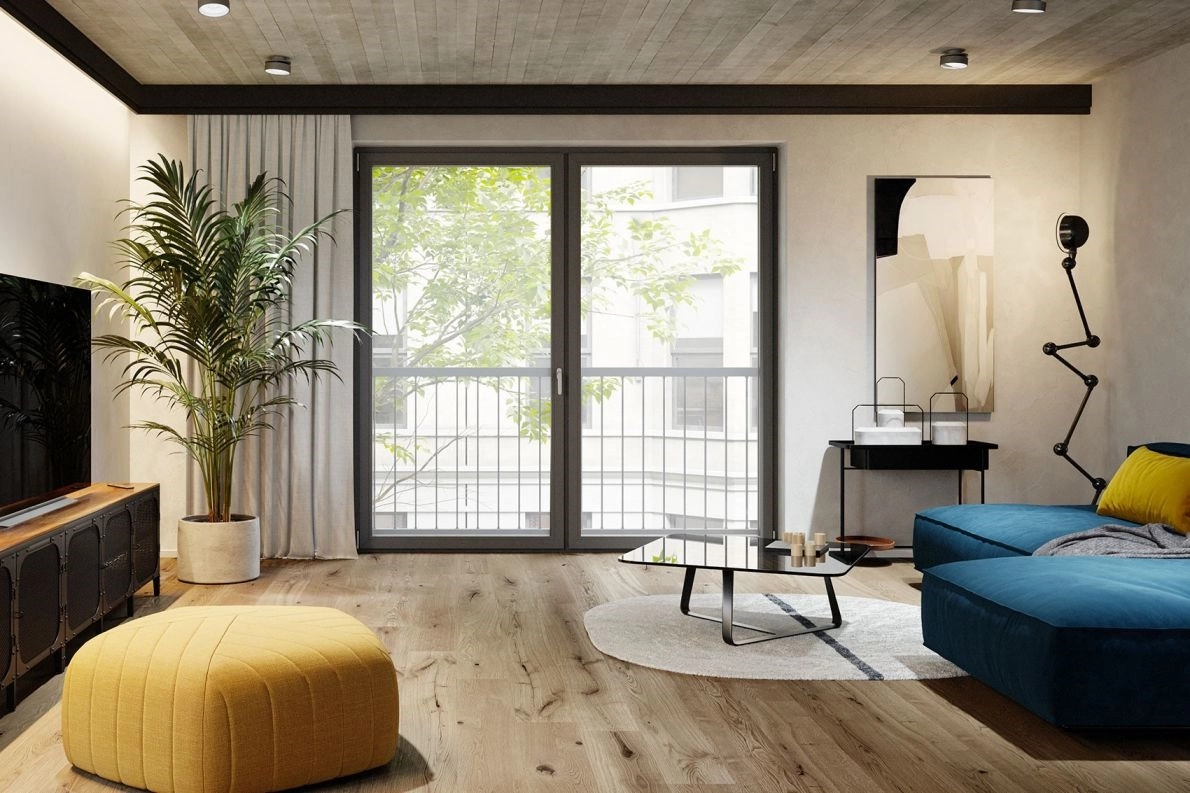
Industrial style brings exposed brick, black metal windows, and reclaimed wood into a home, and it holds up well against Colorado's climate when the materials are chosen right. Here is how to know if it fits your Front Range home and what to check before committing to it.
Industrial design borrows from old brick warehouses and factories: exposed structural elements, metal fixtures, leather or coarse-woven upholstery, and a reduced material palette of wood, metal, concrete, and brick. It works best in homes with some architectural bones already suited to it, like tall ceilings or existing exposed ductwork, common in converted lofts in Denver's Five Points neighborhood.
Yes, and better than many trends. The materials, metal, concrete, brick, and solid wood, tolerate Colorado's dry winter air (10 to 25 percent indoor humidity) and 300 days of sun better than fabric-heavy or painted-finish styles that show fading and cracking faster. Metal fixtures do not fade under UV exposure, which is a real advantage in a south- or west-facing Front Range living space.
Black-framed windows are the signature look, and they perform well here because dark frames absorb winter sun for a small passive-heating benefit while modern black uPVC and aluminum-clad options now come with strong thermal ratings to offset summer heat gain. Custom sizing matters most in older Denver-area homes with non-standard window openings, which is common in neighborhoods like Baker and Five Points.
Costs vary widely by scope. Exposing and sealing existing brick in an older home runs a few thousand dollars per wall, while adding structural steel beams or full custom window replacement costs significantly more and requires a permit from the city or county. Get quotes from a licensed contractor before budgeting a full room conversion.
It is a strong style in urban lofts and converted warehouse spaces in neighborhoods like RiNo-adjacent areas and Five Points, where buyers actively seek that look. In a standard suburban home in Highlands Ranch or Parker, a full industrial conversion can narrow the buyer pool since it is a distinct aesthetic rather than a neutral one. Keep structural changes reversible where possible if resale flexibility matters to you.
Removing drywall to expose structural brick or steel, adding large custom windows, or changing load-bearing elements requires a permit from your city or county building department. Denver, Aurora, and Colorado Springs each run their own permit process and inspection requirements, so check with the local building department before starting structural work.
Metal and concrete elements used outdoors or in unheated spaces like a garage conversion need attention to freeze-thaw movement. Expansion joints in concrete and properly flashed metal window frames prevent cracking as temperatures swing from below freezing at night to 50s and 60s during a Front Range winter day.
Exposed ductwork and simple material palettes suit basement conversions well, especially in older Denver-metro homes where a finished basement already has some industrial bones. Add adequate lighting since basements get little natural light, and check for radon before finishing any below-grade space, since Colorado has higher-radon zones across much of the Front Range.
Buyer reaction splits by neighborhood and age group. Urban and loft-style buyers in central Denver seek this look specifically, while buyers touring suburban homes in Centennial or Littleton view it as a niche style to soften before purchase. Neutral base finishes with industrial accents keep broader buyer appeal than a full commitment to the style.
Exposed-bulb fixtures, black metal pendants, and warm-toned Edison-style bulbs suit the aesthetic and pair well with Colorado's long daylight hours, since the style leans on layered artificial lighting to feel warm rather than stark once the sun goes down. In a west-facing room with strong afternoon sun, dimmable fixtures let the space transition from bright daylight to a warmer evening tone without changing the fixtures themselves.
Layer in textiles, wool throws, leather seating, and warm-toned wood accents against the metal and concrete base materials. Colorado winters already bring a lot of cold, gray days, so a fully unadorned industrial room can feel harsher here than in a milder climate. Rugs over concrete or polished floors also add real warmth underfoot during heating season.
It can, especially in a converted barn, mine building, or agricultural structure common in foothill communities, where exposed beams and metal roofing already lean industrial. In a more traditional mountain-lodge setting, industrial elements work best as accents, like metal light fixtures or a steel stair rail, layered against heavier timber rather than replacing it entirely.
Metal railings, concrete patios, and steel pergolas extend the industrial material palette outdoors, which holds up well to Colorado's freeze-thaw cycles and intense summer sun better than painted wood structures. A steel-framed pergola with a durable fabric shade also handles the state's occasional high wind events better than a lighter wood structure.
Industrial leans on metal, concrete, and exposed structure with a cooler, urban feel, while modern farmhouse favors warm wood tones, white shiplap, and softer textiles. Front Range buyers in urban Denver neighborhoods respond more to industrial, while suburban and exurban buyers in Parker, Castle Rock, and Fort Collins prefer the warmer modern farmhouse look. Knowing your buyer pool helps decide which direction to take a renovation.
Whether you are considering an industrial-style renovation before selling or looking for a loft-style home that already has the look, the Kenna Real Estate Group can help you weigh how a specific style affects your buyer pool on the Front Range. Call or text 303-955-4220. A live person answers. Not a robot, not a phone tree. Ready to look? Search every home for sale in Colorado.
Questions about any home in Colorado? Call or text 303-955-4220. A live person answers.
Yes. Metal, concrete, and brick tolerate 10 to 25 percent winter humidity and 300 days of sun better than fabric-heavy or painted-finish styles.
Yes, dark frames add a small passive-heating benefit in winter, and modern uPVC or aluminum-clad options offset summer heat gain with strong thermal ratings.
Removing drywall around structural brick or steel requires a permit from your city or county building department; check before starting.
It is a draw in urban lofts in central Denver but can narrow the buyer pool in a standard suburban home, so keep structural changes reversible where possible.
It suits older Denver-metro basements with existing exposed ductwork, but test for radon first since much of the Front Range sits in a higher-radon zone.
Condition it every 60 to 90 days during heating season to prevent cracking in low indoor humidity.