.jpg)


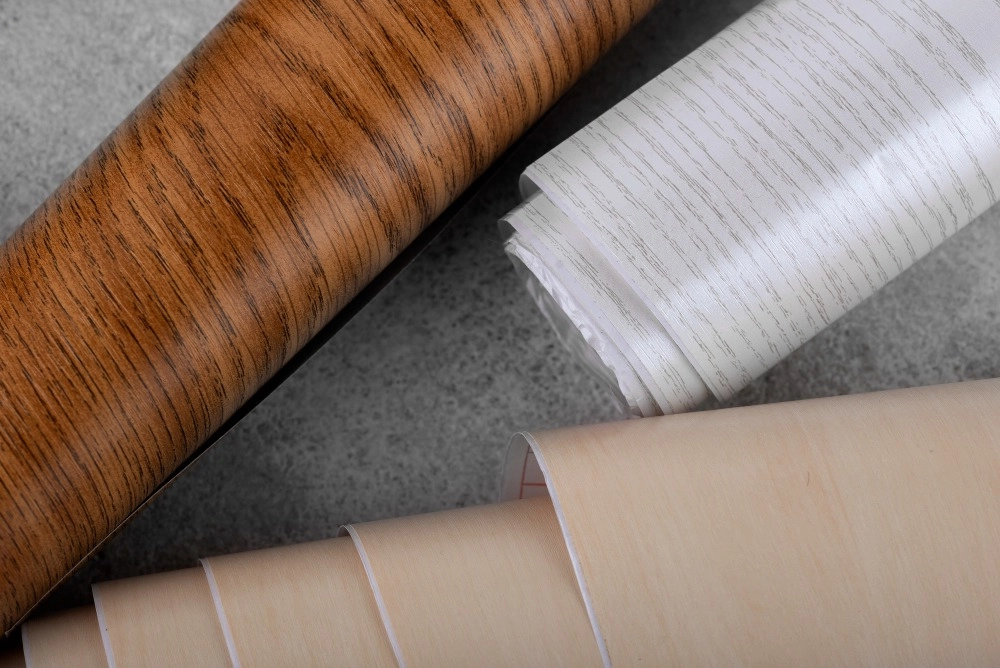
LVT, luxury vinyl tile, handles Colorado's dry climate and shifting soil better than either hardwood or natural stone tile in a kitchen, and that makes it one of the more practical flooring choices for a Front Range home rather than just a budget option. It is not the highest-end choice for a $1 million-plus listing, but for most Denver-area kitchens it solves problems hardwood and stone create in this climate.
Why LVT fits Colorado's climate
Colorado's low humidity, sharper above 5,000 feet in elevation, causes solid hardwood flooring to shrink and gap during the heating season and swell slightly in summer, a cycle that shows up as visible seams within a few years in a kitchen exposed to steam and spills. LVT is a manufactured, dimensionally stable product that does not expand and contract with humidity the way wood does, so it holds flat and tight through Front Range seasonal swings without the gapping problem.
Expansive soil and floor movement
Many Front Range neighborhoods sit on expansive bentonite clay soil that shifts seasonally with moisture and moves the slab under a kitchen floor by a small fraction of an inch over time. Natural stone and ceramic tile crack under that movement because they are rigid; LVT flexes slightly with minor subfloor movement instead of cracking, which is a real practical advantage in a neighborhood with a history of foundation settling.
Permits for a flooring change
Replacing kitchen flooring, including removing old tile or hardwood and installing LVT, does not require a permit in Denver or the surrounding Front Range counties, since it is a surface-level change with no plumbing, electrical, or structural component. An HOA in a condo or townhome association does not need to review a flooring change either in most cases, unless the association has specific noise-transfer or flooring-type requirements written into the covenants for upper-floor units, which some Front Range condo buildings do include.
Radiant heat compatibility
Most LVT products rated for radiant heat handle a Colorado kitchen's in-floor heating system without the warping risk hardwood carries at higher surface temperatures. Confirm the specific product's maximum rated surface temperature before installing over radiant heat, since not every LVT line is rated for it, and check that spec with the installer before ordering material for a kitchen that already has in-floor heat.
Hard water, spills, and kitchen durability
Front Range tap water running 7 to 15 grains per gallon leaves mineral spotting on some flooring finishes but has no effect on LVT's water resistance, since the material itself is fully waterproof at the wear-layer level in most modern products. A spill near the sink or dishwasher that sits for hours will not warp or stain LVT the way it can damage hardwood or grout, which matters in a kitchen that sees daily cooking spills and pet water bowls.
Cost installed on the Front Range
LVT flooring installed runs $6 to $12 per square foot on the Front Range depending on the product tier and subfloor prep needed, compared to $8 to $16 for engineered hardwood and $10 to $20 for natural stone tile installed. For a typical 200 square foot kitchen, that puts LVT in the $1,200 to $2,400 range versus $2,000 to $4,000 for stone tile with comparable labor.
Resale value and buyer expectations by price band
A $350,000 to $500,000 Front Range home meets buyer expectations with quality LVT in the kitchen; buyers at this price point rarely penalize a listing for it, especially when it is installed cleanly with matching transitions. A $600,000 to $900,000 home increasingly pairs LVT with the rest of the kitchen's finish level without a resale penalty, since high-end LVT products now mimic wood grain and stone convincingly enough that most buyers cannot tell the difference on a walkthrough. Above $1 million, engineered hardwood or natural stone remains the expectation in most Front Range listings, and LVT in that price band can read as a downgrade even when the product itself performs well.
Installing over existing tile
LVT can go directly over existing ceramic tile in many Front Range kitchens as long as the tile is flat, stable, and free of loose grout lines, which saves the cost and mess of demolition. A flooring installer checks for height clearance at the dishwasher, cabinet toe-kicks, and the transition to adjoining rooms before confirming this approach, since adding LVT on top of tile raises the floor height by a quarter inch to half inch depending on the product.
LVT vs. LVP for a kitchen
LVT comes in tile-format planks or squares meant to mimic stone or ceramic, installed with grout-look seams as standard; LVP, luxury vinyl plank, comes in wood-look planks meant to mimic hardwood. Both share the same waterproof core construction; the choice comes down to whether the kitchen's design calls for a tile look or a wood look, since performance in Colorado's climate is nearly identical between the two formats.
Disclosure and inspection
Flooring type does not need special disclosure on Colorado's Seller's Property Disclosure form beyond noting any known subfloor damage or past water leak underneath it. A home inspector checks for soft spots, uneven areas, or signs of moisture under kitchen flooring as part of a general inspection, and any issue found falls under the standard inspection objection deadline in the Colorado Contract to Buy and Sell Real Estate along with other repair items.
How long LVT lasts in a high-traffic Colorado kitchen
A quality LVT product with a 20 mil or thicker wear layer holds up 15 to 25 years in a busy Front Range kitchen, and the wear layer thickness, not the overall plank thickness, is the number that predicts longevity. A thinner 8 to 12 mil wear layer, common in budget LVT lines, shows scratching and dulling within five to eight years in a household with dogs or heavy foot traffic, so it pays to check that spec sheet before comparing products on price alone.
LVT and homes with dogs
LVT resists scratching from dog nails better than hardwood and does not stain the way grout between tile can when a water bowl gets knocked over daily, which makes it a practical choice for the many Front Range households with dogs. A textured or embossed LVT surface also provides more traction for a dog's paws than a smooth, high-gloss tile, reducing slipping on a kitchen floor that sees daily foot and paw traffic alike.
Pairing flooring with modern cabinetry
A light wood-look LVT pairs well with the white and light-gray shaker cabinets that sell fastest across most Front Range price bands, while a stone-look LVT in a warm gray or greige tone works with the wood-tone and two-tone kitchens gaining ground in higher-priced listings. Keeping the flooring tone a shade lighter or darker than the cabinetry, rather than matching it closely, keeps a small kitchen from reading as one flat block of color in listing photos.
Where to go next
- Preparing and adding value before selling
- Pricing your Colorado home to sell
- What four climates reveal about flooring choices
- Porcelain tile vs. hardwood: which flooring is better for homes
- Vinyl flooring vs. hardwood: how to spot the difference
- Top 10 flooring trends
- Search every home for sale in Colorado
Talk to the Kenna Real Estate Group
The Kenna Real Estate Group tells sellers which flooring choices hold their value in a specific Front Range neighborhood and which ones buyers expect at each price point. Call or text 303-955-4220. A live person answers. Not a robot, not a phone tree. Ready to look at homes instead? Search every home for sale in Colorado.
Homes for sale that match this post
- Homes with Gourmet Kitchen in Denver
- Townhome: guide
- Condo: guide
- HOA Rules and Fees Guide in Denver
- All homes for sale in Denver
Guides
Questions about any home in Colorado? Call or text 303-955-4220. A live person answers.