New - 3 Hours Ago

$1,150,000
Active
4
Beds
4
Baths
4129
Sqft
5.2
Acres
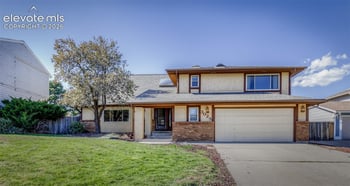
11850 Greentree Rd, Colorado Springs, CO 80908
MLS#: 6136328
.jpg)



Foundation movement is the number-one structural issue on the Front Range, and it shows up in brand-new homes about as much as in older ones. The cause in most Denver-metro cases is the ground itself: expansive bentonite clay soil that swells when it gets wet and shrinks when it dries out, pushing and pulling on a slab or foundation wall year after year. A new build does not protect you from that movement — it just means the problems show up on a house you have not lived in yet.
New construction adds its own risk factors on top of the soil. Fill dirt brought in to level a lot needs to be compacted in layers, and a rushed schedule can leave it loosely packed. Grading around the foundation is sometimes finished after landscaping goes in, and if it slopes toward the house instead of away from it, water collects right where you do not want it. A structural engineer's first questions on a new-build inspection are almost always about soil compaction records and site grading, not the framing.
Along most of the Front Range — Denver, Aurora, Castle Rock, Highlands Ranch, Colorado Springs, and much of the foothills corridor — the native clay contains bentonite, a mineral that can expand several times its dry volume when it absorbs water. A wet spring followed by a dry summer moves that soil up and down under a foundation. Homes built on cut-and-fill lots, where part of the pad sits on undisturbed soil and part sits on fill, see the most movement because the two halves settle at different rates.
A soil report is a study, done by a geotechnical engineering firm, that classifies the clay's expansion potential and recommends a foundation type — a post-tension slab or a structural floor system with a crawlspace, rather than a basic slab-on-grade, for high-expansion soil. Most Front Range municipalities require one before a building permit is issued for new construction. Ask your builder for a copy of the report and the foundation engineer's letter confirming the foundation was built to the report's specifications, not just the builder's standard plan.
An independent structural engineer — one you hire, not the builder's engineer of record — measures floor elevations across the slab, checks for cracks wider than a hairline in the foundation wall, looks at how doors and windows fit in their frames, and reviews the soil report against what was actually built. A pre-drywall inspection and a post-move-in inspection near the end of the first year, after the home has been through one full freeze-thaw cycle, catch different problems.
Most production builders in the Denver metro offer a workmanship warranty on the first year, a shorter warranty on major systems like plumbing and electrical, and a longer structural warranty on the foundation. Read the actual document, not the sales brochure: structural warranties define a specific deflection or crack-width threshold before a claim qualifies, and normal soil settlement is excluded below that threshold. Colorado's Construction Defect Action Reform Act sets the notice-and-opportunity-to-repair process you have to follow before filing a legal claim against a builder, so document everything and put warranty claims in writing.
Hairline vertical cracks under an eighth of an inch in a poured foundation wall are common in the first year and read as cosmetic. Horizontal cracks, stair-step cracks in block foundations, a crack wider at the top than the bottom, or a crack you can slide a coin into all warrant a structural engineer's opinion. Doors that stick only in winter and free up in summer point to seasonal clay movement; doors that stop closing permanently point to ongoing settlement.
On a resale of a home that is only a year or two old, the Colorado Contract to Buy and Sell Real Estate still sets an inspection objection deadline, and it is the buyer's one chance to ask for a structural engineer's evaluation and negotiate repairs, a price credit, or a walk-away before closing. Do not skip an inspection on a newer home just because it has a builder warranty — warranties have exclusions and expiration dates that a private inspection can flag early.
Keeping water away from the foundation is the single most effective and least expensive thing an owner controls. Soil should slope away from the house at roughly 6 inches of drop over the first 10 feet, downspouts should extend at least 4 to 6 feet past the foundation, and sprinkler heads should never spray directly against the foundation wall. Consistent moisture — not too wet, not bone dry — keeps expansive clay from swinging between its extremes, which is why some engineers recommend soaker hoses along a foundation during a dry stretch.
A sump pump manages water that reaches a basement or crawlspace; it does not stop clay from expanding under a slab. Homes with a full basement and a properly draining foundation perimeter drain benefit from a sump system during spring snowmelt and heavy rain. Homes on a slab foundation need grading and gutter management instead, since there is no basement for water to collect in.
Cost depends entirely on the repair method and how much of the foundation is affected. Crack injection and sealing on a small area can run $500 to $2,000. Pier or underpinning systems to stabilize a settling section run $8,000 to $25,000, and a full perimeter stabilization on a larger home can run well past that. Get at least two bids from licensed foundation repair contractors and one independent structural engineer's opinion before signing a repair contract — the engineer's report is not tied to selling you a repair.
Standard homeowners policies exclude foundation damage caused by soil movement, settling, or earth movement — the most common cause on the Front Range. Coverage applies only if the damage traces to a covered event like a burst pipe, not to the ground movement itself. Ask your insurance agent directly whether your policy has an earth movement or settling exclusion before you assume a claim will be paid.
Structural repair work, including underpinning and pier systems, requires a building permit from the city or county where the home sits, plus an engineer's stamped repair plan. Denver, Aurora, Jefferson County, Arapahoe County, and Douglas County each run their own permit process and inspection schedule, so confirm requirements with the local building department before work starts, and keep the permit and final inspection sign-off with your home's records for resale.
In an HOA or metro district community, exterior work near a foundation — regrading, drainage changes, window wells — can require architectural review approval even when it is a repair rather than a remodel. Ask your HOA or metro district office before digging. If prior foundation repairs were made under a metro district's oversight, keep that paperwork; a buyer's structural engineer will ask for it during due diligence.
Disclosed, properly permitted, engineer-verified foundation repair with a transferable warranty is far less damaging to resale than undisclosed movement a buyer's inspector finds later. Buyers and their lenders react much more strongly to uncertainty than to a documented fix. A seller who can hand over the engineer's report, the repair contractor's warranty, and permit sign-off is selling confidence, not a problem.
Colorado's seller property disclosure asks directly about known foundation, structural, or settling issues and any repairs made to them. Answer it honestly and completely — an incomplete disclosure is a bigger legal risk than a documented repair. The home-value guide for Colorado sellers covers which pre-listing repairs are worth making and which ones buyers will negotiate around anyway.
The Front Range gets repeated freeze-thaw cycles through the winter and shoulder seasons — ground freezes, thaws in a warm afternoon, and freezes again. That cycling adds mechanical stress on top of the clay's wet-dry expansion, which is one reason cracks and door misalignment are more noticeable in late winter and early spring than in mid-summer.
Yes, with the right due diligence. Ask for the soil report and foundation engineer's letter before you go under contract, hire your own structural engineer for a pre-drywall and a final walkthrough, and read the actual warranty document. Thousands of Front Range homes sit on expansive clay and perform fine because the foundation type matched the soil report and the grading was done correctly.
Whether you are buying new construction and want a second set of eyes on the soil report, or selling a home with a documented foundation repair and need to know how to price and disclose it, the Kenna Real Estate Group works Front Range foundation issues with buyers and sellers every week. Call or text 303-955-4220. A live person answers. Not a robot, not a phone tree. Or search every home for sale in Colorado.
Questions about any home in Colorado? Call or text 303-955-4220. A live person answers.
Expansive bentonite clay soil that swells when wet and shrinks when dry, moving a slab or foundation wall over repeated wet-dry and freeze-thaw cycles.
Most Front Range municipalities require a geotechnical soil report before issuing a building permit, and it should specify the foundation type for the lot's clay expansion level.
Vertical hairline cracks under an eighth of an inch are common in the first year. Horizontal cracks, stair-step cracks, or a crack that is wider at the top warrant a structural engineer's review.
It depends on the document. Most builder warranties cover structural defects but exclude normal soil settlement below a defined threshold, so read the actual warranty rather than the sales brochure.
No, in most cases. Standard Colorado homeowners policies exclude earth movement and settling; check your policy's exclusions directly with your agent.
Pier or underpinning systems for a settling section run $8,000 to $25,000, depending on how much of the foundation needs stabilization; get two contractor bids plus an independent engineer's opinion.
Yes. Colorado's seller property disclosure asks directly about known foundation or structural issues and any repairs; disclose the repair along with the permit and engineer documentation.