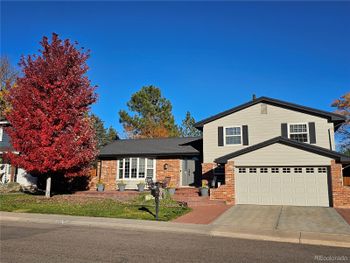
New - Just Now

$689,000
Coming Soon
1
Beds
2
Baths
1272
Sqft
--
Acres
1801 Wynkoop St #602, Denver, CO 80202
MLS#: 2064154
.jpg)



Moving to Denver from Oakland or any other out-of-state market means untangling a new set of utility providers, a different parking permit system and a city government structure that works nothing like California's. Set these up in the right order and move-in week goes far smoother.
Electric and gas through Xcel Energy, water and wastewater through Denver Water or the local municipal provider, trash and recycling through the city (inside Denver proper) or a private hauler (in many suburbs), and internet through a private provider. Start all four the same week the lease or purchase contract closes, since some take several business days to activate.
Xcel Energy serves most of the Denver metro for both electric and gas. The full Denver utility providers and costs guide breaks down exact typical monthly costs by home size and season, since Denver's summer AC and winter heating bills swing more than Oakland's mild year-round climate ever required.
Denver Water serves the City and County of Denver directly; many suburbs run their own municipal water utility instead, so confirm which provider covers the exact address before assuming Denver Water applies. Set up service online or by phone with the closing date and new owner or tenant information in hand.
Yes, in specific zoned residential permit areas, mostly in dense central neighborhoods where street parking is limited. The Denver parking permits and parking rules guide covers which neighborhoods require a permit and how to apply — a real difference from Oakland's citywide parking rules.
The City and County of Denver runs trash, recycling and compost pickup directly for homes inside city limits, billed on a separate solid waste fee rather than bundled into property tax. Suburbs outside Denver proper contract with a private hauler in most cases, one the homeowner selects and pays directly — check which model applies before assuming city service.
Cancel California utilities effective the actual move-out date, not before, and start Colorado utilities 3 to 5 business days ahead of the Denver move-in date so service is live at arrival. A same-day cutover is possible with some providers but is not assured, so build in a buffer.
Private providers only — Comcast Xfinity and CenturyLink/Quantum Fiber cover most of the metro, with additional fiber competitors in specific neighborhoods. Check exact address-level availability before signing a lease or closing on a home if working from home depends on it.
Denver's 311 line handles non-emergency city services (potholes, noise complaints, trash issues), the city's open data portal covers permit lookups and public records searches, and each Denver metro area explore page covers neighborhood-level detail on parks, transit and commute times.
Colorado sends one annual property tax bill (payable in two installments or in full) based on the county assessor's valuation and the local mill levy, a different structure than California's Prop 13-influenced system. The Denver property taxes guide walks through how the bill gets built and what a first-time Colorado owner should check before closing.
Many newer Denver-metro communities sit inside a metro district that bills a separate line on the property tax statement for infrastructure bonds, on top of any HOA dues for the community itself. Review the Denver special district and metro district tax guide and the Denver HOA rules and fees guide before assuming a listing's HOA fee is the only recurring cost.
| Service | Typical Denver provider | Set up before move-in |
|---|---|---|
| Electric/gas | Xcel Energy | 3-5 business days |
| Water | Denver Water or local municipal utility | 3-5 business days |
| Trash/recycling | City of Denver or private hauler | At move-in or lease start |
| Internet | Xfinity, Quantum Fiber, local fiber | 1-2 weeks (schedule early) |
Colorado law requires a new resident to register a vehicle and obtain a Colorado driver's license within a set window after establishing residency; check the current deadline with the Colorado DMV before it lapses, since the requirement is enforced. Bring the out-of-state title, proof of Colorado insurance and proof of address to the county motor vehicle office.
Expect a real winter heating bill that Oakland's mild climate never required, offset partly by lower average electricity rates than California and no equivalent to California's wildfire-driven insurance surcharges on most Denver-area homes. Ask a specific address's prior owner or utility provider for 12 months of billing history before closing when possible.
Factor in the move itself alongside the new utility budget. A moving company serving Oakland handling the origin-side pack and load is worth quoting against a full-service Denver-area mover for the unload, and both estimates should be written, not verbal, given the distance between the two cities.
Yes — the city runs a compost cart program for homes inside Denver city limits, available for an added fee alongside trash and recycling service. Suburbs vary; check with the local hauler.
Denver's open data and 311 portals let a resident enter an address and pull up the assigned council district, elected representative and direct links to permit and service requests — worth bookmarking the first week after move-in.
Walk or drive the neighborhood at a few different times of day and week, check the Colorado home search for nearby listings to gauge typical home styles and pricing, and confirm commute time to work during actual rush hour before assuming a map estimate holds up.
Yes, if the home qualifies for the primary-residence property tax exemption, the new owner files a short form with the county assessor rather than assuming it applies automatically after closing. Ask the closing agent or title company which form applies to the specific county before the deadline passes.
The Kenna Real Estate Group hands every out-of-state buyer a move-in checklist covering utilities, parking permits and the local council district the moment a contract goes under agreement, so nothing gets missed in the first week. Ask for the printable Denver move-in checklist in the form below and we email it the same day. Call or text 303-955-4220. A live person answers. Not a robot, not a phone tree. Ready to start the search? Search every home for sale in Colorado.
Questions about any home in Colorado? Call or text 303-955-4220. A live person answers.
Xcel Energy serves most of the Denver metro for both. Start service 3 to 5 business days before move-in.
Yes, in specific residential permit zones, mostly in dense central neighborhoods. Check the exact address before assuming it applies.
The City and County of Denver runs trash, recycling and compost pickup for homes inside city limits, billed on a separate fee. Suburbs contract with a private hauler the homeowner selects in most cases.
Set up 3 to 5 business days ahead of move-in. Confirm whether Denver Water or a suburban municipal utility serves the specific address first.
Comcast Xfinity and CenturyLink/Quantum Fiber cover most of the area, with additional fiber options in specific neighborhoods. Check address-level availability before signing a lease.
Colorado sends one annual bill, payable in two installments or in full, based on the assessor's valuation and local mill levy — a different structure than California's system.
Many newer communities sit inside a metro district that bills a separate line on the property tax statement for infrastructure bonds, on top of HOA dues.
Colorado enforces a residency window for registering a vehicle and getting a Colorado driver's license; confirm the current deadline with the Colorado DMV as soon as the move-in date is set.