New - Just Now
$199,000
Active
2
Beds
2
Baths
943
Sqft
--
Acres
10150 E Virginia Ave #108, Denver, CO 80247
MLS#: REC9893470
.jpg)


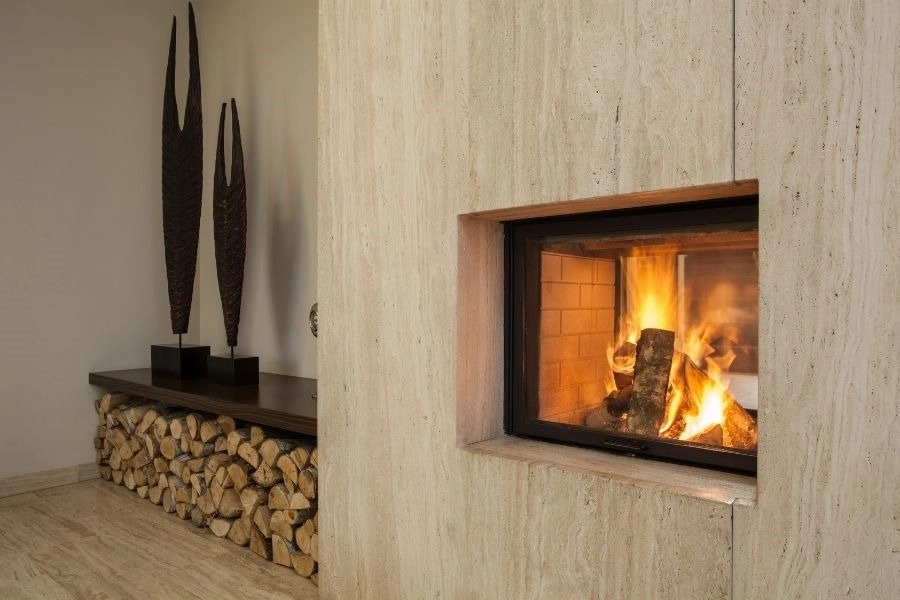
The firebox holds the fire, the mantel is the shelf above it, the surround is the material framing it, and the hearth is the floor area in front of it. In Colorado, which of these you can build or replace also depends on county wood-burning restrictions and, in the mountains, wildfire-zone rules.
The firebox is the enclosed area that holds the fire and its components, and it's where a wood-burning versus gas versus electric distinction starts. Some fireboxes vent to a real chimney; others are decorative inserts not rated for an actual flame. Before assuming an older Denver-metro home's fireplace works, have the firebox and flue inspected — many older units were capped or converted decades ago.
The mantel is the shelf above the firebox, available in stone, wood, brick, tile and metal. Building and fire codes set a minimum clearance between the mantel and the firebox opening to limit fire risk from radiant heat, and that distance varies by fireplace type and manufacturer specification. Confirm clearance requirements with a licensed installer before adding or replacing a mantel, especially on a wood-burning unit.
The surround connects to the mantel and hearth and can share their material or use something different, commonly stone, brick or steel. On a resale-focused remodel, a stone or tile surround updates a dated brick fireplace without touching the firebox or flue, which keeps the project a finish-level cost rather than a structural one.
The hearth ranges from flush with the floor to raised, and its size depends on code-required clearance from the firebox opening to any combustible flooring. An extended hearth makes cleaning and firebox access easier and is required by many building codes for a certain minimum depth in front of a wood-burning unit.
Several Front Range counties and municipalities, including parts of the Denver metro under high-pollution advisory programs, restrict new wood-burning fireplace installations in new construction and require gas or EPA-certified wood-burning inserts instead. Check the specific county or city building department before planning a new wood-burning firebox; an existing wood-burning fireplace in a resale home keeps grandfathered status, and it is subject to burn-restriction advisories on poor air-quality days.
Gas fireplaces and inserts need to be rated or adjusted for elevation, since combustion efficiency changes above 4,500 feet. A unit rated for sea level installed without altitude adjustment in a Denver-metro or Colorado Springs home burns less efficiently and can trip the unit's automatic shutoff. Confirm the installer has calculated the correct orifice sizing for your specific elevation before installation.
Converting a wood-burning fireplace to gas, adding a new firebox, or modifying the chimney chase all require a permit from the city or county building department — Denver, Jefferson County, Douglas County and Arapahoe County each have their own process and inspection requirements. A cosmetic surround or mantel replacement that doesn't touch the firebox or venting does not require a permit in most jurisdictions; confirm with the local building department before starting. Ask for the printable fireplace and permit checklist in the form below and we email it the same day.
Mountain and foothills homes in a mapped wildfire zone need a spark arrestor on the chimney cap and defensible-space clearance around any exterior wood pile connected to the fireplace's fuel source. Check with the county wildfire mitigation office for the specific requirements tied to your property's zone before a remodel or new build.
Adding or extending a gas line to a new fireplace location requires a permitted gas line installation, and Xcel Energy or the local utility inspects the connection before it's activated. Budget for this inspection as part of the conversion timeline, separate from the building permit itself.
An active wood-burning fireplace can raise a homeowners insurance premium slightly compared to a gas unit or no fireplace at all, since insurers price wood-burning appliances as a higher fire-risk category. Ask your carrier for the specific difference before assuming either option changes your rate significantly.
A working fireplace carries more weight with buyers touring homes in Colorado Springs and higher-elevation Front Range towns than in a milder Denver micro-climate. See our Colorado market reports for what buyers are prioritizing in your specific area.
Adding a fireplace where none existed means running a new gas line or building a new chimney chase, both of which require a full building permit and structural review in Denver, Jefferson County, Douglas County and Arapahoe County. A ventless gas unit avoids the chimney requirement but is restricted or banned in some jurisdictions; confirm local rules before choosing one.
A working, updated fireplace is a consistent plus in buyer feedback on Front Range listings, particularly for homes above 6,000 feet where evening temperatures drop fast even in summer. Gas inserts show better in listing photos than an outdated wood-burning brick firebox, and they cost less to update than a full masonry rebuild.
If you're buying a home with an older fireplace or deciding whether to update one before you sell, we can point you to what buyers in your Front Range market actually expect. Call or text 303-955-4220. A live person answers. Not a robot, not a phone tree. Ready to see what's on the market right now? Search every home for sale in Colorado.
Questions about any home in Colorado? Call or text 303-955-4220. A live person answers.
The firebox holds the fire, the mantel is the shelf above it, the surround is the material framing it, and the hearth is the floor area in front of it.
Several Front Range counties and municipalities restrict new wood-burning installations and require gas or EPA-certified inserts instead. Check the local building department before planning one.
Yes. Combustion efficiency changes above 4,500 feet, so a unit needs correct orifice sizing for the installation elevation or it burns inefficiently and can trip shutoffs.
Converting wood-burning to gas or modifying the firebox or chimney chase requires a permit from the city or county building department. A cosmetic surround or mantel swap does not, in most jurisdictions.
Homes in a mapped wildfire zone need a spark arrestor on the chimney cap and defensible-space clearance around any connected wood pile.
Yes, particularly at higher elevations where evenings cool fast even in summer. Gas inserts show better in listing photos than a dated wood-burning brick firebox.
Yes, with a permit from the local building department. Many older units also need the firebox and flue inspected first, since some were capped or altered decades ago.