New - 30 Mins Ago
.jpg)


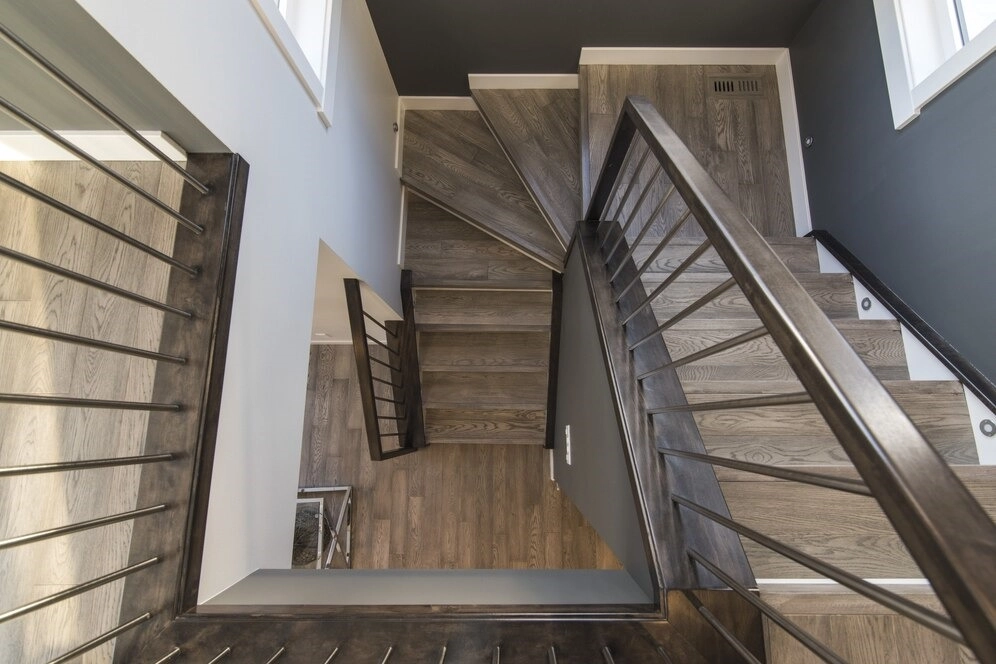
Custom iron handrails read as a focal point in listing photos and hold up to Colorado's dry indoor air and altitude sun far better than painted wood. Here is what Front Range homeowners need to know on cost, code, and resale value before they order one.
Iron is strong enough to span a stair run with thin, open balusters, which keeps sightlines open in the smaller entries and stairwells common in Denver bungalows, Highlands Ranch two-stories, and Lone Tree townhomes alike. Wood staircases from a builder-grade spec home age into a dated look fast; a custom iron railing reads as a deliberate upgrade in a listing photo because it is one, not a stock part pulled off a shelf.
Installed custom iron stair railings price in the $150 to $300 per linear foot range for the Front Range, with straight baluster patterns at the low end and hand-forged scrollwork at the high end. A single interior stair run of 12 to 16 linear feet lands most jobs between $2,000 and $5,000 installed. Exterior porch and deck railings run less per foot but need a powder coat or exterior-grade finish to survive Colorado winters, which adds to the quote. Fabricators such as Si Handrails sell stock and made-to-order iron rail sections a local welder can adapt to a specific stair run, which can trim the cost below a fully custom quote.
The International Residential Code, which Denver and most Front Range jurisdictions adopt with local amendments, sets interior stair handrail height at 34 to 38 inches above the stair nosing, with baluster spacing that keeps a 4-inch sphere from passing through. Guardrails on decks, balconies, and landings more than 30 inches above grade need to hit 42 inches. Check the current amendment with your city or county building department before you order a custom design, since some Front Range cities adjust these numbers.
A straight swap of an interior railing on the same stair structure does not trigger a permit in Denver in most cases, but any change to the stair's structural framing, a new guardrail on a raised deck, or work visible from a public right-of-way can. Confirm with Denver's Community Planning and Development office, or the equivalent department in your city or county, before fabrication starts so the finished railing does not need to come back out for an inspection.
Homes in Denver's landmark districts — Baker, Capitol Hill, Five Points, and others — can require design review for exterior changes visible from the street, including porch and stair railings. An iron railing that reads as a period-appropriate upgrade indoors can still need sign-off if any part of it faces the street. Ask your agent to pull the property's historic district status before you commission exterior ironwork.
Indoor humidity in Front Range homes commonly drops to 10 to 25 percent in winter, which is hard on the wood treads, newel posts, and handrail caps that pair with an iron railing, not the iron itself. Wood shrinks and cracks at those humidity levels, which can loosen the connection points where a wood cap sits on an iron rail. A whole-home humidifier set to 30 to 40 percent keeps those joints stable and protects any wood stair components in the same run.
South Metro Denver gets roughly 300 days of sun a year, and UV intensity at 5,280 feet is higher than at sea level. Powder-coated iron holds up well, but a painted finish on a railing that sits near a south- or west-facing window can chalk and fade over several years. Ask your fabricator for a UV-stable powder coat instead of standard paint on any railing that lives near unshaded glass.
A staircase is one of the first things a buyer sees walking in, and it repeats in nearly every listing photo taken from the entry or the second-floor landing. An open iron railing lets more light reach the stairwell in the photo than a solid wood balustrade, which matters directly for how bright a listing looks in a search results thumbnail. Pair it with refinished treads for the strongest before-and-after in the listing photo set.
| Railing Type | Typical Cost Range | Where It Reads Best |
|---|---|---|
| Custom iron | $150–$300 per linear foot installed | Traditional and Denver Tudor/bungalow interiors |
| Cable rail | $100–$200 per linear foot installed | Mountain modern and new-construction South Metro homes |
| Painted wood balustrade | $60–$150 per linear foot installed | Builder-grade spec homes, lower price points |
Appraisers do not line-item a railing upgrade the way they do a kitchen or bath remodel, but a custom iron railing removes a dated visual cue that otherwise reads as a deferred-maintenance signal to buyers touring a Denver-area resale. It is a detail upgrade, not a structural value driver, so weigh the cost against a broader prep plan rather than as a stand-alone project before listing.
Interior railings almost never need HOA sign-off. Exterior porch, deck, and entry railings visible from the street or a common area need it in most HOAs with an architectural review committee. Pull the HOA's design guidelines before ordering exterior ironwork; a rejected railing means refabricating it, which costs more than getting approval first.
If a listing date is inside the next six months, spend the budget on refinishing what is already there — treads, existing railing paint, and lighting — rather than a full custom iron replacement, since a full remodel rarely returns its full cost at closing on that timeline. If the home is not listing for a year or more, a custom iron railing is a livability upgrade you get to enjoy before it also helps the eventual listing photos. For a smaller adjacent project, the cost breakdown in this guide to remodeling existing home bathrooms is a useful comparison for budgeting a multi-room prep list before you list.
The Kenna Real Estate Group can tell you which upgrades pull their weight before a Front Range listing and which ones to skip, based on what closed comps in your neighborhood actually show. Call or text 303-955-4220. A live person answers. Not a robot, not a phone tree. Or search every home for sale in Colorado to see what's on the market right now.
Questions about any home in Colorado? Call or text 303-955-4220. A live person answers.
Installed custom iron railings price in the $150 to $300 per linear foot range, which puts a typical 12 to 16 foot interior stair run between roughly $2,000 and $5,000 installed.
Under the International Residential Code, which Denver and most Front Range cities adopt with local amendments, interior stair handrails sit 34 to 38 inches above the nosing; confirm current local amendments with your building department.
A straight swap that does not change the stair's structure does not trigger a Denver permit in most cases, but structural changes, new raised-deck guardrails, and street-facing exterior work do need one. Check with your local building department first.
The iron itself is fine, but indoor humidity commonly drops to 10 to 25 percent in a Front Range winter, which can crack and loosen the wood caps and treads paired with an iron rail. A humidifier set to 30 to 40 percent protects those wood components.
Standard paint on a railing near unshaded south- or west-facing glass can chalk and fade over a few years at 5,280 feet. A UV-stable powder coat holds color longer than paint.
Interior railings almost never need HOA sign-off. Exterior railings visible from the street or a common area need architectural review in most Highlands Ranch, Castle Rock, and Centennial HOAs before fabrication starts.
If you are listing within six months, refinishing existing treads and railing paint returns more per dollar in most cases than a full custom iron replacement. Save the full upgrade for a home you plan to live in for a while first.
Cable railing shows up more in newer mountain modern builds in Lone Tree and Castle Rock, while custom iron pairs better with Denver bungalow, Tudor, and traditional two-story interiors.


