New - 2 Hours Ago

.jpg)


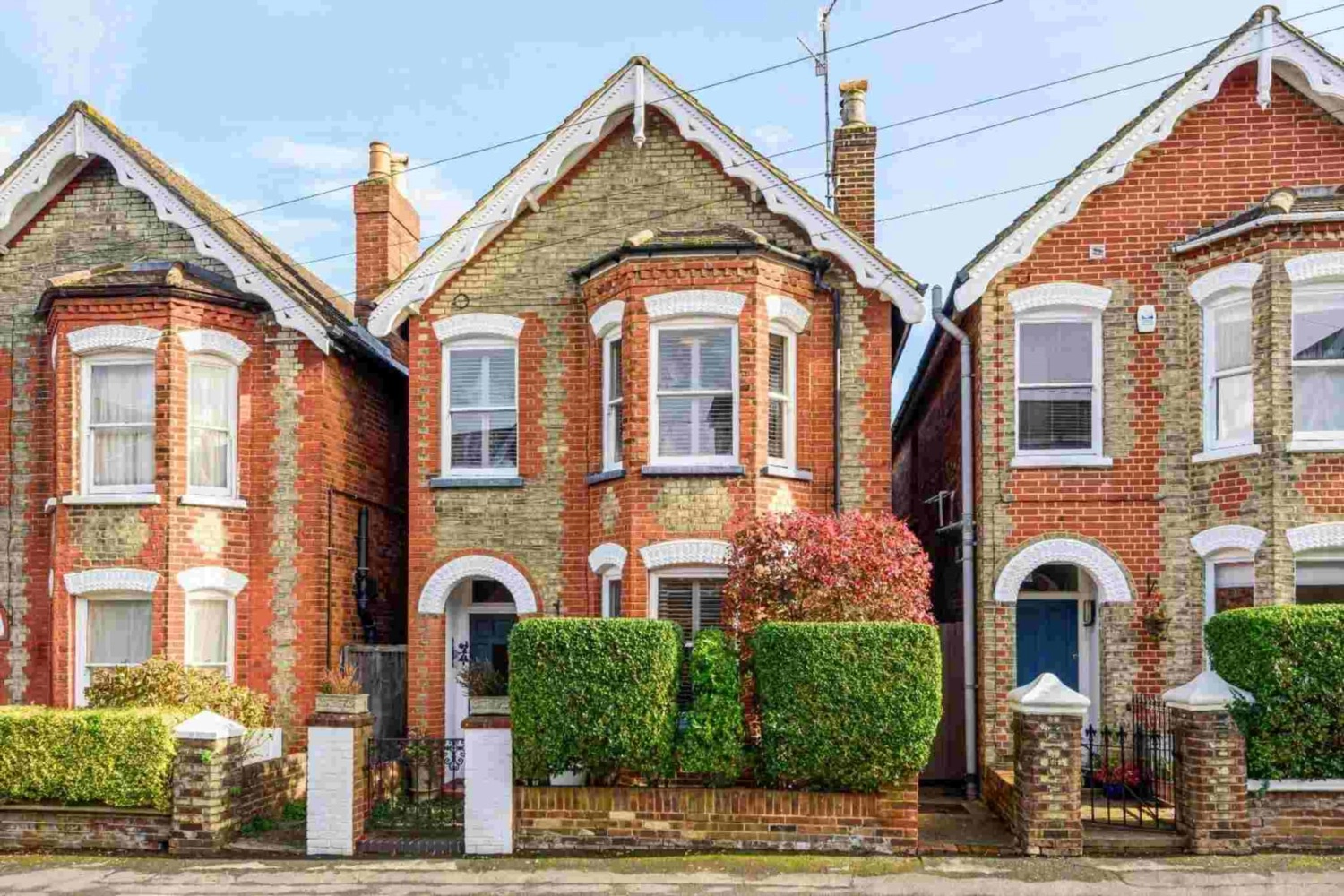
The step most Colorado sellers miss is the clear-out: emptying the garage, basement and yard of everything that is not staying, hauling the debris off the property, and running the two tests a Denver buyer orders on day one of inspection, radon and a sewer scope. Sellers spend on staging and photos and skip this, then the photographer shoots around boxes and the buyer's inspector writes up the garage.
This guide gives the Front Range cost of every part of the clear-out and a two-week calendar for it. It fits sellers in Denver, Aurora, Centennial, Littleton, Highlands Ranch, Parker and Castle Rock and the rest of the Front Range. The full pre-listing plan is on our preparing and adding value before selling page.
Colorado buyers see the lot before the front door, and a Colorado lot collects a specific list of junk: hail-torn window screens leaning in the side yard, a deck gone gray from a summer of UV at 5,280 feet, a lawn that died under Denver Water's three-days-a-week summer schedule, and a pile of branches from the last wet spring snow. Every one of those tells the buyer the home was not kept up, and the buyer's agent prices that into the offer.
The 8 curb appeal fixes for Front Range sellers post covers the exterior in more detail.
Buyers on the Front Range open the garage and walk the basement on every showing because those two spaces answer their storage question and their water question. A garage packed to the door hides the slab, and a basement full of boxes hides the walls where an inspector looks for efflorescence and cracks from expansive bentonite clay.
Empty the garage to the point where a buyer sees the whole floor and both walls. Then scrub the slab: tires carry magnesium chloride off winter roads from October to April, and it dries into white bloom and dark tide marks that read as a wet garage. A stiff brush, a concrete cleaner and a rinse take it off in an hour. In the basement, clear a 3-foot path along every foundation wall and move everything off the floor near the furnace and water heater so the inspector reaches them without moving your boxes.
A pre-listing clear-out on a Front Range home fills more than the city cart. Here is what the choices cost.
| Method | Denver metro cost | Best for |
|---|---|---|
| 10-yard roll-off dumpster, one week | $300 to $450 | Garage and basement clear-out, yard debris |
| 20-yard roll-off dumpster, one week | $400 to $650 | Carpet, drywall, cabinets, a deck tear-off |
| Junk removal crew, per truckload | $150 to $600 | Furniture and appliances you cannot lift |
| City large-item pickup | Included in Denver Solid Waste service, by appointment | A few big items, no rush |
| Landfill drop-off, pickup load | $30 to $80 per load | A truck and a free Saturday |
| Donation pickup | $0 | Working appliances, cabinets, doors, furniture |
A roll-off that sits in the driveway needs no permit; one on a Denver street needs a right-of-way permit from the city, so keep it on the driveway and put plywood under the rails to protect the concrete. Front Range sellers who clear a whole garage and basement in one weekend book a service such as M&M Roll Off Dumpster rentals and fill it once instead of paying a crew three times. You are free to use any provider.
Working cabinets, doors, light fixtures and appliances go to a Habitat for Humanity ReStore in the Denver metro. Leftover paint goes to a Colorado PaintCare drop-off site at no charge instead of the dumpster. Electronics, tires and batteries are banned from Colorado landfills, and Denver's household hazardous waste program takes them by appointment.
A 10 by 10 storage unit in the Denver metro rents for $100 to $200 a month, and most sellers keep it for four months, so the unit costs $400 to $800 before the move. The cheaper path is to move less. Sort every room into four piles: goes to the new house, sells, donates, trash. Ideas for cutting the first pile in half are in this list of creative ways to deal with clutter.
Sellers downsizing from a Highlands Ranch two-story to a patio home in Parker or Castle Rock do this sort once and pack the keep pile straight into moving boxes. Our guide to staging a Colorado home when downsizing and the Denver metro downsizing guide cover the rest of that move.
Fresh paint, new carpet and a replaced deck are the three most common Front Range pre-listing projects, and each one leaves a pile. New carpet in three bedrooms leaves 900 sq ft of old carpet and pad; a deck rebuild leaves 300 sq ft of gray boards and screws; a paint job leaves 10 to 20 cans. Contractors who quote the job without haul-away leave it in the driveway.
Put debris removal in every contractor bid, or plan the roll-off for the week the projects finish. A driveway full of old carpet in the listing photos costs more than the $400 dumpster that removes it.
Radon and a sewer scope. Most of Colorado is in EPA Radon Zone 1, and the Colorado Department of Public Health and Environment reports that about half of Colorado homes test above the EPA action level of 4.0 pCi/L. Colorado law has required sellers to give buyers a radon disclosure and the CDPHE brochure since August 2023. A $25 charcoal kit or a $150 professional test tells you the number; mitigation runs $900 to $2,500. Details are in our Denver radon testing and mitigation guide.
A sewer scope costs $150 to $300. Homes built before 1975 in Denver, Englewood, Littleton, Arvada, Lakewood and Aurora have clay tile sewer lines that tree roots enter at every joint, and a replacement runs $8,000 to $20,000. A seller who knows the number before listing prices it or fixes it; a seller who learns it from the buyer's inspector pays it plus a concession. The Denver pre-sale plumbing checklist lists the rest of the plumbing items.
Three things. The photographer shoots every room from the corner and the rooms read larger, so the listing gets more saved searches and more showings in the first week. The buyer's inspector sees the slab, the foundation walls, the furnace and the water heater without moving anything, so the report is shorter. And the buyer's agent has nothing to point at when the offer is written. A Denver metro home that shows clean and empty goes under contract in the first two weeks; one that shows full sits past 30 days and takes the price cut.
Do the clear-out before the Smart Pricing Report is finished, because the price is set on the home the buyer will see, not the one you live in today.
What stays with the house at closing, from the garage door opener to the sprinkler controller, is in our list of things to leave behind when selling a Colorado house.
The Kenna Real Estate Group walks the property before the clear-out, tells the seller what goes, what stays and what gets tested, and brings the dumpster, cleaner and photographer contacts we use on every Front Range listing. Call or text 303-955-4220. A live person answers. Not a robot, not a phone tree. To see how the cleared homes on your street are presented, search every home for sale in Colorado.
Questions about any home in Colorado? Call or text 303-955-4220. A live person answers.
A 10-yard roll-off runs $300 to $450 for a week in the Denver metro and a 20-yard runs $400 to $650. Keep it on the driveway; a dumpster on a Denver street needs a city right-of-way permit.
Colorado PaintCare drop-off sites take latex and oil paint at no charge. Electronics, tires and batteries are banned from Colorado landfills and go to a household hazardous waste program.
Yes, on every showing. The garage answers the storage question and the basement answers the water question, so both need a clear floor and a clear path along the walls.
Magnesium chloride from winter road spray, carried in on tires from October to April. A stiff brush, a concrete cleaner and a rinse remove it in an hour.
$100 to $200 a month for a 10 by 10 unit, and most sellers keep it four months. Sorting into keep, sell, donate and trash first cuts what goes in it by half.
A test is not required, but since August 2023 Colorado sellers must give buyers a radon disclosure and the CDPHE brochure. A $25 kit answers the question before the buyer's $150 test does.
Two weeks on a Front Range home: tests and sorting in week one, dumpster, contractors, pressure washing and a deep clean in week two, photos on day 14.


