.jpg)


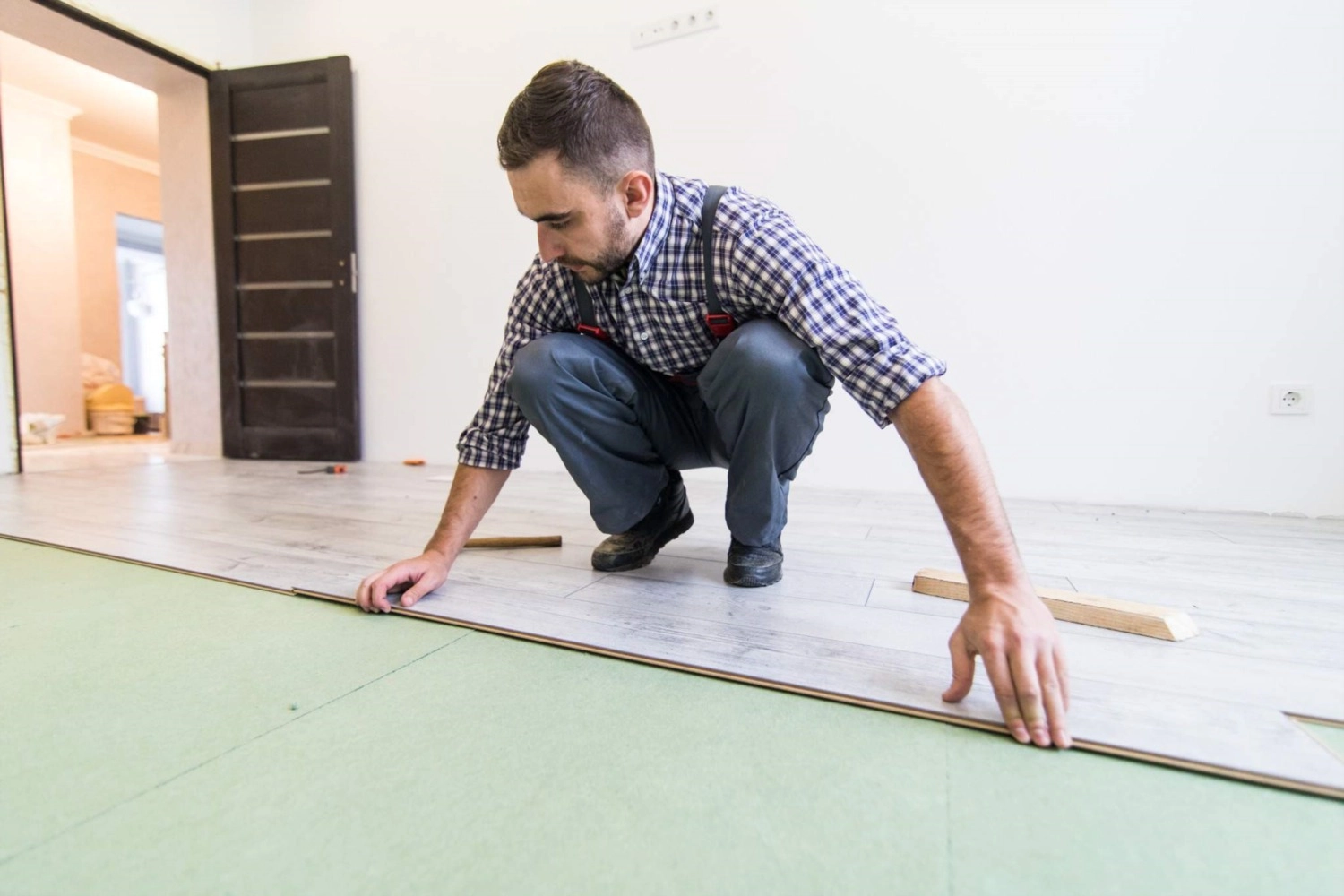
Protecting hardwood, marble, and other high-end flooring during a Colorado showing means controlling what buyers track in, not just cleaning up after they leave. Front Range mud season and hail season both bring grit and moisture into a home through dozens of showings, and that traffic adds up fast on a floor that needs to look flawless in every listing photo.
Why Flooring Protection Matters During a Colorado Showing
A home in a competitive Denver metro market can see a dozen or more showings in a single weekend. Each pair of shoes brings in whatever the season is doing outside: mud, snowmelt grit, hail-storm runoff, or summer dust. Protecting flooring during that stretch keeps the home photographing and showing the same on the last showing as the first.
Floor Runners for High-Traffic Showing Routes
Lay floor runners along the entry, main hallway, and the path from the front door to the kitchen and primary bedroom, since those are the routes every showing follows. Choose a low-profile runner that does not create a trip hazard and can be pulled up quickly before photos.
Felt Pads and Furniture Care While Staged
Add felt pads under every piece of staged furniture sitting on hardwood or tile, and check them between showings since grit under a pad can scratch a floor as easily as no pad at all. Replace pads that show wear rather than waiting until a scratch appears.
Mud Season, Hail Season and Grit Tracked in by Buyers
Spring mud season and hail season, which runs through September along the Front Range, both bring more grit and moisture into a home than a dry summer stretch does. Keep a boot tray and mat at the entry during these months, and plan on a quick floor pass between back-to-back showings rather than one clean at the end of the day.
No-Shoes Policies and What They Actually Protect
A no-shoes request during showings reduces the grit, moisture, and oils tracked onto hardwood, marble, and light-colored tile, and it protects finishes from the kind of fine scratching that dulls a shine over months of foot traffic. Shoes carry a host of potential hazards from outside, which is one more reason a no-shoes policy works during a busy showing weekend. Provide disposable shoe covers at the entry as an easy alternative that does not slow down a showing.
Caring for Persian and Area Rugs During a Listing Period
Rugs sitting on high-end flooring take on extra importance during a listing, since a stained or worn rug photographs poorly next to good flooring and pulls a buyer's attention toward the wrong detail in the room. A Persian rug cleaning service before photos go live keeps rugs from being the detail that pulls a buyer's eye away from the floor underneath.
What Flooring Issues Show Up in a Colorado Inspection
Inspectors along the Front Range commonly flag scratched or scuffed high-traffic areas, gaps from seasonal humidity swings, and any unevenness tied to foundation movement on expansive clay soil. Minor scratches rarely affect a sale, but visible structural movement in flooring can become a point of negotiation during a buyer's inspection objection period.
Seller Disclosure and the Inspection Objection Deadline
Colorado sellers disclose known flooring defects on the standard seller's property disclosure form, including past water damage, prior repairs, or any known unevenness tied to foundation movement. Buyers then have a set inspection objection deadline to raise flooring issues found during their own inspection, so protecting the floor during showings does not remove a seller's need for an honest, complete disclosure.
What Fast Flooring Protection Costs Compared to Repair
| Protection or Repair | Typical Denver Metro Cost |
|---|---|
| Set of floor runners, entry and hallway | $80 to $250 |
| Felt pads, whole house of staged furniture | $20 to $60 |
| Professional rug cleaning, per area rug | $75 to $200 |
| Scratch repair on hardwood, per affected area | $150 to $500 |
Protection costs a fraction of repair, and a scratched or dulled section of high-end flooring found during a buyer's inspection almost always costs more to fix under time pressure than it would have cost to prevent during the listing period.
What's the Fastest Way to Clean Scuffed Hardwood Before an Open House
A microfiber mop with a cleaner rated for finished hardwood removes most surface scuffs from shoe marks in under 20 minutes for an average-size main level. Deeper scratches need a touch-up pen matched to the floor's stain color, which takes longer but still fits into a morning before an afternoon open house.
Should Sellers Hire a Cleaning Service Before Every Showing Weekend
A weekly cleaning service during an active listing period keeps flooring consistent across a full slate of weekend showings without the seller managing it between each one. For a home with fewer showings spread further apart, a quick self-clean before each one is enough in most cases, and the weekly service becomes worth it once showings pick up to more than two or three a week.
Does Protecting Luxury Flooring Matter More in a Competitive Denver Market
A home priced to draw multiple offers in the Denver metro can see a dozen showings in the first weekend alone, which multiplies the wear a floor takes compared to a slower-moving listing. Protecting flooring matters most in exactly the situations where a seller has the most negotiating room to lose if a buyer notices scuffed or scratched surfaces during a walkthrough.
Does Protecting Flooring During Showings Affect the Final Sale Price
Flooring that shows well through the entire listing period supports a stronger first offer, since buyers comparing several homes remember the one that looked flawless in person as well as in photos. A floor that visibly degrades over weeks of showings can cost a seller negotiating room even when the damage is minor and easily fixed.
Protecting Flooring During Open Houses Versus Private Showings
An open house brings more foot traffic through a home in two hours than a week of private showings combined, which means runners, mats, and any no-shoes signage need to be in place before doors open, not set up partway through. A private showing with one or two buyers and an agent allows more flexibility, but the same protective steps still cut down on wear over the full listing period.
Marble and Tile Floors Need Different Protection Than Hardwood
Marble scratches and etches from acidic spills more easily than hardwood, so a runner near an entry table or kitchen island matters even more on a marble floor than on a wood one. Grout lines in tile trap dirt tracked in during Front Range mud season, and a quick vacuum of the grout lines before each showing keeps them from looking dingy against otherwise clean tile.
Take dated photographs of flooring condition at the start of the listing period, which gives a seller a record to point to if a dispute over pre-existing wear comes up later in the transaction.
Where to go next
- Showing your Colorado home to buyers
- What upgrades make buyers trust a property
- 7 ways to prepare your home for a showing
- How to sell a house in Colorado
- Search every home for sale in Colorado
Talk to the Kenna Real Estate Group
The Kenna Real Estate Group can walk you through exactly what to protect and disclose while your Front Range home is on the market. Call or text 303-955-4220. A live person answers. Not a robot, not a phone tree. Or search every home for sale in Colorado.
Homes for sale that match this post
Guides
Questions about any home in Colorado? Call or text 303-955-4220. A live person answers.