New - 1 Hour Ago
$362,950
Active
3
Beds
2
Baths
2682
Sqft
0.15
Acres
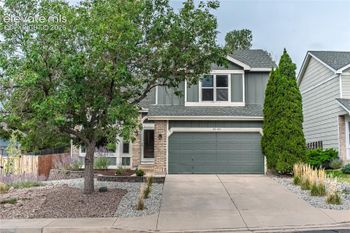
803 Tia Juana St, Colorado Springs, CO 80909
MLS#: 7002793
.jpg)



Sell the Colorado house when the rent does not cover the mortgage, taxes, insurance, a management fee and a repair reserve with at least $200 a month left over. Rent it when it clears that number, you plan to hold it five years or more, and your lender, HOA and city all allow it. Everything below is that one test, worked out for the Front Range.
The Kenna Real Estate Group at Keller Williams DTC runs this math with owners from Fort Collins to Colorado Springs every week. Half of them sell. The other half rent with their eyes open. Both are right answers when the numbers say so.
Start with the rent three comparable homes within one mile leased for in the last 60 days, not the number a listing site prints. Then subtract every cost a Colorado landlord carries. The table shows a $550,000 Denver metro home with a $2,900 mortgage payment (principal, interest, taxes and insurance) renting for $3,200 a month.
| Line | Per month |
|---|---|
| Rent from leased comps | $3,200 |
| Mortgage payment with taxes and insurance | -$2,900 |
| Landlord policy upgrade over a homeowners policy | -$40 |
| Vacancy reserve, one month empty per year | -$265 |
| Management, 8 percent of collected rent | -$256 |
| Repair reserve, 1 percent of value per year | -$458 |
| HOA dues where they apply | $0 to -$350 |
| Net before HOA dues | -$719 |
That home loses $700 a month, and the owner is paying to hold it. It is a sell. Change the mortgage to a 2021 refinance with a $1,900 payment and the same house nets about $280 a month, which makes renting a defensible hold. Run your own numbers before anything else; the Colorado rental property checklist has the full worksheet.
Federal Section 121 lets a seller exclude $250,000 of gain ($500,000 for a married couple filing jointly) when the home was the primary residence for two of the five years before the sale. That window is the reason a short rental works and a long one costs money.
Rent for up to three years and sell, and the exclusion still applies. Rent for three years and one day, and the whole gain becomes taxable at federal capital gains rates plus Colorado's flat income tax. Depreciation taken during the rental years is recaptured at sale either way. An owner with $300,000 of gain on a Highlands Ranch home has a hard deadline, and the home equity and net proceeds guide shows what that check looks like after selling costs.
The Colorado Division of Housing and the county court self-help centers publish the current forms. Read them before you write a lease, not after a dispute.
Yes. Every long-term rental in the City and County of Denver needs a residential rental license from Denver Excise and Licenses before it is rented. The license requires an inspection by a Denver-certified inspector who checks the habitability items above, it runs for four years, and renting without one draws fines. Aurora, Boulder and other Front Range cities run their own rental programs, so check the city the home sits in, not the metro area. Our Denver landlord winter compliance post covers the heat and snow-removal rules that the inspection and the lease both touch.
Pull the covenants (CC&Rs) before you list the home for rent. Some Colorado HOAs cap the share of homes that are rented at one time, some require a minimum 6- or 12-month lease, and condo associations in Denver and sub-associations in Highlands Ranch keep waiting lists once the cap is hit. A metro district does not stop you from renting, but its mill levy sits inside the tax bill your rent has to cover, and Douglas County and Adams County districts add hundreds of dollars a month. The Denver HOA rules and fees guide and the metro district tax guide explain both.
Owner-occupied conventional, FHA and VA loans require you to live in the home for 12 months after closing before it becomes a rental, and the note says so. After that year, renting does not trigger a rate change or a refinance. Buying the next home while keeping this one means qualifying with both payments, and lenders count 75 percent of a signed lease toward income once the rental has a tenant. Mike Oswald, VP of Mortgage Lending at Rate, NMLS 261003, Equal Housing Lender, runs that qualification for Kenna clients. You are free to use any lender. The Colorado home financing guide lists the loan programs.
Check two numbers every quarter: the Apartment Association of Metro Denver vacancy survey, and the days on market of rental listings within a mile of your home on Zillow and Apartments.com. Rising vacancy and 30-plus days on market mean rent concessions, and your cash-flow math moves with them. Denver's ranking as a rental-friendly area for tenants tells you demand exists; it does not tell you your rent. Our state of the Denver rental market post and the reducing vacancy time on a Denver rental post cover the pricing side.
Price-to-rent ratios differ by city. A $400,000 Colorado Springs or Greeley home rents closer to its payment than a $750,000 Boulder or Lone Tree home, so the same owner gets a rent answer in one and a sell answer in the other. Pull leased comps for your own city with the Denver, Aurora and Colorado Springs explore pages, and the Colorado market reports for the sale side.
Yes, three ways. Sell with the tenant in place to an investor, who takes the home subject to the lease and the deposit. Wait for the lease to end and list it empty. Or, under Colorado's 2024 for-cause eviction law, decline to renew because you are selling the home, with 90 days' written notice to the tenant. After the rental period, a 1031 exchange also becomes available to defer the gain into another investment property, an option a primary residence never has.
A tenant-occupied listing shows less and sells for less than a vacant, staged one. Plan the sale for the month after move-out when the numbers allow it.
Sellers who want speed over top dollar have cash buyers such as Revival Homebuyers and Denver iBuyers; a cash offer closes in 10 to 14 days and lands 8 to 15 percent under a listed sale. The Denver cash home buyers guide compares them. Sellers who want top dollar list the home; pricing your Colorado home with a Smart Pricing Report sets the number from sold comps, and adding value before selling lists the fixes that return more than they cost.
We run the rent-or-sell numbers on your home, pull the sold and leased comps, and hand you a written net sheet for both paths so the decision takes one meeting, not one year. Call or text 303-955-4220. A live person answers. Not a robot, not a phone tree. When the answer is sell and buy, search every home for sale in Colorado to see what the equity buys next.
Questions about any home in Colorado? Call or text 303-955-4220. A live person answers.
Rent when leased comps clear the mortgage, insurance, vacancy, management and repairs by $200 a month and you will hold five years. Sell when they do not, or when a gain near $250,000 ($500,000 married) needs the two-of-five-year exclusion.
30 days after the tenant moves out, or up to 60 days when the lease states a longer period. The return comes with an itemized list of deductions, and bad-faith withholding costs the landlord three times the deposit.
Up to three years after moving out. Section 121 requires two years of primary residence inside the five years before the sale, so the exclusion ends on the third anniversary of the move-out date.
8 to 10 percent of collected rent per month, plus a leasing fee of half to one month's rent each time a tenant is placed. On $3,200 rent that is $256 to $320 a month plus $1,600 to $3,200 per turnover.
Yes. Denver requires a residential rental license for every long-term rental, issued after an inspection by a Denver-certified inspector. The license lasts four years.
Yes, when the recorded covenants cap the number of rentals or set a minimum lease term. Read the CC&Rs and any sub-association rules before advertising the home, and ask the manager whether a rental cap waiting list exists.
Yes. The buyer takes the home subject to the lease and receives the security deposit at closing. Colorado's for-cause eviction law also lets an owner decline to renew in order to sell, with 90 days' written notice.