New - 5 Hours Ago

.jpg)


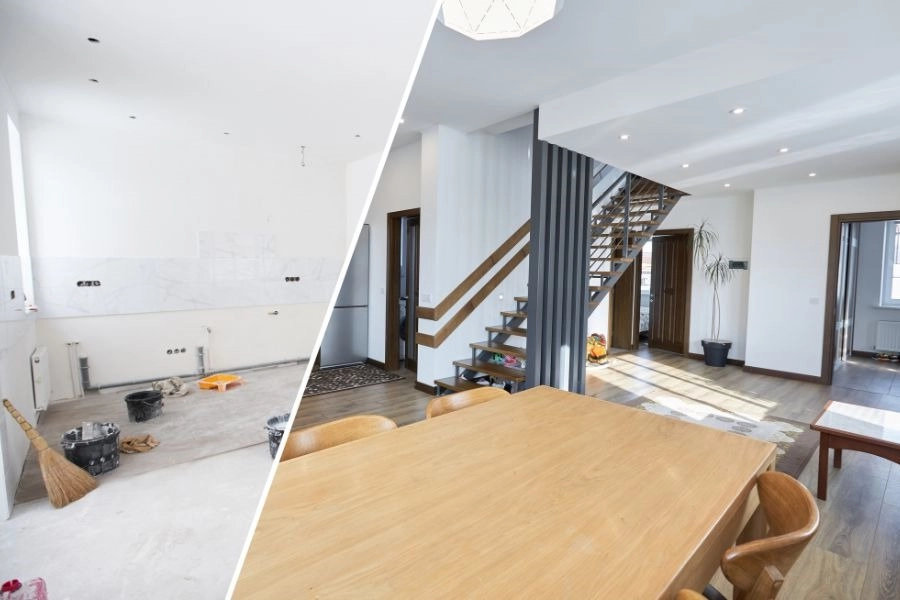
The biggest risks in a Colorado interior remodel are removing a load-bearing wall without an engineer, skipping a required Denver or county permit, and underestimating the budget for what is hiding behind older drywall. Each one can stall a project or, worse, create a defect a buyer's inspector finds when the home eventually sells.
Structural changes, hidden hazardous materials in older homes, permit violations and budget overruns account for most of the remodeling problems Front Range homeowners run into. Knowing which risk applies to a given project, before demolition starts, is what separates a smooth remodel from an expensive one.
A wall running perpendicular to floor joists, positioned near the center of the home, or stacked directly above a wall on the floor below is a strong candidate for load-bearing. A structural engineer or a licensed contractor can confirm it definitively by checking the framing plans or inspecting the attic and crawlspace; guessing wrong on this one point can compromise the entire structure.
Removing a load-bearing wall without installing a properly sized beam and support posts can cause sagging floors above, cracked drywall, doors that stop closing correctly, and in serious cases a structural failure. This is one renovation mistake that costs far more to fix after the fact than it would have cost to do correctly the first time, including the structural engineering fee.
Denver requires a permit for structural changes, most electrical and plumbing work, and any project that adds or removes walls. Cosmetic work like paint, flooring and cabinet swaps does not need a permit. Other Front Range cities and counties set their own thresholds, so checking with the local building department before starting is worth the phone call, particularly in unincorporated Jefferson, Arapahoe or Douglas County where rules differ from the cities inside them.
Unpermitted work discovered later, most commonly during a home sale, can require the seller to open up finished walls for a retroactive inspection, pay permit fees plus penalties, or in some cases undo the work entirely. Buyers' lenders and inspectors increasingly flag unpermitted electrical and plumbing changes, which can delay or derail a closing.
Homes built before 1978 can have lead-based paint, and homes built before the early 1980s can contain asbestos in insulation, floor tile, or joint compound. Both require a lead-paint-certified or asbestos-certified professional for testing and removal rather than DIY demolition, since disturbing either material without proper containment creates a health hazard for everyone in the home.
A contingency of 15% to 20% above the contractor's quote is standard advice for any interior remodel, and older Front Range homes, particularly those built before 1970, land at the higher end once a wall opens up and reveals outdated wiring, undersized plumbing, or water damage the original quote did not account for.
Bentonite clay soils common across the Front Range expand and contract with moisture, which can cause interior cracks, uneven floors or doors that no longer close squarely, even in homes that were built correctly. A remodel that opens up walls is a good opportunity to check for evidence of this movement and address it before finishing new drywall over the same problem.
A single-room remodel like a kitchen or bathroom runs six to twelve weeks once permits are approved; a whole-level remodel touching structure, electrical and plumbing runs four to six months. Permit review times vary by city, and Denver's can add several weeks to the front end of the schedule during busy building seasons.
Yes. Colorado's seller's property disclosure asks about known defects and work performed on the home, and disclosing a remodel, including whether it was permitted, protects the seller from a later claim and gives the buyer accurate information to plan around during their own inspection objection period.
A remodel undertaken specifically to sell should stay tightly scoped to work that reliably adds value, like kitchens, bathrooms and fresh paint, rather than large structural changes that carry the highest risk and the longest timeline. A seller weighing a bigger remodel against listing as-is should get a contractor's estimate and a market opinion before committing months to a project the next buyer would rather have designed themselves.
An unlicensed contractor can skip the permit process entirely, work without liability insurance, and leave a homeowner responsible for any injury or defect that occurs on the job. Verifying a contractor's license and insurance before signing a contract, and confirming that permits will be pulled under their name rather than left to the homeowner, avoids the most common source of remodeling disputes on the Front Range.
Most Front Range HOAs only govern exterior appearance and shared common elements, so a purely interior remodel does not need architectural approval. The exception is work that touches a shared wall, changes plumbing or electrical that runs through common areas, or affects the building's structure in an attached townhome or condo; check the community's governing documents before demolition in any attached property.
Front Range wildfire smoke season and dry, dusty spring and fall stretches can affect a remodel that requires open windows, exterior access, or HVAC work mid-project. Scheduling major demolition or duct work outside the heaviest smoke weeks, and sealing off work areas from the rest of the home, keeps dust and smoke particulates from settling into finished rooms elsewhere in the house.
The Kenna Real Estate Group helps Front Range homeowners weigh a remodel against listing as-is, and connects sellers with contractors who know Denver-area permit rules before work starts. Call or text 303-955-4220. A live person answers. Not a robot, not a phone tree. Ready to see what is on the market right now? Search every home for sale in Colorado.
Questions about any home in Colorado? Call or text 303-955-4220. A live person answers.
A wall running perpendicular to the floor joists, near the center of the home, or stacked above a wall on the floor below is a strong candidate for load-bearing. Confirm with a structural engineer before removing it.
Cosmetic changes like cabinets and flooring do not, but any structural, electrical or plumbing work in the kitchen does need a permit.
It can require opening finished walls for a retroactive inspection, paying penalty fees, or in some cases undoing the work, and it can delay or derail a closing.
Yes, if it was built before the early 1980s. A certified professional should test insulation, floor tile and joint compound before any demolition begins.
Add 15% to 20% above the contractor's quote as a contingency; older homes tend toward the higher end once walls open up and reveal outdated systems.
Yes. Expansive bentonite clay soils common along the Front Range shift with moisture and can cause interior cracks or doors that no longer close squarely, independent of the remodel itself.
Six to twelve weeks once permits are approved, though permit review time itself can add several weeks during busy building seasons.
Yes. The seller's property disclosure asks about known work and defects, and disclosing whether a remodel was permitted protects you from a later claim.