.jpg)


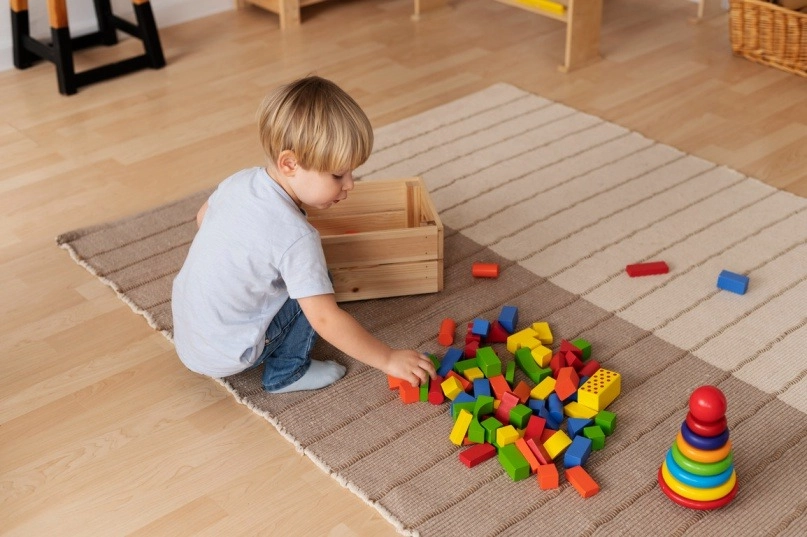
Rubber flooring works best in Colorado homes wherever a floor takes a beating year after year: basements, garages, mudrooms, home gyms, and playrooms. It stands up to mud season boots, cushions falls in a play space, and resists the freeze-thaw stress that cracks unprotected concrete in an unheated garage over a handful of Colorado winters.
Where Rubber Flooring Works Best in a Colorado Home
- Basements: cushioned underfoot, resists moisture better than carpet.
- Garages: handles road salt, mag chloride, and tire marks without staining like sealed concrete alone.
- Mudrooms: cleans up fast after a muddy dog or a snowy pair of boots.
- Home gyms and playrooms: cushions impact and cuts down on noise between floors.
Basements and Radon Systems in Denver Homes
Many Front Range basements have a radon mitigation system with a pipe running along a wall, through the slab, or up through a closet corner. Rubber flooring installs around these systems without complication, and its density helps dampen the low hum some radon fans produce, unlike a hard tile or laminate surface that can transmit vibration.
Garages and Mudrooms: Standing Up to Mud Season and Winter Boots
Front Range mud season and winter road treatment track dirt, salt, and mag chloride into garages and entries for months at a time. Rubber flooring resists staining from these chemicals better than bare or lightly sealed concrete, and it rinses clean with a hose or mop instead of absorbing the residue the way porous, unsealed concrete does.
Home Gyms and Playrooms: Cushioning and Noise Reduction
Rubber flooring cushions dropped weights, falls during play, and foot traffic noise better than hardwood, laminate, or tile. In a finished basement under a main-floor living space, that noise reduction matters as much as the cushioning, especially in a townhome or condo with shared floors where a downstairs neighbor notices every dropped weight.
What Rubber Flooring Costs Installed on the Front Range
| Project | Typical Denver Metro Cost |
|---|---|
| Interlocking rubber tiles, per sq ft | $3 to $7 |
| Rolled rubber flooring, per sq ft installed | $4 to $9 |
| Poured rubber flooring, per sq ft | $8 to $16 |
| Standard garage, materials and install | $1,200 to $3,500 |
Rubber Flooring vs Carpet and Tile for Rental Properties
Carpet in a basement or mudroom traps moisture and dirt tracked in during Front Range mud season, and grout lines in tile crack over time with the concrete slab movement common across expansive soil areas of the metro. Rubber flooring handles both moisture and minor slab movement better, which makes it a lower-maintenance choice for a rental property.
Maintenance in Colorado's Dry Climate
Rubber flooring needs a damp mop and occasional vacuuming, and Colorado's dry indoor air means it stays free of mildew far more easily than a comparable floor would in a humid climate. It does not need sealing or refinishing the way hardwood or unsealed concrete does, which keeps upkeep low over the life of the floor.
Does It Add Resale Value in a Finished Basement?
Rubber flooring in a home gym or garage reads as a practical, low-maintenance upgrade to buyers rather than a cosmetic one, and it rarely detracts from resale since a new owner can replace it with carpet or another finish in an afternoon if they prefer something else.
Is Rubber Flooring Slip-Resistant for a Mudroom During Colorado Winters
Textured rubber flooring provides better traction than tile or sealed concrete when boots track in snow and melting ice, which matters most at a mudroom entry during a long Front Range winter. The surface also drains and dries faster than carpet, so puddles from melting snow do not sit as long as they would on an absorbent surface.
Does Rubber Flooring Fade Under UV Near Basement Egress Windows
Rubber flooring near an unshaded basement egress window can fade or become brittle over years of direct UV exposure at altitude, the same way vinyl or laminate would. A UV-stable rubber product costs more upfront but holds its color and flexibility longer in a sun-exposed spot, which is worth the added cost for a walkout basement with south or west-facing windows that catch direct afternoon light.
Can Rubber Flooring Be Installed Over Concrete in Older Denver Homes
Interlocking rubber tiles install directly over a level concrete slab without adhesive, which works well in an older Denver basement or garage where the concrete has minor cracks or unevenness. Rolled or poured rubber flooring needs a cleaner, flatter surface and more prep work, including patching cracks, grinding high spots, and checking for moisture coming up through the slab before installation begins.
Is Rubber Flooring a Good Choice for a Home Gym in a Colorado Condo
Rubber flooring in a condo home gym cushions dropped weights and reduces the impact noise that travels to a unit below, which matters in a Front Range building where noise complaints between floors are common. Check the condo association's rules on flooring changes and any required underlayment or sound-dampening layer before installing over an existing floor.
How Long Rubber Flooring Lasts in a High-Traffic Mudroom
Commercial-grade rubber flooring holds up for 15 to 20 years in a high-traffic mudroom or entry, longer than carpet and comparable to tile without the ongoing grout maintenance tile needs. Lighter-duty residential rubber tiles run 8 to 12 years in the same location before edges start to curl or seams separate and need replacement.
Do HOAs Restrict Flooring Changes in Condo Common Areas
Flooring inside a unit is almost never restricted, but a shared hallway, lobby, or common-area gym in a Front Range condo building falls under association control in most cases, including any rubber flooring installed there. Check with the HOA before replacing flooring in a common space even when the change seems purely practical.
Rubber Flooring Colors and Patterns for a Front Range Basement
Interlocking rubber tiles come in solid colors, flecked patterns that hide dirt better between cleanings, and wood-look or stone-look surfaces that read closer to a finished floor than a utility surface. A flecked or patterned tile works well in a high-traffic mudroom or garage, while a solid color or wood-look finish fits a basement rec room meant to double as everyday living space rather than utility storage.
Installing Rubber Flooring Yourself Versus Hiring a Pro
Interlocking rubber tiles are a realistic weekend DIY project for a garage or basement with a level concrete slab, since the pieces click together without adhesive, glue, or special tools. Poured rubber flooring, the kind used for a one-piece gym surface with no visible seams, needs a professional crew with the right equipment and is not a practical DIY job for a Front Range homeowner.
Where to go next
- What Colorado homebuyers want in a finished basement
- Don't finish your basement before planning the HVAC
- Garage dimensions and planning guide
- Which upgrades add value before you sell
- Search every home for sale in Colorado
Talk to the Kenna Real Estate Group
If you are weighing a basement, garage, or gym flooring upgrade before selling, the Kenna Real Estate Group can tell you which updates Front Range buyers actually value. Call or text 303-955-4220. A live person answers. Not a robot, not a phone tree. Or search every home for sale in Colorado.
Homes for sale that match this post
- Homes with 2 Car Garage in Denver
- Homes with Finished Basement in Denver
- Townhome: guide
- Basement: guide
- Condo: guide
- Rental property: guide
- All homes for sale in Denver
Guides
Questions about any home in Colorado? Call or text 303-955-4220. A live person answers.