New - 4 Hours Ago
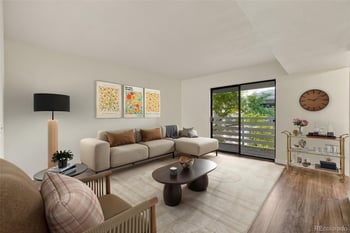
$219,900
Active
2
Beds
1
Baths
891
Sqft
--
Acres
7665 E Eastman Ave #301D, Denver, CO 80231
MLS#: REC7240107
.jpg)



Front Range buyers in 2025 and 2026 are prioritizing energy efficiency, usable outdoor space and smart-home features over purely cosmetic upgrades. A seller or buyer who understands which of these features actually move a Denver-area sale price, and which are just nice to have, can make better decisions on what to add before listing or ask for when touring.
Energy efficiency, a usable outdoor living space and a flexible layout consistently rank above purely decorative upgrades in what Colorado buyers ask agents to prioritize during a search. That shift tracks with rising utility costs and a Front Range climate that rewards a home built to handle intense sun, dry air and wide temperature swings.
Homes with newer, high-efficiency furnaces, updated insulation, energy-efficient windows and owned solar routinely show as a selling point in listing descriptions because they lower a buyer's monthly utility cost from day one. A buyer comparing two similar homes will weigh a lower expected utility bill as real, ongoing savings, not a cosmetic extra.
Xcel Energy runs rebate programs for homeowners who install solar, upgrade to an efficient heat pump or add insulation, with rebate amounts and eligibility that change from year to year. A seller planning an efficiency upgrade before listing should check Xcel Energy's current rebate program directly, since the specific dollar amount depends on the program in effect at the time of the upgrade.
With roughly 300 days of sunshine a year on the Front Range, a patio, deck or outdoor kitchen functions as a second living room for most of the year, not a seasonal extra. Buyers touring in spring through fall weigh a usable backyard heavily, and a covered patio adds shoulder-season usability during hail season storms and afternoon sun.
Xeriscaped or low-water landscaping lowers a buyer's future water bill under Denver Water and other Front Range utility tiered-rate structures, and several municipalities offer turf-replacement rebates that make the upfront conversion cheaper than it looks. A yard that already uses drought-tolerant plants and efficient drip irrigation is a real, ongoing cost saving a buyer can calculate before making an offer.
Biophilic design brings natural light, indoor plants, wood and stone materials, and views into daily living space, which matters more at 5,280 feet of elevation where UV exposure is stronger and winters bring shorter daylight hours. Large south-facing windows, skylights and a connected indoor-outdoor layout are common Front Range design responses to that climate.
Modular construction has grown across the Front Range and mountain communities as a faster-to-build alternative to a full custom build, with factory-built sections shipped and assembled on site. Buyers considering this route should confirm the builder is licensed to work in the specific county or municipality and that the home meets local building code, since modular does not mean exempt from permitting.
Denver's zoning code sets specific rules for accessory dwelling units and for where a modular or manufactured home is allowed, and requirements differ by neighborhood and lot size. A buyer or seller weighing an ADU addition should review Denver's zoning and historic district guide before assuming a lot qualifies.
A smart thermostat, video doorbell and smart locks show up in most current Denver-metro listings, since they are inexpensive to add and buyers now expect them as a baseline rather than a premium feature. Whole-home automation (lighting, irrigation tied to weather data, integrated security) is less common and reads as a higher-end feature that supports a higher price point in that segment.
Colorado's low humidity, commonly 10% to 30% indoors in winter, dries out solid wood furniture, trim and flooring faster than in a humid climate, causing cracking or gapping over time. Engineered wood flooring, sealed hardwoods and furniture built to handle dry-climate swings hold up better, and buyers touring older homes should ask whether flooring and trim have been maintained for that reason.
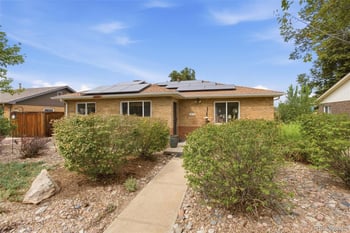
Owned solar (not leased) is treated as a home improvement that lowers future utility costs and is priced into comps when the system is fully paid off before the sale. A leased system or one with an outstanding loan needs to be disclosed and worked into the contract terms, since a buyer's lender will want that detail before closing.
| Feature | How It Performs in a Front Range Climate |
|---|---|
| Stainless steel appliances | Resists rust from freeze-thaw cycles and UV exposure better than painted or coated finishes |
| Stone or concrete countertops | Withstands hail and temperature swings without cracking the way some composite materials can |
| Covered structure over the kitchen | Protects appliances during hail season and extends use into shoulder seasons |
| Gas line vs. propane tank | A gas line avoids winter refill trips; propane works on lots without gas service |
A high share of Front Range homes include a basement, so a finished, permitted basement with proper egress windows reads as genuine livable square footage rather than a bonus space, and it is priced into comps accordingly. An unfinished or partially finished basement is a common point buyers negotiate on after inspection.
Colorado law limits an HOA's ability to fully block solar panels or xeriscaping, but many associations still set placement, screening or design-review rules that a homeowner must follow before installing either. A buyer or seller should pull the specific HOA's covenants before assuming any of these upgrades are automatically allowed.
Energy-efficiency upgrades and xeriscaping tend to return more of their cost at resale than purely decorative furniture or decor trends, because they lower a buyer's ongoing costs in a way that shows up directly in their monthly budget calculation.
Whether the goal is finding a home with these features already built in or knowing which ones to add before listing, the Kenna Real Estate Group can walk through the numbers for a specific Front Range address. Call or text 303-955-4220. A live person answers. Not a robot, not a phone tree. Search every home for sale in Colorado at kennarealestate.com/homes.
Questions about any home in Colorado? Call or text 303-955-4220. A live person answers.
Energy efficiency, usable outdoor living space and a flexible layout, ahead of purely decorative upgrades.
Yes, a fully paid-off, owned solar system is priced into comps as a real cost saving; a leased system needs separate disclosure.
Low indoor humidity dries out solid wood over time, causing cracking or gapping; engineered wood and sealed hardwoods hold up better.
Yes, it lowers the buyer's future water bill under tiered utility rates, and some cities offer turf-replacement rebates that offset the conversion cost.
State law limits how far an HOA can restrict solar, but many associations still set placement or screening rules a homeowner must follow.
Placement and zoning rules vary by city and county, so a buyer should confirm local zoning before assuming a lot qualifies.
A smart thermostat, video doorbell and smart locks appear in most current listings as a baseline expectation.
Yes, a permitted, properly egressed finished basement counts as livable square footage and is priced into comps as such.