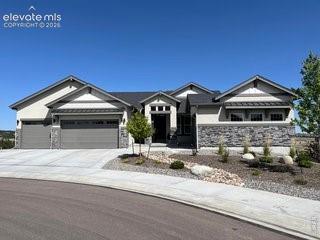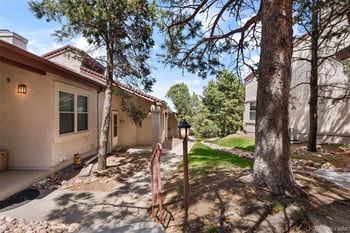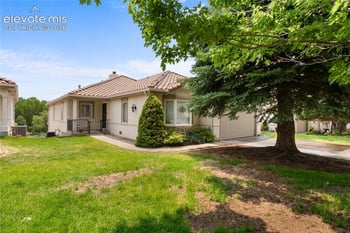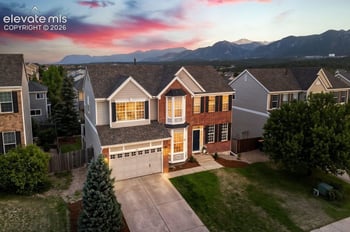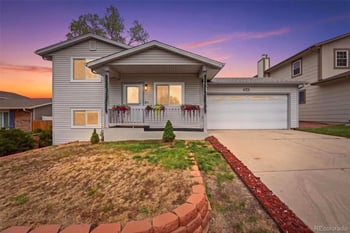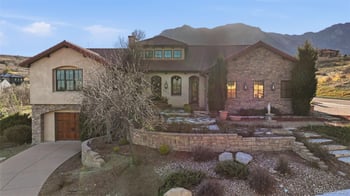
$1,500,000
Active Under Contract
4
Beds
6
Baths
5652
Sqft
0.47
Acres
5410 Marshglen Ct, Colorado Springs, CO 80906
MLS#: REC2101408
.jpg)



Colorado buyers pay for the upgrades that protect a house from hail, snow load, ice dams, downslope wind, and UV at 5,280 feet: a Class 4 impact-rated roof that earns an insurance discount, gutters with heat cable, an insulated garage door, a storm door, a sump pump with regraded soil, and attic insulation to current code. On a listing in Arvada, Broomfield, Boulder, Castle Rock, or Colorado Springs, these items decide the buyer's inspection list and their insurance quote, and both decide whether the contract holds.
The Kenna Real Estate Group sells across a Front Range where hail season runs May through September, Boulder County records downslope winds above 100 mph, Denver averages more than 50 inches of snow a year, and the soil under most of the metro is expansive bentonite clay. This is the weather upgrade list ranked by what buyers pay back, with 2026 Front Range costs.
| Upgrade | Colorado problem it solves | Front Range cost | What it does at sale |
|---|---|---|---|
| Class 4 impact-rated roof | Hail, wind uplift, UV | $14,000 to $28,000 | Removes the roof credit and earns the buyer an insurance discount |
| Gutters, downspouts, and heat cable | Ice dams, foundation water | $1,500 to $5,000 | Clears the most common exterior inspection note |
| Insulated steel garage door | Hail dents, heat loss | $2,000 to $5,000 | Replaces the largest dented surface on the house |
| Storm door and weatherstripping | Wind, drafts, UV on the entry door | $400 to $1,500 | Fixes the first thing a buyer touches |
| Sump pump, window well covers, regrading | Bentonite clay, spring snowmelt | $1,500 to $6,000 | Answers the basement moisture question |
| Attic insulation to R-49 or R-60 | Heat loss, ice dams | $2,000 to $5,000 | Shows up in the Xcel bill buyers ask for |
| Impact-rated or low-E windows | Hail, UV fading, drafts | $800 to $1,800 per window | Only when seals have failed; otherwise disclose |
| Heated driveway or walk | Snow and ice | $12,000 to $30,000 | Pays back only on luxury and 55+ listings |
Hail is the single largest insurance loss in Colorado, and the roof is the first thing a buyer's inspector and a buyer's insurer look at. A UL 2218 Class 4 shingle survives a 2-inch steel ball dropped from 20 feet, and most Colorado carriers discount the premium for a documented Class 4 roof; the buyer asks their carrier for the percentage and the seller provides the invoice and the shingle certification.
Colorado hail and roof costs compares materials, and roof replacement in Colorado covers lifespan by material.
A Front Range roof melts on a 50-degree January afternoon and refreezes at the eave that night. The ice dam that forms pushes water under the shingles and into the wall, and the stain on the ceiling below is what the buyer sees. The fix is three parts:
The garage door is the largest flat surface facing the street, and in Colorado it is the surface hail dents first. A dented door reads as a neglected house from the curb. An insulated steel door with an R-value of 12 or higher costs $2,000 to $5,000 installed, holds the garage above freezing on a minus-10 night, and protects the water heater and any plumbing in the garage wall. Rust on an older door is the other Colorado issue; how to repair garage door rust in Colorado covers the fix when replacement is not in the budget.
Wind on the Front Range finds every gap around an entry door, and UV fades a south- or west-facing door in three years. A full-view storm door with low-E glass costs $400 to $1,200 installed, protects the entry door, and lets light into the foyer for showings. New weatherstripping and a door sweep cost under $50 and remove the draft the buyer feels standing in the entry. The broader case for glass is in why windows are the most underrated upgrade in Colorado real estate.
Bentonite clay under Denver, Aurora, Centennial, Highlands Ranch, Castle Rock, and Parker swells when wet and shrinks when dry, and soil that slopes toward the foundation sends spring snowmelt into the basement. Colorado buyers open the sump pit and look at the grade line on every showing.
Water damage in your Denver home from floods and heavy rains covers what to do when the basement has already taken water.
The Denver metro sits in climate zone 5, and current energy codes call for R-49 to R-60 in the attic depending on which code edition your city adopted. Most 1970s to 1990s Front Range homes have R-19 to R-30. Blowing cellulose or fiberglass to R-49 costs $2,000 to $5,000 on a 1,500 square foot attic, cuts the Xcel Energy bill buyers ask to see, and stops the roof heat loss behind ice dams. Xcel runs insulation rebates that change yearly; ask the contractor for the current amount.
Sunlight at 5,280 feet carries more UV than at sea level, and it chalks paint, fades vinyl siding, and cooks window seals on the south and west faces. Replace only the windows with failed seals or hail-cracked glass, $800 to $1,800 each, and disclose the age of the rest. Analysts tracking the energy-efficient window and door market keep reporting demand growth, but a full window replacement on a Colorado home runs $15,000 to $35,000 and returns a fraction at sale. For siding, fiber cement outlasts vinyl in hail; replace damaged panels rather than the whole elevation, and repaint with a UV-rated exterior paint every 5 to 7 years.
A hydronic or electric heated driveway costs $12,000 to $30,000 and pays back on two kinds of Front Range listings: luxury homes in Cherry Hills Village, Castle Pines, and Boulder where buyers expect it, and 55+ patio homes where the buyer is done shoveling. On a $550,000 Aurora two-story it does not return its cost; a heated front walk at $3,000 to $6,000 is the version that does.
Every financed buyer in Colorado needs a homeowner's policy bound before closing, and the premium is part of the debt-to-income calculation. A quote that comes back $1,500 a year higher than the buyer expected because of a 20-year-old roof or a wildfire score changes what they qualify for. Mike Oswald, VP of Mortgage Lending at Rate, NMLS 261003, Equal Housing Lender, runs the insurance line into the buyer's approval before they write on our listings. You are free to use any lender. The mechanics are on the Colorado home financing guide, and why Denver home insurance costs keep rising explains the market the quote comes from. Engineers writing about building for natural disasters describe the same shift nationally: resilience upgrades now show up in the premium, and the premium shows up in the offer.
Put the roof invoice and Class 4 certification, the insulation receipt, the sump pump model, the electrician's heat cable permit, and the last 12 months of Xcel bills in one folder. The Kenna Real Estate Group attaches it to the MLS listing and hands it to the buyer's insurer. The prep order is on preparing and adding value before selling, and which upgrades your block's comps pay back is in our Smart Pricing Report on pricing your Colorado home to sell. For the year-round maintenance list, read weatherproofing your home for the Colorado climate.
We walk the roof, the eaves, the grade, and the sump pit before the photographer comes, tell you which of these eight your buyers will pay for, and put the paperwork in front of their insurer. Call or text 303-955-4220. A live person answers. Not a robot, not a phone tree. When the next home is part of the plan, search every home for sale in Colorado.
Questions about any home in Colorado? Call or text 303-955-4220. A live person answers.
A Class 4 impact-rated roof when the current roof is past 15 years. It removes the roof credit at inspection and earns the buyer an insurance discount from most Colorado carriers.
Attic heat melts snow on a sunny winter afternoon and the water refreezes at the cold eave. The fix is attic air sealing and insulation to R-49 or R-60, clean gutters, and self-regulating heat cable on north-facing eaves, $600 to $2,000 installed.
Yes. It is the largest surface facing the street and the first hail damage a buyer sees. An insulated steel door runs $2,000 to $5,000 installed.
Expansive bentonite clay across the Denver metro moves foundations when it gets wet. Soil sloping toward the house sends snowmelt into the basement. Regrading to fall 6 inches over 10 feet costs $500 to $2,500.
Only on luxury listings above $900,000 and on 55+ patio homes. At $12,000 to $30,000 it does not return its cost on a mid-price home; a heated front walk at $3,000 to $6,000 does.
R-49 to R-60 under current codes in climate zone 5. Most homes built before 2000 have R-19 to R-30, and topping up costs $2,000 to $5,000 before Xcel Energy rebates.
No. Replace the windows with failed seals or hail-cracked glass at $800 to $1,800 each and disclose the age of the rest. A whole-house replacement returns a fraction of its $15,000 to $35,000 cost.
No. Colorado law bars roofing contractors from waiving, rebating, or paying an insurance deductible. File the claim inside the policy window and pay the deductible yourself.