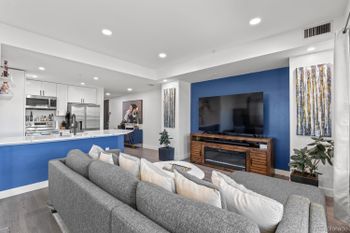
New - Just Now
$429,900
Coming Soon
1
Beds
2
Baths
1017
Sqft
--
Acres
3249 W Fairview Pl #217, Denver, CO 80211
MLS#: 7067103
.jpg)



A Colorado house with botched or unpermitted DIY work sells one of three ways: fix it with licensed trades and permits, disclose it and price it with a credit, or sell it as-is to a buyer who takes the work on at 10% to 30% below market. The wrong move is the fourth one, listing it as if the work were fine, because the inspector, the appraiser and the Seller's Property Disclosure all catch it. This guide shows how to check the permit record in Denver and Jefferson County, what each professional flags, what the fixes cost on the Front Range, and how to price around what is left.
The Kenna Real Estate Group prices a house like this three ways in one Smart Pricing Report: repaired and permitted, listed as-is with a credit, and the best written cash offer. The seller picks the row that nets the most after the work and the time.
Permits come from the city if the house is inside one (Denver, Lakewood, Aurora, Arvada, Littleton, Golden, Wheat Ridge) and from the county if it is unincorporated (Jefferson, Arapahoe, Douglas, Adams). Across the Front Range these projects require one:
Denver's Community Planning and Development department keeps permit and inspection records searchable by address on denvergov.org; the record shows every permit pulled, its status and whether a final inspection passed. A finished basement with no permit on the record, or a permit with no final, is what a buyer's agent finds in five minutes.
Jefferson County Planning and Zoning runs an online permit search by address or parcel for unincorporated Jeffco, including Evergreen, Conifer and the foothills west of Golden. Houses inside Lakewood, Arvada, Golden and Wheat Ridge are on those cities' own systems. Arapahoe, Douglas and Adams counties and their cities work the same way. Pull the record before listing so the answer on the disclosure is exact.
Yes. Colorado sellers must disclose known adverse material facts, and the Colorado Real Estate Commission's Seller's Property Disclosure asks directly about additions or alterations made without required permits. An as-is clause does not remove that question. Write what was done, when, by whom, and whether a permit was pulled; a buyer who learns after closing that the seller wired the basement without a permit and left that line blank has a misrepresentation claim, and the as-is clause is no defense.
Hire a professional home inspector before listing, $400 to $600 in the Denver metro, and read the report the way the buyer will. DIY work shows up as:
The inspection red flags that kill Denver home sales post ranks these by the number of contracts each one ends.
The appraiser measures the house and gives value only to space that matches the county assessor's record and the permit record. An unpermitted addition gets zero or reduced value and a note on the report; a basement bedroom without egress is not a bedroom on the report. A financed buyer's lender reads that note, and FHA and VA appraisers go further: exposed wiring, missing handrails, a deck that is not attached to code, or a water heater without a relief line is a required repair before the loan funds. The result is a price that only a cash buyer or a conventional buyer with a flexible lender will pay.
Denver metro basements sit on bentonite clay that heaves when wet and shrinks when dry. Front Range builders frame basement walls as floating walls: the bottom plate sits above the slab with a gap so the slab can move without pushing the wall into the floor joists above. A DIY finish that bolts the bottom plate tight to the slab cracks drywall, jams doors and, in the worst cases, lifts the floor above when the slab heaves. An inspector who sees a finished basement with no gap at the base, or with drywall cracks running diagonally from door corners, calls for a structural engineer, $500 to $900 for a letter, before any buyer proceeds.
Yes. Denver and the metro counties issue permits for work already completed. The inspector has to see the work, so hidden wiring or plumbing means opening drywall at the inspector's direction, and work that fails is redone by a licensed trade. Expect the standard permit fee plus a penalty fee for starting without one, 2 to 6 weeks from application to final on a basement finish, and longer if plans or an engineer's letter are required. A permit with a passed final turns an unpermitted basement into a permitted one on the record, and that is worth more than the fee on almost every Front Range house.
| DIY problem | Licensed fix in the Denver metro | What it does for the sale |
|---|---|---|
| Unpermitted basement wiring | $2,500 to $6,000 with permit and inspection | Restores FHA, VA and conventional financing |
| No egress window in a basement bedroom | $3,000 to $6,000 installed | Adds a legal bedroom to the listing and the appraisal |
| Opened bearing wall without a header | $500 to $900 engineer letter plus $2,000 to $6,000 framing | Removes the structural objection |
| Deck ledger nailed, no permit | $1,500 to $4,000 to re-attach and permit; $8,000 to $20,000 to rebuild | Clears the inspector's top item |
| Bath tile with no waterproofing | $6,000 to $15,000 to redo a tub surround | Stops a leak claim after closing |
| Panel work, double taps, missing GFCIs | $300 to $1,200 for corrections; $2,500 to $5,000 for a new panel | Clears the most common inspection objection |
Fix the items that block financing first. The preparing and adding value before selling page ranks every other repair by what it returns.
Start with repaired value from closed sales within 90 days and a mile. Subtract the licensed bids for everything that blocks financing. Subtract a second amount, 5% to 10% of value, for the buyer's risk and hassle on whatever stays unpermitted. That is the as-is list price. Anything under it is the cash-buyer range. Read the as-is sales process in Denver for how the listing remarks and the contract are written so the price holds through inspection.
Homeowner's insurers ask about renovations at underwriting and at claim time; a fire traced to unpermitted wiring is contested, and the next owner's insurer asks the same questions. On the financing side, a buyer's lender orders the appraisal, and the appraisal is where unpermitted space loses value. Mike Oswald, VP of Mortgage Lending at Rate, NMLS 261003, Equal Housing Lender, tells the group's sellers in advance which items an FHA, VA or conventional appraiser will require fixed before funding. You are free to use any lender. The Colorado home financing guide lists the appraisal conditions by loan type.
The group pulls the permit record, orders the pre-listing inspection, gets licensed bids, prices the house three ways, and then either lists it with the bids attached or brings vetted cash offers, whichever nets more. Sellers in Denver, Lakewood, Arvada and Golden get the same package. For a Denver ADU or a garage conversion, the Denver ADU, zoning and historic district guide covers what the permit record has to show before it counts as a unit.
The group checks the permit record, gets the inspection and the bids, prices the house repaired, as-is and for cash, and sells it the way that nets the most for your timeline. Call or text 303-955-4220. A live person answers. Not a robot, not a phone tree. When this house is sold, search every home for sale in Colorado for the next one.
Questions about any home in Colorado? Call or text 303-955-4220. A live person answers.
Search the address in Denver Community Planning and Development's online permit and inspection records on denvergov.org. The record shows every permit, its status and whether the final inspection passed.
Jefferson County Planning and Zoning's online permit search covers unincorporated Jeffco, including Evergreen and Conifer. Lakewood, Arvada, Golden and Wheat Ridge keep their own records.
Yes. It asks about additions or alterations made without required permits. Answer it in writing; an as-is clause does not remove the question or the liability for a false answer.
Not as a bedroom without an egress window, and finished space that does not match the permit and assessor records gets zero or reduced value with a note the lender reads.
Yes. Denver and the metro counties permit completed work. The inspector needs to see it, so hidden wiring or plumbing means opening drywall, and failed work is redone by a licensed trade.
Denver metro slabs sit on expansive bentonite clay and move. Basement walls here float with a gap above the slab; walls bolted tight to the slab crack and jam doors when it heaves. A structural engineer's letter runs $500 to $900.
Ten percent to 30% below repaired market value, priced from after-repair value minus the licensed fixes minus the buyer's margin. Listing it with the bids attached and a credit lands closer to 5% to 10% under.
Permitted electrical corrections, a relief line and expansion tank on the water heater, a bolted deck ledger, handrails, and working smoke and carbon monoxide alarms near every sleeping area.