New - 4 Hours Ago

.jpg)


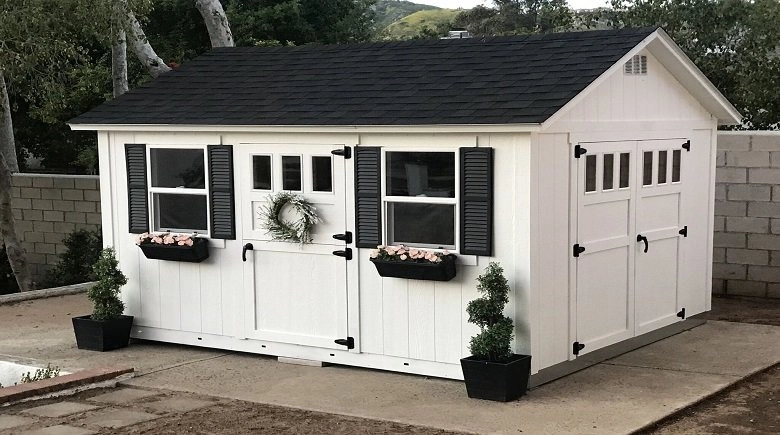
Colorado requires a building permit for most sheds larger than 120 square feet, and several Front Range cities set the threshold even lower, so a kit shed from a home store is not automatically exempt just because it looks small.
Every Front Range city and county sets its own exemption size, and the number that matters is the shed's footprint, not its price. Denver exempts detached accessory structures under 120 square feet with no plumbing or electrical from a building permit, but still requires zoning review for setbacks. Jefferson County, Douglas County and Arapahoe County use a similar 120-square-foot line for unincorporated areas, while some municipalities set the exemption at 100 square feet. Call your city or county building department with the exact dimensions before you order a shed kit.
| City / County | Typical permit-exempt size | Common rear/side setback |
|---|---|---|
| Denver | Under 120 sq ft, no utilities | 3 ft side, 5 ft rear (verify by zone) |
| Aurora | Under 120 sq ft | 5 ft rear and side |
| Lakewood | Under 120 sq ft | 5 ft rear, 3 ft side |
| Colorado Springs | Under 120 sq ft | 5 ft rear and side |
| Fort Collins | Under 120 sq ft | 5 ft rear, 3 ft side |
Treat this table as a starting point, not a final answer: confirm the current number and setback with the specific department, since a corner lot or an alley can change your setback entirely.
A shed kit engineered for a mild climate will not hold up on the Front Range. Denver's building code calls for roof structures to carry a ground snow load in the 30-pound-per-square-foot range, and mountain-adjacent towns like Golden and parts of Jefferson County run higher. Front Range wind gusts above 60 mph are common along the foothills corridor from Golden through Colorado Springs, so anchoring — not just roof strength — is where cheap sheds fail first. Look for a shed rated for the local snow load and anchored with ground augers or a poured footing, not just staked to turf.
Much of the Front Range sits on expansive bentonite clay that swells when wet and shrinks when dry, and a shed on a simple gravel pad can heave or settle unevenly within a few seasons. A compacted gravel base at least 4 inches deep, or a concrete slab with a vapor barrier, reduces that movement. Lot coverage limits also matter: some HOAs and zoning codes count a shed's footprint toward the maximum percentage of a lot that buildings can cover, so a shed can push a corner lot or a smaller Denver bungalow lot over its limit.
An HOA architectural review committee can require a specific color, roofline and setback from fence lines even when the city permit is not required. Metro districts across Douglas County and parts of Adams County add their own layer of review for anything visible from the street. Submit a site plan and a photo of the shed model before you order it — reversing an HOA denial after installation costs far more than the shed itself.
Homes in the foothills wildfire interface — Jefferson County's mountain communities, parts of Boulder County and the west side of Colorado Springs — fall under defensible-space guidance that affects where a shed can sit and what goes inside it. Keep sheds storing gas, propane or other flammable material at least 30 feet from the home in these zones, and clear dry vegetation from around the shed each spring.
Any circuit run from the house to a shed needs a licensed electrician and a permit in every Front Range jurisdiction, even if the shed's footprint is permit-exempt. Buried conduit depth, breaker sizing and outdoor-rated fixtures are inspected separately from the structure itself.
An unpermitted structure over the exemption size shows up in a title search or a buyer's inspection and becomes a negotiating point during the Colorado home sale process, specifically during the inspection objection deadline. Buyers and their lenders sometimes ask for a retroactive permit or a price reduction to cover the risk of removal. Pulling the permit before you list, even after the fact, costs less than the price cut a buyer's agent will ask for.
Colorado's seller disclosure form asks directly about unpermitted structures and improvements. Answer it accurately — a shed built without a required permit belongs on that form, and leaving it off creates liability well after closing.
Metal sheds with a baked-on paint finish and a hail-rated steel roof resist Front Range storms better than vinyl or thin resin panels, which can crack under repeated hail impact and fade under high-altitude UV within a few seasons. Wood sheds need a UV-rated stain reapplied every two to three years to avoid the graying and checking that Colorado's dry air and sun accelerate.
A permitted shed adds to the assessed structure value the county assessor tracks, and that can raise a property's assessed value at the next reappraisal cycle. The increase is modest in most cases for a standard 8-by-10 or 10-by-12 shed compared with the swing from a garage or a finished basement, but a large workshop-style shed with power and finished interior space is treated more like an accessory dwelling for assessment purposes in some counties.
A straightforward accessory structure permit in most Front Range cities takes one to three weeks for review once a complete application and site plan are submitted, longer if the lot needs a variance for setback or lot coverage. Submitting a clean site plan with dimensions, setbacks and the shed's exact footprint the first time avoids the resubmission cycle that adds weeks to the timeline.
A corner lot or a lot backing an alley commonly has a second front-facing setback or an alley setback that a standard rear-yard calculation misses. Denver and several other Front Range cities treat the side of a corner lot facing the side street as a second front yard for setback purposes, which can shrink the buildable area for a shed more than a homeowner expects. Confirm which lines apply to your specific lot before finalizing a shed's placement.
If you are buying a home with a shed already on the lot, or selling one and wondering whether the permit paperwork will slow the deal, the Kenna Real Estate Group can walk the disclosure and inspection process with you before it becomes a problem at the closing table. Call or text 303-955-4220. A live person answers. Not a robot, not a phone tree. Or search every home for sale in Colorado.
Questions about any home in Colorado? Call or text 303-955-4220. A live person answers.
Denver exempts detached accessory structures under 120 square feet with no electrical or plumbing, though zoning setback rules still apply regardless of size.
Yes. Architectural review committees regulate color, placement and roofline independent of the city's permit threshold, and can require changes after installation.
Guidance for the foothills wildfire interface puts flammable storage sheds at least 30 feet from the home, with vegetation cleared around the structure.
A compacted gravel base or a poured slab reduces movement from the Front Range's expansive clay soil far better than a shed set directly on turf.
The buyer's inspector or lender can flag it, and it becomes a repair or price negotiation item during the inspection objection deadline; disclosing it upfront and pulling a retroactive permit avoids a larger price cut.
Yes, in every Front Range jurisdiction, even when the shed itself is small enough to skip a building permit.
Most Denver-area codes reference roughly 30 pounds per square foot, with higher requirements closer to the foothills; check your specific jurisdiction before buying a kit shed.


