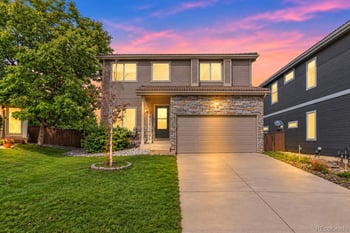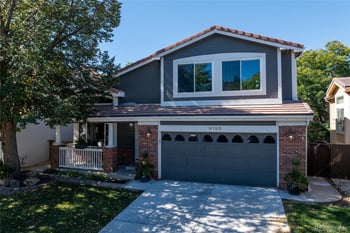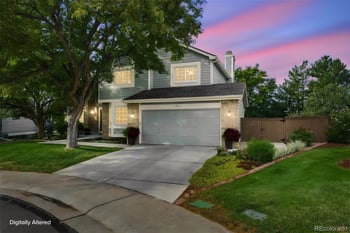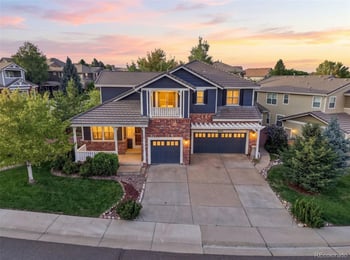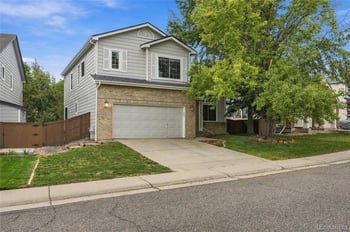
$575,000
Active Under Contract
4
Beds
4
Baths
2431
Sqft
0.14
Acres
5289 Morning Glory Pl, Highlands Ranch, CO 80130
MLS#: REC7290933
.jpg)



Answer these 10 questions on paper before you rent out a Colorado home that did not sell. An owner who answers all 10 with a number, a name or a document is a landlord. An owner who cannot is a seller who is postponing the sale, and every month of postponement costs the mortgage, the taxes and a piece of the capital gains exclusion.
The yes-or-no math lives in the companion post, should I rent my Colorado house if it will not sell. This one is the checklist the Kenna Real Estate Group at Keller Williams DTC hands to owners once the math says yes.
Pull three homes within a mile that leased in the last 60 days, not three that are listed. Their rent has to reach 125 percent of your mortgage payment with taxes and insurance. On a $2,400 payment that is $3,000 in rent. The 25 percent funds one vacant month a year, an 8 to 10 percent management fee and a repair reserve of 1 percent of the home's value per year. Under that line, the home is a monthly loss, and the answer to the other nine questions does not matter. The Colorado rental property checklist has the worksheet.
Colorado gives the tenant a seven-day grace period before a late fee, caps the fee at $50 or 5 percent of the late amount, whichever is greater, and then requires a 10-day demand for compliance before an eviction is filed in county court. Add the court date and the sheriff's timeline and a non-payment eviction costs two to three months of rent plus attorney fees. Get a Colorado eviction attorney's fee schedule and a copy of the current demand form from the county court self-help center before you sign a lease, not after the first missed payment. Screen with a portable tenant screening report, which Colorado requires you to accept, and verify income at three times the rent, the ceiling Colorado allows a landlord to require when the tenant has no voucher; with a voucher, the requirement applies to the tenant's share only.
A homeowners policy stops covering a home the owner has moved out of. Call the carrier before the tenant's move-in date and switch to a landlord (DP-3) policy with liability of at least $500,000; a Front Range landlord policy costs 15 to 25 percent more than the homeowners policy it replaces, and hail season from May to September is why. Ask two things: the vacancy clause (coverage drops after 30 or 60 days empty) and the deductible on wind and hail, which Colorado carriers write as 1 to 2 percent of the dwelling amount. Require the tenant to carry renters insurance in the lease.
Decide before the listing goes up, because the Denver metro renter pool with a dog is large and a no-pets home sits longer. Colorado caps a pet deposit at $300, refundable, and pet rent at $35 a month or 1.5 percent of the rent, whichever is greater. Assistance animals are not pets under fair housing law; no deposit, no pet rent, and no breed rule applies to them. Write the terms into the lease: number of animals, weight, and who pays for the carpet cleaning at move-out.
Collect online through a rent platform with a paper trail; cash and checks in the mailbox lose the dispute. The security deposit is capped at one month's rent (the cap dropped from two months on January 1, 2026) in Colorado. Hold it in a separate account, return it within 30 days of move-out (up to 60 when the lease states the longer period) with an itemized list of deductions, and photograph every room at move-in and move-out to support the list. Withhold in bad faith and the tenant collects three times the deposit plus attorney fees in county court. Normal wear is not a deduction; a hole in the wall is.
Colorado's warranty of habitability requires working heat, water, electricity, a weather-tight roof and a home free of mold and pests. When the tenant gives written notice, the law sets a clock in hours, not weeks, for starting the repair: 24 hours for a condition that threatens health, days for the rest. Miss it and the tenant has repair-and-deduct, rent withholding and lease-termination remedies. So answer this question with a name and a phone number: who answers at 2 am in January when the furnace quits, you or a manager? A Denver metro manager charges 8 to 10 percent of collected rent to be that name.
Before the lease is signed, have a same-day number for each of these Front Range trades and a written quote from at least one:
Our Denver landlord winter compliance post covers the heat and snow-removal duties those contractors help you meet.
Twice a year plus a walk-through at renewal, with written notice. Colorado statute sets no general minimum notice for routine entry, so the lease governs; write 24 to 48 hours into it and keep to it. Check the furnace filter, the smoke and carbon monoxide alarms (Colorado requires a CO alarm within 15 feet of every sleeping room in a rental), under every sink, the water heater pan, the sump, the roof from the ground, and the sprinkler timer. Photograph every room every visit; those photos and the move-in set are the deposit evidence in question 6.
Write the exit before the entrance.
The how to sell a house in Colorado guide and the pricing your Colorado home page are the two you open when the lease ends.
A radon disclosure at lease signing, required by Colorado law for every residential tenancy, with any known test results and mitigation records. A lead-based paint disclosure and pamphlet on homes built before 1978, required by federal law. The name and address of the owner or the manager authorized to act, so the tenant knows where written notices go. And a copy of the signed lease. Keep the signed disclosures with the lease; they are the first thing a court asks for.
We pull the leased comps for question 1, read the HOA covenants for question 2, and write the sale plan for question 10, so the decision to rent is made with the exit already on the calendar. Call or text 303-955-4220. A live person answers. Not a robot, not a phone tree. Owners buying the next home while this one rents can search every home for sale in Colorado.
Questions about any home in Colorado? Call or text 303-955-4220. A live person answers.
Leased comps. Three homes within a mile that leased in the last 60 days must reach 125 percent of your mortgage payment with taxes and insurance, or the rental loses money every month.
For the first 12 months after closing on an owner-occupied loan, yes; the note requires occupancy. After that year, conventional, FHA and VA loans allow the home to become a rental without a refinance.
Nothing until rent is seven days late, then $50 or 5 percent of the late amount, whichever is greater. A lease that says otherwise is unenforceable on that point.
A refundable pet deposit up to $300 and pet rent up to $35 a month or 1.5 percent of rent, whichever is greater. Assistance animals are exempt from both.
Colorado statute sets no general minimum for routine entry, so the lease controls. Write 24 to 48 hours' written notice into the lease; the bed bug law separately requires 48 hours for those inspections.
A radon disclosure with any known results, a lead-based paint disclosure on pre-1978 homes, and the name and address of the owner or authorized manager. Keep the signed copies with the lease.
A landlord (DP-3) policy with at least $500,000 of liability, a vacancy clause you have read, and a known hail deductible, which Colorado carriers write at 1 to 2 percent of the dwelling amount. Require renters insurance in the lease.
April. Denver metro homes list and sell fastest from March to June, and an April move-out puts a cleaned, staged listing on the market inside the three-year capital gains exclusion window.