.jpg)


A solar gate opener works reliably through a Colorado winter when the battery is sized for cold-weather performance loss and the panel is mounted to shed snow and hail, which matters most for the horse properties, ranches and rural parcels scattered across the Front Range foothills and eastern plains. The battery, not the panel, is what fails first on most systems, and altitude, cold and hail all shorten its working life faster than they would at a lower, milder elevation.
A solar gate opener's panel captures power during the day and stores it in a battery that runs the motor on demand, day or night, which means the gate is only as reliable as the battery behind it. A weak battery shows up first as a slower swing or a partial opening before it fails outright, and on a rural property with no nearby grid backup, that failure mode matters more than it would on a suburban lot where a wired opener is an easy alternative.
Battery chemistry loses usable capacity in cold temperatures, and a Front Range foothills or eastern plains property that sees regular nights well below freezing puts more strain on a gate opener battery than a milder climate would. Choose a battery rated for cold-weather performance, and expect a shorter effective range between charges during the coldest stretch of a Colorado winter even on a battery in good condition.
The same higher-UV exposure that boosts rooftop solar output at 5,000 to 8,000 feet on the Front Range and in the foothills also charges a gate opener's panel faster on a clear day, which helps offset the winter cold-weather capacity loss somewhat. A correctly angled, south-facing panel on a rural gate post captures more of that altitude UV than a flat-mounted or poorly oriented one, so confirm panel angle and orientation at install rather than accepting a default mounting bracket setting.
Front Range hail season runs from April through September and reaches the foothills and eastern plains the same as it reaches Denver and Colorado Springs, so a gate opener's panel should carry the same Class 4 hail rating a rooftop panel would, even though it is a much smaller panel. Mount the panel at an angle that sheds snow rather than collecting it, since a snow-covered panel stops charging until it clears, and a gate that will not open during a snowstorm is the exact moment a rural property owner needs it most.
A heavier gate, common on ranch and horse properties where the gate spans a wider driveway or pasture entrance, needs a higher-capacity motor and a correspondingly larger battery and panel than a standard residential driveway gate. A single-swing solar gate opener rated for gates up to 900 pounds is the class of hardware most ranch entrances need; match the opener's rated weight capacity to the actual gate weight with margin, not to the minimum spec, since an undersized system strains the battery on every open-close cycle and shortens its working life faster than a correctly sized one. Compare a few brands' full solar gate system lineups on weight capacity, battery type and warranty length before choosing one for a specific gate.
Most Front Range counties require a permit for a new driveway or ranch entrance gate, separate from any permit tied to the solar or electrical component, and some counties also regulate gate setback from the road for sightline and emergency-access reasons. Check with the specific county, Douglas, Elbert, Weld, El Paso and others outside Denver and Jefferson counties each have their own rural addressing and access rules, before installing a new gate rather than after.
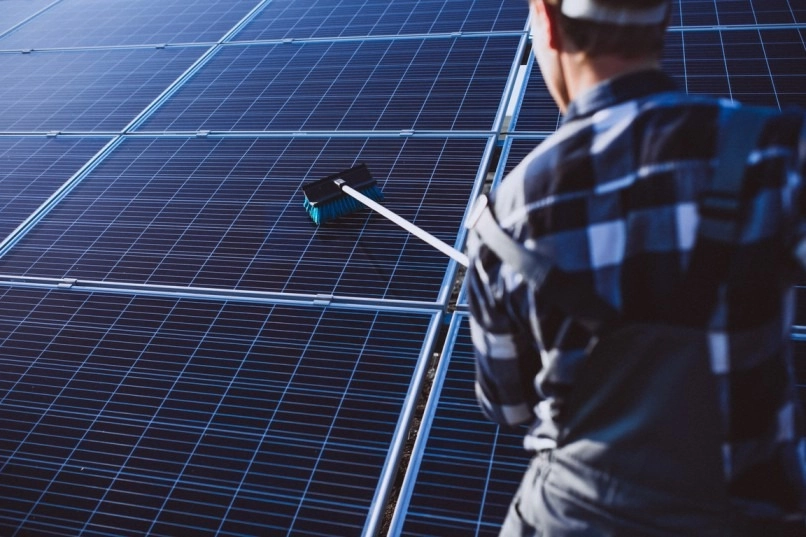
Clear snow and debris off the panel after every storm, check the battery connection points for corrosion once a season, since Front Range dust and temperature swings loosen connections faster than a stable indoor environment would, and replace the battery on a schedule rather than waiting for a full failure. A gate opener battery on an actively used rural gate needs replacement every few years in most cases; keeping a spare on hand avoids being stranded with a gate that will not open during a storm.
A working, well-maintained solar gate opener is a convenience feature buyers of Front Range horse properties and rural parcels notice and ask about, since it signals the property has already solved the access and security question that comes with acreage set back from the road. List the opener's brand, battery age and any recent maintenance in the listing details, and test it before every showing; a gate that fails to open during a buyer's visit costs more in first impression than the feature was worth adding.
A buyer touring a Front Range horse property or rural parcel with an existing solar gate opener should ask the seller for the battery's install date and test the gate's full open-close cycle during the showing, not just watch it work once. Add a working gate opener to the list of items covered during the inspection objection period on Colorado's standard contract, the same as any other mechanical system on the property, so a failing battery becomes the seller's repair item rather than a surprise after closing.
A ranch or horse property gate frequently sits hundreds of feet from the nearest structure with power, which makes running a wired electrical line to the gate post expensive compared to a self-contained solar system that needs no trenching beyond the mounting posts. That distance-from-power reality is the main reason solar gate openers show up so consistently on Front Range acreage listings rather than the more urban driveway gates seen closer to Denver, where a short run of conduit to an existing panel is a simpler option.
A string of overcast winter days on the Front Range, less common than the region's roughly 300 sunny days a year but not rare, can draw a gate opener battery down faster than the panel recharges it, especially on an older or partially degraded battery. Some systems accept a small backup solar panel or a manual override crank for exactly this situation; ask the installer whether the specific model includes a manual override before relying on it as the only access point to the property.
The Kenna Real Estate Group works with Front Range horse property and rural buyers and sellers, and can flag a gate opener, well, septic or other rural system for the inspection period before it becomes a closing-week surprise. Call or text 303-955-4220. A live person answers. Not a robot, not a phone tree. Ready to look at what is on the market right now? Search every home for sale in Colorado.
Questions about any home in Colorado? Call or text 303-955-4220. A live person answers.
Yes. Battery chemistry loses usable capacity in cold temperatures, so expect a shorter range between charges during the coldest stretch of a Colorado winter.
It helps charging: stronger UV at 5,000 to 8,000 feet charges the panel faster on a clear day, which offsets some winter cold-weather capacity loss.
Yes. Front Range hail season runs from April through September and reaches rural and foothills properties the same as it reaches Denver, so a Class 4 rating applies to a gate panel too.
An actively used gate needs a new battery every few years in most cases; keeping a spare on hand avoids being stranded when it fails.
Most counties require a gate permit separate from any solar or electrical permit, and some regulate setback from the road; check with the specific county before installing.
Yes. Ask for the battery's install date and test a full open-close cycle during the showing, and add it to the inspection objection period like any other mechanical system.
It is a convenience feature buyers of Front Range acreage and horse properties notice and ask about, since it signals the access and security question is already solved.
Match the opener's rated weight capacity to the actual gate weight with margin; a heavier ranch or pasture gate needs a larger motor, battery and panel than a standard driveway gate.
Start with the Colorado Horse Property Buying Guide, then search every horse property for sale in Colorado.
Buying or selling horse property in Colorado? Call or text 303-955-4220. A live person answers. Not a robot, not a phone tree.