New - 1 Hour Ago
.jpg)



Staging returns money at closing when it matches the price band a home is competing in. A $340,000 Aurora townhome and a $1.4 million Cherry Creek listing need different staging plans, different photo priorities and different attention to Colorado's climate, because the buyers touring each one are comparing it against a different set of homes.
Staged homes on the Front Range sell faster and closer to list price than unstaged, vacant homes in the same price band, because buyers spend more time in a room that photographs well and reads as move-in ready. The return is highest in the first two weeks of listing, when a home gets the most showings and the most online views. A home that sits with poor photos loses that window and needs a price reduction within 30 days to bring buyers back.
Sellers who want a walk-through before listing can start with home staging from a stager who prices the project against the home's list price. The preparing and adding value before selling guide breaks down which fixes pay for themselves before a Front Range listing goes live, and the pricing your Colorado home to sell page covers how staging and price work together at list.
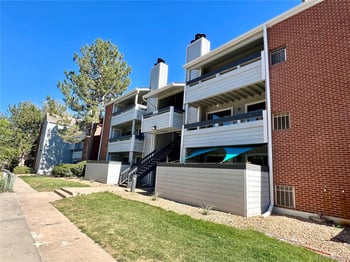
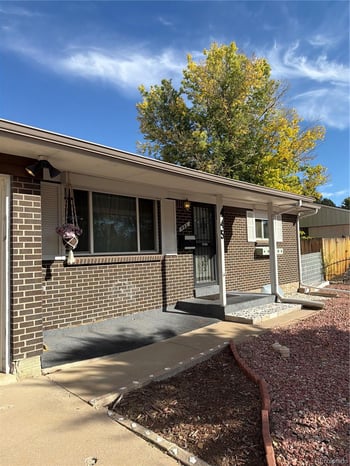
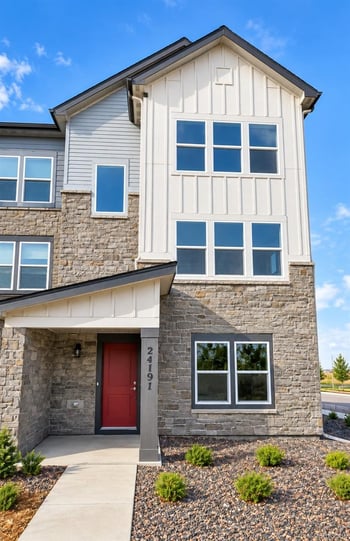
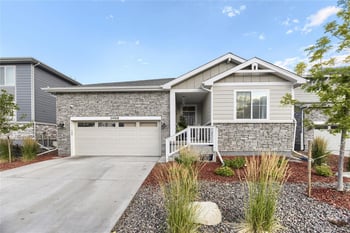
An entry-level condo or townhome under $450,000 in Aurora, Lakewood or Westminster sells on function: a clean kitchen, an organized closet, a living room that photographs as spacious. A move-up single-family home between $450,000 and $850,000 in Littleton, Centennial or Arvada sells on lifestyle: a staged primary suite, a usable home office, a backyard that reads as low-maintenance. A luxury listing above $1 million in Cherry Hills Village, Greenwood Village or Boulder sells on craftsmanship: designer furniture scale, art placement and finishes that match the price the home is asking.
| Price band | Typical staging cost | Priority rooms |
|---|---|---|
| Entry-level condo/townhome | $800 - $2,000 | Kitchen, living room, primary bedroom |
| Move-up single-family | $2,000 - $5,000 | Primary suite, kitchen, home office, backyard |
| Luxury | $5,000 - $15,000+ | Whole-home design, outdoor living, art and accessories |
A professional staging service prices a project against the home's list price, square footage and how many rooms need furniture versus a light refresh of what's already there.
MLS photos need clean sightlines, no clutter on counters, and lighting that compensates for Colorado's intense sun without blowing out every window in the frame. Shoot interior photos midmorning or late afternoon on the Front Range, when the sun angle is lower and rooms with south- or west-facing glass don't wash out. Open blinds partway rather than fully, since a fully exposed window at midday in Denver overexposes the shot on most cameras.
Humidity along the Front Range sits in the teens and low 20s in percentage most of the year, far below what wood furniture is built for. Staged wood pieces, especially rented furniture brought in from a humid climate, can develop cracks, gaps at joints and loose veneer within weeks if a humidifier isn't running. A portable humidifier set to 35% to 45% relative humidity in the main staged rooms protects both rented staging furniture and a seller's own wood floors, cabinets and trim during the listing period.
The Front Range gets close to 300 sunny days a year, and UV intensity at 5,280 feet runs stronger than at sea level. Staged fabrics facing south or west windows fade within a single listing season if they sit in direct sun for showings held over several weeks. Use darker, UV-resistant fabrics on furniture placed near uncovered glass, and rotate throw pillows and rugs if a home sits on the market past 60 days.
West-facing rooms on the Front Range take the most direct, hottest light of the day. Stage these rooms with furniture and rugs that already show some wear rather than new pieces, and add functional window coverings such as cellular shades or solar screens before photos. Buyers touring in the afternoon notice glare and heat in a west-facing living room or primary bedroom, so a working window covering is worth more at a showing than an extra accent chair.
Denver Water and most Front Range utilities deliver moderately hard water, which leaves mineral spotting on stainless steel, glass shower doors and chrome fixtures within days of the last cleaning. Before every showing block, wipe faucets, shower glass and stainless appliances with a vinegar-water solution rather than plain water, since plain water re-deposits the same minerals. A staged bathroom with spotted glass doors photographs as dated even when the fixtures are new.
Late summer wildfire smoke and spring wind-driven dust both settle on staged surfaces and outdoor furniture along the Front Range, and both can haze exterior photos taken on a bad air day. Check the air quality index before a scheduled photo shoot and reschedule an outdoor or view-dependent shot rather than publish hazy mountain-view photos that undersell a home's actual view.
Condo and townhome HOAs on the Front Range commonly restrict what goes on a balcony, patio or in a common hallway, and some require move-in or move-out coordination for staging furniture delivered by truck. Before a stager schedules a delivery at a Highlands Ranch, Denver or Aurora condo building, confirm the HOA's rules on loading dock hours, elevator reservations and any restriction on furniture left in shared entryways, since a violation can delay the first showing.
Staging itself, meaning furniture, art and decor, needs no permit. Adding new light fixtures, relocating an outlet or replacing a faucet before listing is a different matter: the City and County of Denver and most Front Range counties require a permit for new electrical circuits and for plumbing work beyond a straightforward fixture swap. A seller planning more than a light-fixture swap should confirm with the local building department before the work starts, since unpermitted electrical or plumbing work has to be disclosed and can slow a sale during the inspection period.
Colorado's standard contract sets an inspection objection deadline, a specific date by which a buyer must raise repair requests in writing. A well-staged home that hides an obvious defect, such as a stained ceiling or a sticking door, does not remove the seller's obligation to disclose it, and buyers routinely find these items during inspection regardless of how a room is staged. Staging sells the room; it does not replace a pre-listing repair on anything a home inspector flags before that deadline.
Colorado's seller property disclosure form asks about known defects in the roof, systems, water intrusion and more, and that disclosure stands regardless of how the home is staged for photos. Sellers should complete the disclosure honestly before staging begins, then stage around any condition that's disclosed rather than attempt to visually minimize it, since an inspector and a disclosure form will both surface it during the transaction.
Staging cost scales with price band, as the table above shows, and the return comes from a faster sale and fewer price reductions rather than a fixed dollar-for-dollar increase in the final sale price. Occupied-home staging, where a stager works with furniture already in place, costs less than a full vacant-home furniture rental and runs $300 to $1,200 for a consultation and partial refresh.
An occupied home needs editing more than furnishing: removing excess furniture, depersonalizing shelves and clearing closets to about half-full so they photograph as spacious. A vacant home needs the opposite, since empty rooms photograph smaller than they measure and buyers struggle to judge scale without furniture as a reference. Vacant single-family homes and luxury listings on the Front Range benefit the most from a full staging package; occupied entry-level condos need only a one-time consultation in most cases.
Start staging one to two weeks before the listing goes live so there's time to address repairs the stager flags, order rental furniture if needed, and shoot photos once every room is ready. Rushing staging into the same week as photos shows up in the final gallery, with visible cords, unpacked boxes or furniture placement that photographs at an awkward angle.
In a condo or townhome, the kitchen, living room and primary bedroom carry the listing, since buyers at that price band are judging function and flow in a smaller footprint. In a single-family home, add the home office and backyard to that list, since move-up buyers on the Front Range are actively comparing yard usability and a dedicated work-from-home space across competing listings. A duplex or house-hacking property benefits from staging the secondary unit as a rentable space; see the Denver house hacking guide for what that buyer looks for.
The Kenna Real Estate Group prices, stages and photographs Front Range listings by price band, from entry-level condos to luxury single-family homes, and coordinates the repairs an inspection flags before a buyer ever walks through the door. Call or text 303-955-4220. A live person answers. Not a robot, not a phone tree. Ready to see what's on the market first? Search every home for sale in Colorado.
Questions about any home in Colorado? Call or text 303-955-4220. A live person answers.
Staged homes get more showings and offers in the first two weeks of listing than vacant, unstaged homes in the same price band, and that early window is when most Front Range homes sell closest to list price.
Budget $800 to $2,000 for an entry-level condo or townhome, $2,000 to $5,000 for a move-up single-family home, and $5,000 or more for a luxury listing, depending on how much of the home needs rented furniture versus a light refresh.
Yes, if the listing runs more than a few weeks. Colorado's low humidity can crack rented wood furniture and dry out a seller's own floors and trim, so a portable humidifier set to 35% to 45% protects both.
Most Front Range HOAs allow it but require advance notice for loading docks, elevators or shared entryways, so confirm the building's move-in rules before a delivery truck is scheduled.
New electrical circuits and most plumbing work beyond a fixture swap need a permit from the City and County of Denver or the relevant county building department. Furniture and decor need none.
No. Colorado's seller disclosure form requires honest answers about known defects regardless of staging, and a buyer's inspector finds the same issues a stager works around in most cases.
Yes. A vacant home needs furniture brought in so rooms don't photograph smaller than they measure; an occupied home mostly needs editing, decluttering and depersonalizing what's already there.
One to two weeks before the listing date, so there's time to finish any flagged repairs, bring in rental furniture if needed, and shoot photos once every room is ready.