.jpg)


Zero-step entries, wider doorways, and one-level floor plans have moved from a niche request to a standard buyer question in the Denver metro, and homes with these features consistently see a wider buyer pool and faster showings. A doorway widened from a standard 30 inches to 36 inches costs $500 to $1,200 per opening in an existing Colorado home; a full zero-step entry replacing a stepped threshold runs $2,500 to $6,000 depending on grading and materials.
Universal design covers a specific set of features: step-free entries, doorways at least 36 inches wide, lever-style door handles instead of knobs, a bathroom with a curbless shower, and one main living level with a bedroom and full bathroom on it. These features work for anyone moving furniture, carrying groceries, or using a wheelchair, walker, or stroller — which is exactly why they've become a mainstream resale feature rather than a specialty request.
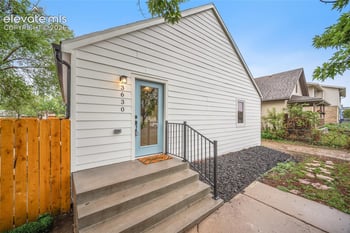
Yes, particularly on ranch-style and patio homes, where a zero-step entry is one of the top features buyers search for in Front Range listings. It costs $2,500 to $6,000 to convert a stepped entry, depending on how much regrading the approach needs, and it widens the pool of buyers who can tour and use the home without modification.
A clear opening of 32 inches is the functional minimum, but 36 inches is the standard that most universal-design guidance recommends, since it accommodates a wider range of mobility equipment and makes moving furniture easier for every buyer. Most homes built before the 2000s have 30-inch interior doors, which is why doorway widening shows up on remodel punch lists as a result.
Budget $500 to $1,200 per doorway for a standard interior widening, more if the opening sits in a load-bearing wall and needs a header. Hallway widening runs significantly more since it involves structural work on both sides, so most Front Range remodels prioritize the primary bedroom, bathroom, and main living-area doorways first.
A building permit is required in most cases for a permanent ramp structure attached to the home, since it changes the exterior and can affect setback and grading requirements. Portable or removable ramps do not need a permit in most cases. Check with the specific city's building department before construction, and confirm HOA architectural review if the property sits in a covenant-controlled community.
Ranch-style, one-level homes along the Front Range command a real premium per square foot compared to multi-story homes in the same neighborhood, driven by demand from buyers who specifically want main-level living. That premium has held up consistently in Denver-metro submarkets with limited ranch inventory.
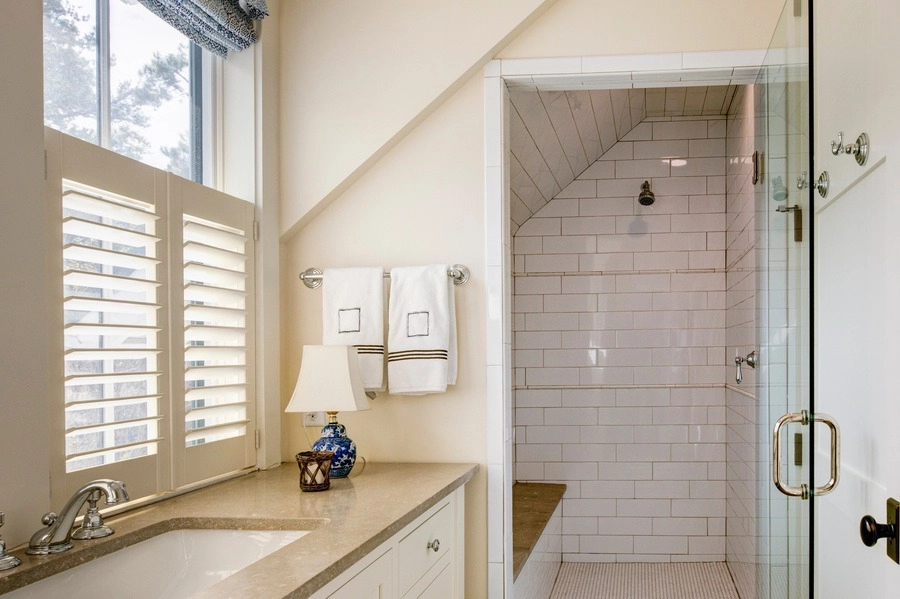
A curbless or low-curb shower, grab bars mounted on reinforced blocking (not just drywall anchors), a comfort-height toilet, and a floating or wall-mounted vanity with knee clearance underneath are the modifications that show up most in listings marketed as accessible. A curbless shower conversion runs $4,000 to $10,000 depending on waterproofing and tile work.
Appraisers value a kitchen primarily on materials, layout, and condition rather than accessibility features specifically, but pull-down shelving, lower counter sections, and voice- or lever-activated fixtures add to a kitchen's overall functionality score, which does factor into comparable-based value. These upgrades pair well with a broader kitchen remodel rather than as a standalone project.
Choosing the right custom stair handrail is a relatively low-cost upgrade, in the $800 to $2,500 range for a full staircase, that buyers notice during a showing and inspectors flag when it's missing or loose. Textured, secure hardware paired with proper wall-blocking makes the biggest functional difference, more than the finish or style chosen.
ADA standards are federal requirements for public accommodations and commercial buildings; a private single-family home is not subject to ADA compliance. Homeowners choosing accessible features are following universal-design best practices voluntarily, not meeting a legal requirement, which means there's flexibility in materials and layout that a commercial project wouldn't have.
Highlands Ranch, Centennial, Littleton, and parts of Aurora and Lakewood all have strong demand for ranch and patio-home inventory, driven by buyers prioritizing single-level living for any reason, from a bad knee to simply not wanting stairs. Browse current inventory at Explore Highlands Ranch and Explore Littleton.
Homes marketed with clear accessibility features, zero-step entry, wide doorways, a main-level bedroom and bath, tend to draw more showing requests because the feature set works for a broader range of buyers, not a narrower one. List these features explicitly in the listing description rather than leaving buyers to discover them during a tour.
Low-pile carpet, luxury vinyl plank, and sealed hardwood all work well for step-free movement and are easy to roll or wheel across; thick-pile carpet and loose area rugs create the most friction and trip risk. Flush thresholds between rooms, instead of raised transition strips, complete the step-free effect.
Increasingly, yes. Voice-activated lighting, video doorbells with two-way audio, and lever-style smart locks all reduce the physical effort needed to operate a home and are showing up alongside traditional universal-design features in Front Range remodels and new listings alike.
A complete package, zero-step entry, widened primary doorways, a curbless shower conversion, and reinforced stair handrails, runs $10,000 to $20,000 on an average Denver-metro home. Spreading the work across a broader remodel (new flooring, a bathroom update) lets contractors reuse the same demolition and permitting steps, which brings the per-item cost down versus tackling each upgrade separately.
Yes, more than most cosmetic remodels, because the buyer pool for a step-free, wide-doorway home is broader than the buyer pool for a specific paint color or tile trend. A five-year hold still captures most of the resale benefit, since these features read as functional improvements rather than a style choice that goes out of fashion.
Whether you're searching for a one-level home with the right layout already in place or pricing which accessible upgrades to make before you sell, the Kenna Real Estate Group can pull current Front Range listings and comps built around exactly these features. Call or text 303-955-4220. A live person answers. Not a robot, not a phone tree. Or search every home for sale in Colorado today.
Questions about any home in Colorado? Call or text 303-955-4220. A live person answers.
A zero-step entry, doorways at least 36 inches wide, lever-style handles, a curbless shower, and a main-level bedroom and bathroom are the core features.
$500 to $1,200 per doorway for a standard interior widening, more if the opening is in a load-bearing wall and needs a header.
Yes, particularly on ranch and patio homes. It costs $2,500 to $6,000 to convert a stepped entry and widens the pool of buyers who can use the home as-is.
A permanent attached ramp needs a building permit in most cases and can require HOA architectural review. Portable ramps do not need one in most cases.
No. ADA compliance applies to public accommodations and commercial buildings. A private home follows universal-design practices voluntarily, not a legal requirement.
$4,000 to $10,000 depending on waterproofing and tile work, and it's one of the bathroom features that shows up most in accessible-home listings.
Ranch-style, one-level homes command a real premium per square foot along the Front Range due to consistent demand and limited inventory.
Homes that clearly describe features like a zero-step entry and wide doorways in the listing tend to draw more showing requests, since the feature set works for a broader range of buyers.