New - 15 Mins Ago

.jpg)


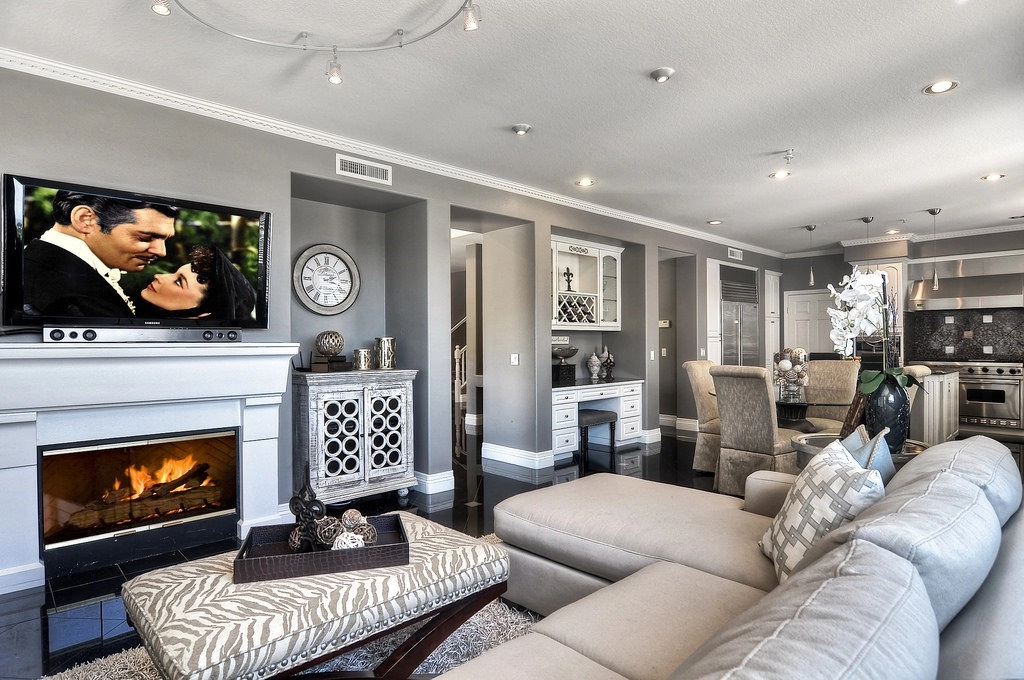
Home staging in the Denver metro means arranging furniture, decor, and lighting so a buyer can picture living in the home — and it consistently helps a listing sell faster and closer to asking price than an unstaged, cluttered version of the same house. It is not a substitute for pricing correctly or disclosing a home's real condition; it is a presentation step that happens after pricing is set and before photos are taken.
| Service level | Typical cost | Best for |
|---|---|---|
| Staging consultation only | $150 to $400 | Sellers who will do the work themselves |
| Partial staging (2 to 3 key rooms) | $800 to $2,500 for the listing period | Occupied homes that need photo-ready rooms |
| Full-home staging, vacant house | $2,500 to $6,000+ for the listing period | Empty homes and higher price bands |
Cost scales with square footage, how many rooms need furniture brought in, and how long the home stays on market — most staging companies bill for an initial period, commonly 30 to 60 days, with a monthly renewal fee if the home has not sold.
Staging does not change a home's appraisal, but it changes how many buyers show up to look and how they feel about the price once they are inside. A cluttered or vacant, unstaged home reads as a project in photos, which filters out buyers before a showing is ever scheduled. A well-staged home in Denver, Aurora, Lakewood, Littleton, Centennial, Colorado Springs, or Fort Collins competes on presentation with newly built and recently renovated listings, not just on price per square foot.
Bathrooms and secondary bedrooms matter, but in most cases need only a deep clean and a decluttered counter rather than a full staging pass.
Staging returns value at every price band, though the approach changes. An entry-level Front Range home benefits most from decluttering, a neutral paint refresh, and a light furniture rearrange — frequently without renting furniture at all. A move-up or luxury listing benefits from full vacant staging that fills the home with furniture scaled to the rooms; an empty luxury home photographs smaller and less finished than a furnished one.
| Price band | Staging approach | Typical spend |
|---|---|---|
| Under $500,000 | Declutter, depersonalize, neutral paint, furniture rearrange | $0 to $800 (mostly labor and paint) |
| $500,000 to $900,000 | Partial professional staging of 2 to 3 key rooms | $800 to $2,500 |
| $900,000 and up | Full or vacant staging across the main living areas | $2,500 to $6,000+ |
Denver, Aurora, and Colorado Springs listings in the entry-level band compete mostly on price and condition; Centennial, Littleton, and Lakewood move-up listings compete on presentation against newer inventory, which is where a fuller staging budget earns its keep.
Yes, for an occupied home. Decluttering, depersonalizing (packing away family photos and personal collections), a neutral paint pass, and a furniture rearrange that opens sightlines cover most of what a staging consultant would recommend. A one-time consultation, priced separately from full staging, gives a seller a room-by-room punch list without the cost of rented furniture.
A staging consultant walks every room with the seller and produces a written punch list: what furniture to remove, what to add, which walls need paint, and where lighting falls short. The walkthrough also flags anything staging cannot fix — a stained ceiling, worn flooring, or an outdated fixture that needs an actual repair or replacement rather than a styling trick. That distinction matters for budgeting: money spent on a real repair protects the sale price, while money spent staging around a real problem only delays the buyer noticing it at inspection.
Start staging prep 2 to 4 weeks before photos, longer if the plan includes painting or a furniture rental delivery. Decluttering and depersonalizing take the most calendar time; the final styling pass — flowers, towels, cleared counters — happens the morning of the photo shoot.
Yes. Vacant staging brings in rented furniture and decor to every key room, since an empty room photographs smaller and colder than a furnished one and gives buyers nothing to judge scale against. Occupied staging works with what is already in the home, removing and rearranging rather than adding — it costs less but depends on the seller's existing furniture being in reasonable condition and a style that will not distract buyers.
Staging changes presentation, not disclosure obligations. Colorado sellers still complete a seller's property disclosure covering known material defects, and staging a room to look bright and finished does not remove the duty to disclose a roof age, a past water issue, or a system that needs repair. Buyers who discover an undisclosed issue after closing can pursue a claim, so a seller should handle disclosure and staging as two separate steps, not one.
Listings with staged, well-lit photos get more online views and more scheduled showings than the same home shown cluttered or vacant, because most buyers filter listings by photos before reading a single detail. A staged primary living space and kitchen in the first three photos of a listing set the tone for how a buyer judges the rest of the home, even rooms that were not staged.
Colorado purchase contracts set an inspection objection deadline — a specific date by which a buyer must raise any inspection concerns in writing. Staging affects a buyer's first impression, not the inspection itself; a beautifully staged home with a deferred-maintenance issue still surfaces that issue at inspection, and a seller who addressed real repairs before listing, not just staged around them, sees fewer objections at that deadline.
The Kenna Real Estate Group walks every Front Range seller through a room-by-room staging plan matched to the home's price band, and can connect sellers with local staging professionals when full staging makes sense. Call or text 303-955-4220. A live person answers. Not a robot, not a phone tree. Ready to see what is on the market right now? Search every home for sale in Colorado.
Questions about any home in Colorado? Call or text 303-955-4220. A live person answers.
A consultation runs $150 to $400. Partial staging of key rooms runs $800 to $2,500 for the listing period; full vacant staging runs $2,500 to $6,000 or more.
No. Staging changes buyer perception and showing activity, not the appraisal, which is based on comparable sales and the home's condition and features.
The primary living space, kitchen, primary bedroom, and entry. These appear first in listing photos and carry the most weight with buyers.
No. Occupied homes with reasonable existing furniture can stage effectively with decluttering and rearranging. Vacant homes benefit most from rented furniture since an empty room photographs smaller.
Yes. Colorado's seller's property disclosure covers known material defects regardless of how the home is staged or photographed.
2 to 4 weeks, longer if painting or furniture rental delivery is part of the plan. Final styling happens the morning of the photo shoot.


