New - 10 Hours Ago
$160,000
Active
1
Beds
1
Baths
701
Sqft
--
Acres
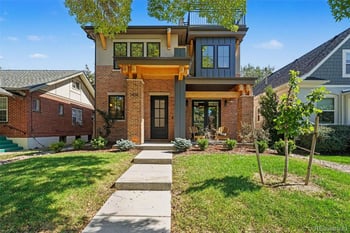
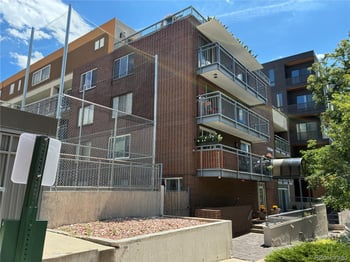
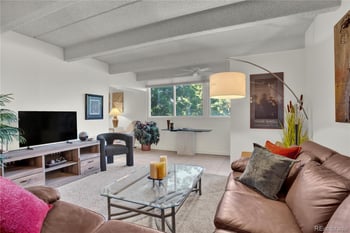
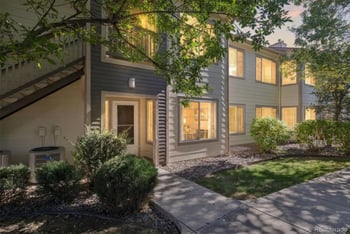
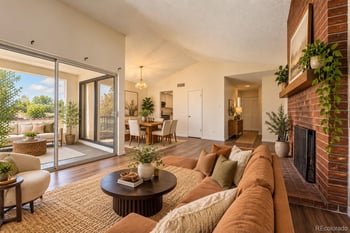
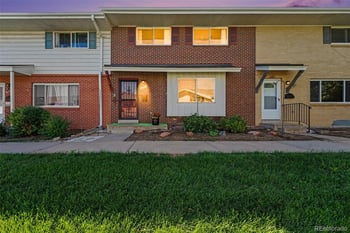
8555 Fairmount Dr #C104, Denver, CO 80247
MLS#: REC4913201
.jpg)


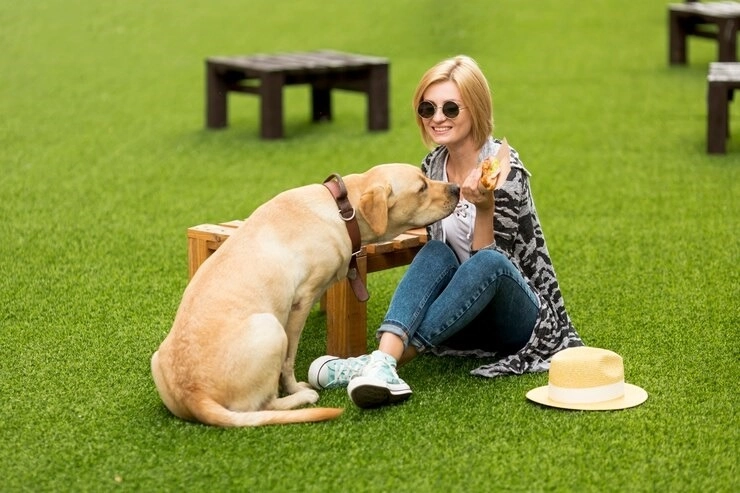
Pet-friendly synthetic turf answers one question for Denver-metro homeowners: how do you keep a usable, mud-free backyard for a dog when the Front Range gets under 16 inches of rain a year, six-plus months of that as snow, and a hard freeze-thaw cycle that tears up natural sod every spring? The short answer is drainage, infill, and a backing built for paws, not foot traffic alone — and the cost runs $9 to $18 per square foot installed in the Denver metro once you price in the extra drainage layer a pet lawn needs.
Standard landscape turf is built to look good under light foot traffic. Pet-friendly synthetic grass uses a different backing: a perforated or fully permeable base that lets liquid pass straight through instead of pooling on top, plus a denser stitch rate so digging and running don't flatten the blades. The infill underneath is the other half of the system — it's what actually carries odor away rather than trapping it.
Yes, and this is the biggest driver behind Front Range turf installs. A 500-square-foot natural lawn in Denver needs roughly 15,000 to 20,000 gallons of supplemental water a season once you're past the spring snowmelt. Turf needs none, which is why Denver Water, Aurora Water, and Castle Rock Water all list synthetic turf as an approved alternative under their landscape and drought ordinances. Many Front Range utilities also run turf-replacement rebates that pay $1 to $3 per square foot of removed natural sod — check your provider's current program before you sign a contract, since funding resets each budget year.
Most HOAs and metro districts along the Front Range now allow synthetic turf, but almost all of them require an architectural review submission first, and several cap how much of the front yard can be turf versus live plantings. Read your community's covenants before ordering material, and check the Denver HOA rules and fees guide for how long architectural review takes. Communities inside a metro district route drainage changes through the district's engineer, separate from the HOA's design approval.
UV intensity at altitude is roughly 25% higher than at sea level, and turf surface temperature on a 90-degree August afternoon can run 40 to 60 degrees hotter than the air around it. Look for turf with a lighter-toned blend of green tones (darker fiber absorbs more heat) and a cooling infill additive; several manufacturers now sell a coated sand or zeolite infill rated to knock 15 to 25 degrees off peak surface temperature. Shade structures over the highest-traffic pet zone make a bigger difference than any infill choice.
Odor comes from urine sitting in the infill, not from the turf fibers themselves. A permeable backing paired with a zeolite or antimicrobial infill and a quick hose-down two to three times a week resolves most odor complaints. Owners with more than one dog on a small lawn should budget for an enzyme cleaner treatment monthly through the warmer months, when bacteria growth speeds up.
Most Denver-metro soil is expansive bentonite clay, which drains slowly and swells when wet. A turf base built for clay needs 3 to 4 inches of compacted road base and a perforated drain layer, versus the 2-inch base sometimes used in sandier climates. Skipping this step is the single most common reason a pet turf installation fails within two years — standing liquid under the turf is what produces the odor and soft spots homeowners complain about.
Budget $9 to $14 per square foot for a standard install and $14 to $18 per square foot for a full pet system with permeable backing, extra drainage, and antimicrobial infill. A 500-square-foot backyard section runs roughly $4,500 to $9,000 installed. DIY kits run $3 to $6 per square foot in materials, but the base preparation on clay soil is the part most homeowners underestimate.
Installing turf itself does not require a building permit in Denver, Aurora, or Colorado Springs, since it's a landscape surface change, not a structure. A grading or drainage permit can come into play if the project changes how water moves toward a neighboring property or a public right-of-way — check with your city's public works department before regrading a slope of more than a few inches.
Quality pet turf is rated for 12 to 18 years, and Colorado's freeze-thaw cycle doesn't shorten that much as long as the base drains properly — standing water that freezes and expands under the turf is what causes heaving. Mag chloride tracked in from winter roads can dull turf color near driveways and gates; a seasonal rinse keeps it from building up.
Buyer reaction is mixed and price-point dependent. In starter and mid-range Denver-metro homes, a well-installed pet turf backyard is a selling point — low water bills and a mud-free yard show well in listing photos. In higher-priced neighborhoods where buyers expect mature landscaping, turf can read as a downgrade unless it's paired with real trees and planting beds. Ask your agent for neighborhood-specific feedback before betting on turf as a value-add; see the preparing and adding value before selling guide for what actually moves a Front Range sale price.
Turf holds up far better than natural landscaping in hail. Blades can bend or mat down temporarily after a heavy hail event and spring back once brushed; the backing and infill underneath aren't affected. The bigger hail risk to a Colorado yard is the roof and gutters above it, not the lawn.
Zeolite infill absorbs ammonia from urine and is the standard choice for pet lawns. Antimicrobial-coated silica sand is a lower-cost alternative that needs more frequent rinsing. Crumb rubber infill is the cheapest option but holds heat and odor worse than either — most Front Range installers steer pet-owner clients away from it.
Ask the installer for the manufacturer's material data sheet and confirm the turf is non-toxic and free of lead-based stabilizers, since paws and noses spend a lot of time at ground level. Reputable Front Range installers can produce this documentation on request; if a quote won't, get a second bid.
Denver, Aurora, Castle Rock, Highlands Ranch, and Colorado Springs all run seasonal watering schedules that limit sprinkler days per week, and several have raised tiered water rates for high summer usage. Turf sidesteps both. Explore what's happening in specific submarkets at Explore Aurora and Explore Castle Rock.
Turf makes sense for a dedicated dog run or a small play lawn; xeriscape with native, low-water plantings makes more sense for the rest of the yard. Most Front Range installers now combine the two — turf for the pet zone, drought-tolerant beds everywhere else. The xeriscaped homes in Colorado buyer's guide covers how buyers and appraisers view a converted yard.
This is where pet turf earns its cost back fastest. March and April snowmelt turns an unprotected Front Range yard into standing mud for weeks; a properly drained turf system sheds that water within hours and keeps paws (and floors) clean through the wettest stretch of the year.
Rinse weekly during warm months, brush the fibers against the grain every few weeks to keep them upright, and remove solid waste daily the way you would on a natural lawn. Beyond that, there's no mowing, no seeding, and no sprinkler repair bill.
Whether you're pricing a turf install before listing a Denver-metro home or looking for your next house with a yard that already works for a dog, the Kenna Real Estate Group can pull comps on what backyard upgrades actually return at your price point. Call or text 303-955-4220. A live person answers. Not a robot, not a phone tree. Or search every home for sale in Colorado right now.
Questions about any home in Colorado? Call or text 303-955-4220. A live person answers.
Yes. A 500-square-foot natural lawn in the Denver metro uses roughly 15,000 to 20,000 gallons of supplemental water a season; turf uses none once it's installed.
Budget $9 to $14 per square foot for a standard pet system and $14 to $18 per square foot with full drainage and antimicrobial infill. A 500-square-foot yard runs roughly $4,500 to $9,000.
No permit is needed for the turf itself in most cases. A grading or drainage permit can apply if the project changes how water moves toward a neighbor's lot or the street.
Most Front Range HOAs allow it but require an architectural review submission first, and some cap how much of the front yard can be turf. Check your covenants before ordering material.
Surface temperature can run 40 to 60 degrees hotter than the air on a 90-degree day because of high-altitude UV. Lighter-toned fiber and a cooling infill additive reduce that.
Only if liquid pools instead of draining. A permeable backing with zeolite infill and a weekly rinse prevents most odor complaints.
12 to 18 years for a quality install, as long as the base drains properly. Standing water that freezes underneath is what causes heaving.
In starter and mid-range Denver-metro homes, a well-installed pet lawn is a selling point. In neighborhoods where buyers expect mature landscaping, pair it with real trees and beds rather than covering the whole yard.