New - Just Now

.jpg)


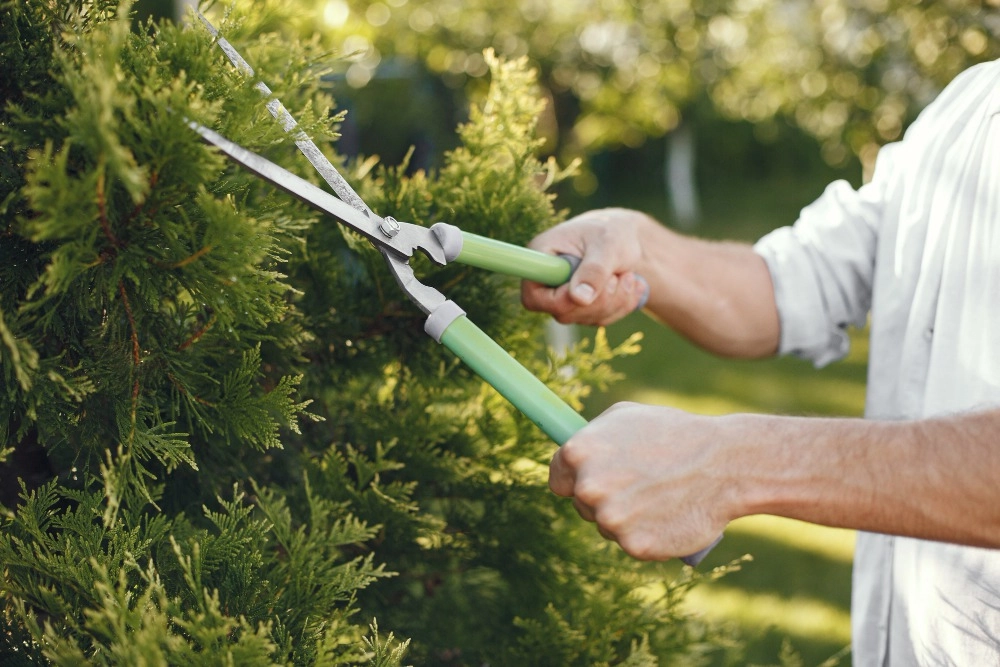
Landscaping is one of the highest-return, lowest-cost upgrades available before selling a Front Range home, not because any single plant adds a specific dollar amount, but because a maintained, well-designed yard changes how a buyer judges the whole property in the first thirty seconds. The connection between landscaping and property value on the Front Range comes down to three things: curb appeal, usable outdoor space, and signals of maintenance.
Real estate research consistently ranks landscaping among the top return-on-cost projects a seller can make, ahead of most interior cosmetic updates, because the cost is modest and every buyer sees it before anything else. The honest answer is that landscaping rarely shows up as its own line item on an appraisal; its value shows up in faster offers, fewer buyer objections, and a stronger first impression that supports the asking price.
Fresh mulch and clean bed lines, a mowed and edged lawn, foundation plantings that frame the entry, and a functional patio or deck consistently return the most relative to their cost. Big, elaborate garden installations return less per dollar than these basics, because most buyers value a clean, low-upkeep yard over an intricate one they will have to maintain themselves.
| Upgrade | Typical cost | Relative return |
|---|---|---|
| Mulch, edging, mowing refresh | $150 to $500 | Highest return per dollar spent |
| Foundation plantings | $500 to $2,500 | High, especially on a bare new-build lot |
| Patio or walkway | $3,000 to $12,000 | Medium to high, adds usable outdoor space |
| Full xeriscape conversion | $8,000 to $18,000 | Medium, higher where water-wise design is expected |
| Elaborate specialty garden | $5,000+ | Lower relative return; niche buyer appeal |
Yes. A mature shade tree does more for a property's curb appeal and summer comfort than almost any other single landscape feature, and Front Range buyers notice the difference between a bare new-build lot and an established one with canopy. Established trees take years to grow, which is exactly why they carry weight with buyers who do not want to wait for that value to develop themselves.
A mature, well-designed xeriscape increases value with most Front Range buyers now that water costs and turf limits are common knowledge; a patchy or half-finished conversion can read as unfinished work and hurt the first impression instead. Give the beds at least one full growing season to establish before listing, and keep the receipts for the design and installation work.
Yes, because they extend the usable square footage of the property in a way plants alone cannot. A patio that reads as an extension of the living space, especially one connected to the kitchen or a family room, competes directly with interior renovation dollars for return, and at a lower cost per square foot than an interior remodel in most cases.
It affects perception more than appraised value directly: lighting extends how long the yard is usable in the evening and makes a home photograph and show better for evening or early-morning tours common in a competitive market. Path lighting and uplighting on a mature tree or architectural feature are the highest-impact, lowest-cost lighting additions.
Appraisers weigh landscaping as part of overall condition and curb appeal rather than assigning a specific dollar figure to a tree or a flower bed. A neglected yard can pull down the condition rating on the appraisal the same way peeling paint or a worn roof would; a maintained yard supports the condition rating the rest of the home earns.
Yes, more directly than most sellers expect. Overgrown shrubs blocking windows, a lawn full of bare and weedy patches, and beds with no edging or mulch all read as deferred maintenance, and buyers extend that assumption to the rest of the home before they walk in the door. It is one of the few pre-listing fixes that costs little and removes an objection almost entirely.
Yes, this is the core of the value connection. Buyers form a maintenance judgment about a home from the yard before they see the roof, the furnace or the water heater, and that first judgment colors how they read every room that follows. A clean exterior earns the benefit of the doubt on everything else during a showing.
The most common: skipping mulch and edging before photos, leaving dead or dying plants in place instead of removing them, letting a xeriscape conversion sit half finished, and ignoring drainage issues that show up as standing water or erosion near the foundation. Each is inexpensive to fix and expensive to ignore once a buyer notices it during a showing.
A fenced yard widens buyer appeal, particularly to households with pets, and costs $2,500 to $6,000 for an average lot. It rarely returns its full cost as a stand-alone line item but removes an objection for a meaningful share of Front Range buyers, similar to how landscaping works overall.
Landscaping returns more per dollar spent than most interior cosmetic projects because the cost is lower and the visibility is higher. A kitchen remodel costs many times more than a full landscaping refresh and does not get seen until a buyer is already inside and already engaged; landscaping is the first thing every single buyer sees, whether they tour the home or just drive by.
Before, if the yard needs real work. Handle mulch, mowing, edging and any dead plant removal at least two to three weeks ahead so it looks established rather than freshly staged when the appraiser walks the property along with prospective buyers.
Yes, in a way that goes beyond curb appeal. A yard out of compliance with HOA rules, an unapproved fence color, turf removed without a submitted plan, materials the covenant does not allow, can hold up closing or trigger a violation notice that a buyer's title company flags during the sale. Confirm the yard is in compliance before you list, not after an offer is already in hand and the closing timeline is on the line.
Sometimes. A metro district can layer its own landscaping standards and fees on top of whatever the HOA or city requires, particularly for front-yard turf and irrigation in newer Front Range communities. Buyers in metro-district neighborhoods regularly ask about these rules directly during a showing, so having the district's landscaping guidelines on hand answers the question before it becomes a hesitation.
The Kenna Real Estate Group can pull comparable sales showing what landscaping condition has meant for recent listings in your neighborhood and tell you where your pre-listing dollars go furthest. Ask for the printable pre-listing checklist in the form below and we email it the same day. Call or text 303-955-4220. A live person answers. Not a robot, not a phone tree. Or search every home for sale in Colorado right now.
Questions about any home in Colorado? Call or text 303-955-4220. A live person answers.
It rarely shows up as its own appraisal line item, but it drives faster offers and fewer buyer objections, which supports the asking price more than any single plant or feature does on its own.
Fresh mulch and clean bed lines, a mowed and edged lawn, foundation plantings, and a functional patio return the most relative to their cost.
Yes. Established canopy takes years to grow, and Front Range buyers notice and value the difference between a bare new-build lot and one with mature trees.
Yes. Overgrown shrubs, bare or weedy patches and missing mulch read as deferred maintenance, and buyers extend that judgment to the rest of the home before they walk in.
A mature, established xeriscape reads as an upgrade to most current buyers; a half-finished conversion reads as unfinished work, so give it a full growing season before listing.
As part of overall condition and curb appeal rather than a specific dollar figure per plant. A neglected yard can pull down the condition rating the way a worn roof would.
Per dollar spent, landscaping returns more in most cases because the cost is lower and every buyer sees it, including those who only drive by, while an interior remodel is only seen once someone tours the home.
At least two to three weeks before listing photos and any appraisal so mulch settles and the yard looks established rather than freshly staged.