New - 30 Mins Ago

$1,100,000
Active
6
Beds
5
Baths
4954
Sqft
0.385
Acres
5830 Broadmoor Bluffs Dr, Colorado Springs, CO 80906
MLS#: 9296658
.jpg)


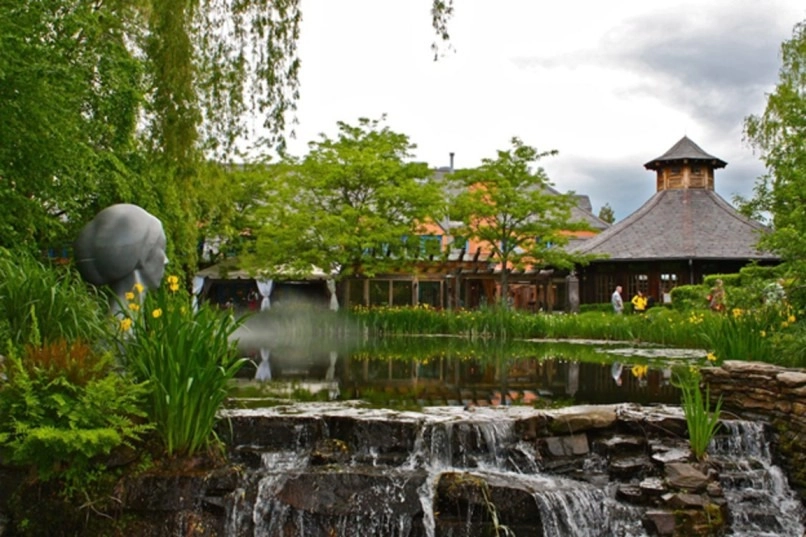
Xeriscape conversions, foundation planting, landscape lighting and fresh mulch return the most per dollar spent of any landscaping project on the Front Range, because Denver metro, Aurora and Colorado Springs buyers judge curb appeal against a home's expected water bill, not just its color. A $3,000 to $6,000 landscaping refresh done right shows up in a listing's first-week showing count more reliably than a similarly priced interior update.
Colorado's semi-arid climate and Denver Water's summer watering rules mean buyers price in irrigation cost when they look at a lawn. A landscaping project that lowers water use while improving curb appeal returns more than one that simply adds green square footage, because it solves a cost problem the buyer already expects to face.
A seller who treats landscaping as a cost-reduction feature, not a decoration, tells a more convincing story during a showing than one who simply points to fresh plants without explaining what they save the next owner each month.
Replacing a thirsty front lawn with blue grama grass, mulch beds and drought-tolerant natives runs roughly $3 to $8 per square foot and pays back a large share of that cost at resale in Denver, Aurora and Colorado Springs, where buyers increasingly ask about water bills during a showing. A documented, professionally installed xeriscape bed reads as a finished feature rather than a construction project in progress.
Fresh mulch and clean bed edges cost a few hundred dollars and change how every other landscaping feature on the property reads in listing photos. Mulch also holds moisture in Colorado's thin, clay-heavy topsoil between the limited watering days utilities allow, so it does double duty as a cost-saver and a curb-appeal fix.
Path lighting and uplighting on trees or architectural features let a listing show well for evening showings, which matter on the Front Range where many buyers tour after work. Low-voltage LED systems run on a fraction of the electricity older halogen lighting used and hold up to Colorado's temperature swings better than solar-only fixtures.
Bentonite-heavy clay under most Front Range lots needs soil amendment before new plantings go in, or the investment fails within a season or two. A soil test and amended planting beds cost little compared with the plants themselves and protect the rest of the landscaping budget.
Keep new plantings and irrigation lines several feet clear of the foundation itself, since consistent watering right against the house is one of the more common causes of the soil movement that cracks a Front Range slab over time.
Denver, Aurora, Lakewood, Littleton, Colorado Springs and Fort Collins skip the permit requirement for planting beds or mulch, but retaining walls over a set height, irrigation system changes tied to a water meter, and any structure like a pergola do need one. Check your HOA's architectural review requirements before a full front-yard redesign, since many require a plan submission even for xeriscape conversions.
The frost-free planting window on the Front Range runs from around Mother's Day through late September, so a landscaping project timed for a spring or early summer listing has the best chance to establish before the first fall frost. A project started too late in the season shows thin, unestablished plantings in listing photos.
Elaborate water features, oversized lawns that fight Denver Water's rules, and non-native plantings that need daily watering cost more in upkeep than they add to a sale price. Buyers on the Front Range reward landscaping that looks intentional and low-maintenance over landscaping that looks expensive to keep alive.
A vertical garden or living wall adds green square footage on a narrow Denver or Aurora lot without competing for the water an in-ground bed needs, and it reads as a design feature rather than routine landscaping in listing photos. It works best on a shaded or partially shaded wall, since full Colorado sun dries a vertical planting medium faster than a bed with soil depth.
A weather-based smart irrigation controller adjusts watering automatically for wind, temperature and recent rainfall, which matters on the Front Range where a fixed timer wastes water on a cool day and under-waters on a hot, windy one. Retrofitting an existing sprinkler system with a smart controller costs a few hundred dollars and qualifies for a rebate through Denver Water or several Front Range municipal utilities.
Agents pricing a Front Range listing weigh finished, low-water landscaping as a factor that shortens time on market more than one that adds a specific dollar figure to the appraisal, since comparable sales data rarely isolates landscaping as its own line item. A seller deciding between a landscaping project and another upgrade should ask an agent which one buyers in that specific price bracket and city are asking about most.
A licensed landscape designer costs more upfront than a DIY weekend project, but brings knowledge of Colorado's clay soil, elevation-specific plant hardiness and HOA submission requirements that a first-time DIY landscaper learns the hard way, after a failed planting or a rejected architectural review submission. A hybrid approach, paying a designer for a plan and handling the installation labor personally, splits the cost while still avoiding the most common Front Range landscaping mistakes.
A late frost after an early warm stretch damages tender new growth on plants pushed to bud too soon, which is why Front Range gardeners wait for the frost-free window to open around Mother's Day before planting anything tender. Hardy natives such as penstemon and yarrow tolerate a surprise cold snap far better than annuals or young perennials, which makes them a lower-risk choice for a landscaping project timed close to a spring listing date.
A frost cloth or row cover kept on hand during the first weeks after planting protects a newly installed bed from a late cold snap without the cost of replacing damaged plants a week before a scheduled photo shoot.
The Kenna Real Estate Group tells Front Range sellers exactly which landscaping projects are worth the spend before a listing goes live, based on what buyers in that price range and city are actually asking for. Call or text 303-955-4220. A live person answers. Not a robot, not a phone tree. Or search every home for sale in Colorado to see how finished landscaping shows in current listings.
Questions about any home in Colorado? Call or text 303-955-4220. A live person answers.
A xeriscape conversion of the front lawn returns the most relative to cost in most Denver metro and Colorado Springs markets, because it lowers the water bill a buyer expects to pay while improving curb appeal.
A professionally installed xeriscape conversion runs roughly $3 to $8 per square foot depending on plant selection, soil prep and irrigation, with some Front Range water districts offering turf-replacement rebates.
Planting beds and mulch do not need a permit in most cities. Retaining walls over a set height, irrigation changes tied to the water meter, and structures like pergolas do.
Start in spring, once the frost-free window opens around Mother's Day, so plantings have a full growing season to establish before photos and showings begin.
Yes. Low-voltage LED path and uplighting let a Front Range listing show well for evening showings, which is when many working buyers tour.
Large water features, oversized lawns that conflict with Denver Water's summer rules, and non-native plants that need daily watering cost more in upkeep than they add to the sale price.


