New - Just Now

.jpg)


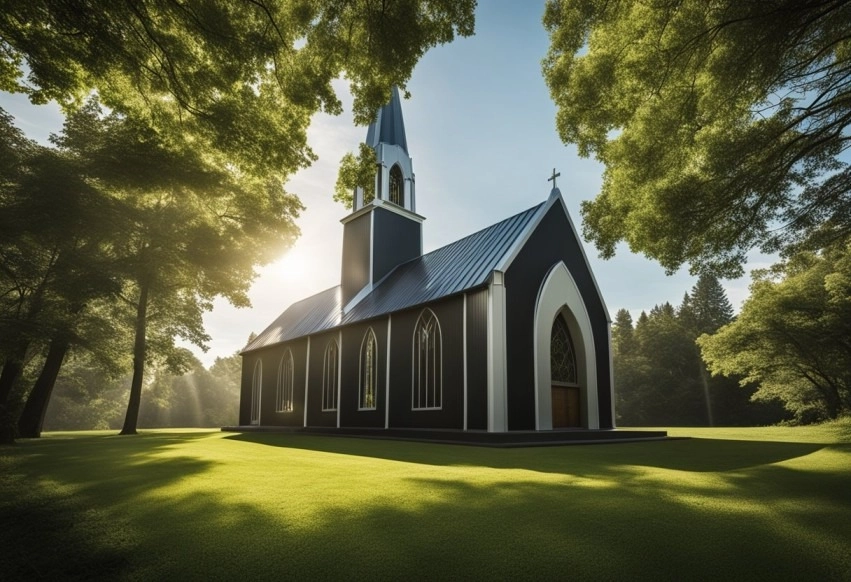
Prefabricated steel construction cuts both the price and the timeline for a Colorado congregation building new, and its resistance to hail and heavy snow load makes it a practical match for the Front Range and foothills climate. Here is the real cost comparison and the buy-vs-lease decision behind it.
Steel components are manufactured off-site to precise specifications and shipped for assembly, which cuts labor hours and shortens the construction calendar compared with traditional wood or masonry construction. For a faith-based organization funding a building through donations and a construction loan, a shorter timeline reduces months of carrying costs and temporary rented space.
Steel's cost advantage comes from three places: less on-site labor, fewer weather-related delays, and lower long-term maintenance. Colorado's construction season is shortened by winter weather at higher elevations, and a prefabricated structure loses fewer working days to snow and cold than a project dependent on poured concrete curing and exterior framing in the field. Get current per-square-foot bids from at least two Colorado steel building contractors and two traditional builders before comparing numbers — costs vary by county, site condition, and finish level, so a specific bid is the only reliable number.
Steel roofing and framing resist the denting and cracking that hail causes on asphalt shingle and some masonry systems, which matters directly in a state with a hail season that runs from spring into early fall. Steel framing is also engineered to the snow-load requirements in the Colorado-adapted building code, an important spec above 7,000 feet and in mountain and foothills jurisdictions where snow load requirements exceed Denver-metro minimums. Steel's non-combustible composition also adds fire protection compared with wood framing, which is a factor for both insurance underwriting and the local fire marshal's review.
Once permits are approved and the foundation is poured, erecting the steel shell commonly takes weeks rather than months, with interior build-out running in parallel. Total project timeline still depends on permitting, utility hookups, and interior finish scope — a congregation should build a full-project schedule with its contractor, not just an erection estimate.
Commercial and assembly-zoned land pricing varies widely by city and access — a parcel near a Denver arterial road costs meaningfully more per acre than comparable land in Weld or Elbert County. Review current listings and recent commercial sales at the Colorado real estate investing guide before setting a land budget, and get a written site comparison across two or three candidate cities rather than pricing only one location.
| Buy and build (steel) | Lease existing space | |
|---|---|---|
| Upfront cost | Highest, land plus construction | Lowest, security deposit and buildout allowance |
| Monthly cost over 10+ years | Lower once the loan is paid down | Rises with each lease renewal |
| Control over space and future expansion | Full control | Limited by landlord and lease terms |
| Best fit | A congregation with stable, growing attendance and committed capital | A newer or smaller congregation still establishing itself |
A congregation weighing both paths should run a 10-year total cost comparison, not just a first-year number — ownership commonly wins on cost over that horizon, while leasing wins on flexibility in the first few years. See the Denver commercial real estate market: pros, cons, types, and the buying or leasing process for the full comparison.
Expect a building permit, a site plan or development review, a fire marshal review specific to assembly occupancy, and utility connection permits, with requirements set independently by each city or county. Parking minimums, setback rules, and occupancy limits for assembly use differ from city to city along the Front Range, so confirm the specific package with the jurisdiction's planning department before finalizing a site design.
Yes, on land inside a metro district, an additional mill levy applies on top of the standard county property tax, funding infrastructure like roads and utilities that serve the development. Check whether a candidate parcel sits inside a metro district boundary before finalizing a purchase — see the Denver special district and metro district tax guide for how that additional cost is calculated.
Most Colorado municipalities allow a place of worship as a permitted or conditional use in residential, mixed-use, and commercial zoning categories, though the specific category and any conditions vary by city. A conditional use permit commonly adds a public hearing and neighbor notice step to the timeline, so build that into the project schedule from the start rather than discovering it mid-process.
Insulated steel panel systems perform well against Colorado's wide daily temperature swings and intense high-altitude sun, and metal roofing reflects summer heat more effectively than dark asphalt shingle. Xcel Energy and several Colorado municipal utilities offer commercial efficiency rebates that can offset part of the cost of a higher-efficiency insulation or HVAC package — ask the contractor to quote both a baseline and a rebate-eligible package.
Yes, steel framing systems are designed for straightforward horizontal expansion, and many congregations plan a phase-one sanctuary with a clear expansion bay built into the original structure. Planning the expansion footprint into the initial site plan and permit avoids a second full permitting cycle later.
Options include a conventional commercial mortgage, an SBA 504 loan for owner-occupied nonprofit and commercial property in some structures, a denominational loan fund where one exists, and capital campaign funds paired with a construction loan. For financing questions on any Colorado property purchase, Mike Oswald at Rate (NMLS 261003, Equal Housing Lender) is a resource the Kenna Real Estate Group's clients use; you are free to use any lender. Start at the Colorado home financing guide.
Steel framing does not rot, and it resists the insect damage that affects wood framing, which lowers long-term structural maintenance. Exterior steel panel systems also hold their finish longer than some siding materials before repainting is needed, reducing exterior maintenance cycles over the life of the building.
Cities set a parking minimum tied to assembly-space square footage, and a site that cannot meet that minimum on its own lot needs either a variance or a shared-parking agreement with a neighboring property, both of which add time to the approval process. Confirm arterial road access and turn-lane requirements early, since a Colorado Department of Transportation or county access permit can add months if the site sits on a state highway.
Steel commercial buildings hold resale and lease value well, in most markets, because of their low maintenance profile and long structural life, and assembly-zoned property in growing Front Range counties has seen strong long-term demand as the population grows. Get a current commercial appraisal or broker opinion of value before assuming a specific resale number, since commercial valuation depends heavily on location and zoning at the time of sale.
The Kenna Real Estate Group helps Colorado organizations compare land, zoning, and buy-versus-lease numbers before committing to a site for a new building. Call or text 303-955-4220. A live person answers. Not a robot, not a phone tree. Or start now and search every home for sale in Colorado.
Questions about any home in Colorado? Call or text 303-955-4220. A live person answers.
In most comparisons, yes, driven by less on-site labor, fewer weather delays, and lower long-term maintenance. Get bids from at least two contractors before setting a budget, since exact savings vary by site and finish level.
Yes. Steel roofing and framing resist the denting and cracking that hail causes on asphalt shingle and some masonry systems, which matters across a hail season that runs from spring into early fall.
Buying and building costs more upfront but is commonly cheaper over a 10-year horizon once the loan is paid down. Leasing costs less at first and offers more flexibility for a newer organization.
A building permit, site plan or development review, a fire marshal review for assembly occupancy, and utility connection permits, with the exact package set by the specific city or county.
Yes, on parcels inside a metro district boundary, an additional mill levy applies on top of the standard county property tax.
Yes. Steel framing supports straightforward horizontal expansion, and planning the expansion bay into the original site plan avoids a second full permitting cycle.
Options include a conventional commercial mortgage, an SBA 504 loan in some ownership structures, a denominational loan fund, and capital campaign funds paired with a construction loan.