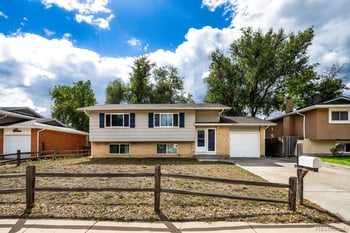
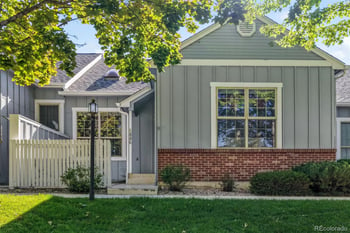
New - 1 Hour Ago
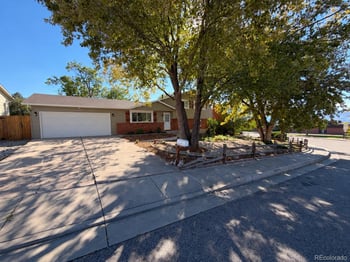
$425,000
Coming Soon
4
Beds
3
Baths
1691
Sqft
0.18
Acres
6135 Sapporo Dr, Colorado Springs, CO 80918
MLS#: REC5623806
.jpg)



A ready-to-assemble steel storage building on Colorado acreage runs $10,000 to $45,000 installed depending on size, and most county jurisdictions require a building permit before the slab goes in. For buyers and owners of Front Range farm and equestrian property, the building itself, the permit and the site prep all factor into what the property is worth.
A basic 30x40 kit runs $10,000 to $18,000 for materials, with professional assembly and a concrete slab adding another $8,000 to $15,000. Larger 50x100 buildings for equipment storage or a shop run $35,000 to $60,000 fully installed. Prices across Douglas, Arapahoe and Weld counties track close to national averages; delivery adds more for properties past the edge of the metro. Suppliers of pre-engineered steel storage buildings can price a kit to your county's snow and wind load requirements before you order.
Almost always, yes. Douglas County, El Paso County, Weld County and most Front Range municipalities require a building permit for any structure over 120 to 200 square feet, and larger agricultural buildings need engineered plans stamped for Colorado's snow-load and wind-load requirements. Check with the county building department before ordering a kit, since permit timelines run two to eight weeks depending on the jurisdiction.
A permitted, well-sited steel building adds real value on horse and hobby-farm property, where buyers actively look for equipment storage, hay storage or barn space. An unpermitted structure, by contrast, can hold up a sale: buyers' lenders and title companies flag structures that don't match county records, and the seller ends up permitting after the fact under time pressure.
Colorado's hail season runs from spring through September, and steel roofing rated for impact resistance holds up far better than asphalt shingles or fiberglass panels. Look for a 26-gauge or heavier steel panel and a manufacturer rating built for the Front Range hail belt, which runs roughly from Colorado Springs north through Denver and up toward Fort Collins.
Snow load requirements vary by county and elevation; mountain and foothills properties need a higher engineered load rating than plains properties east of I-25. A reputable steel building supplier engineers the frame to the specific load requirement for your address, not a generic national standard, so confirm the engineering matches your county's requirement before signing.
A small crew can assemble a pre-engineered kit in three to seven days once the foundation has cured, compared with weeks for a stick-built pole barn. Site prep, permitting and the concrete cure time add several more weeks ahead of assembly, so plan on six to ten weeks from order to finished building for a standard project.
A 30x40 building covers a tractor, an ATV, hay for a handful of horses and general equipment storage. Operations running larger equipment, more than a few horses, or both crop and livestock storage need 40x60 or larger, with separate bays for machinery and feed. Size the building for growth: adding a bay later costs more than building it into the original footprint. A building sized for a tractor, an ATV and one piece of heavy machinery today rarely has room for a second piece added down the road.
A concrete slab is standard for anything storing vehicles or heavy equipment, both for load-bearing reasons and to keep moisture out. Smaller buildings for hay or general storage can sometimes sit on a gravel pad with a vapor barrier, but check what your county permit requires before skipping the slab.
Colorado's low humidity is easier on stored equipment than a humid climate, but temperature swings between hot days and cold nights still stress engines, seals and stored grain if the building isn't ventilated. Ridge vents or gable vents keep air moving and reduce condensation on cold mornings, which protects both equipment and any wood-frame components inside.
Yes, and a permitted, engineered building is easier to insure than one built without permits or engineering records. Ask your insurer whether the structure needs to be scheduled separately from the main homeowners policy; agricultural outbuildings carry their own coverage limits for equipment and livestock stored inside on most policies.
A pole barn uses wood posts set in the ground with steel or wood siding; a pre-engineered steel building uses a steel frame bolted to a foundation. Steel frames resist warping, rot and pests better over decades, while pole barns cost less upfront in most cases. For long-term equipment or hay storage, the steel frame's lower maintenance wins out over the lifespan of the building.
Some do, especially on properties inside a metro district or a planned community with covenants written for smaller lots. Rural acreage outside a covenant-controlled subdivision has far more flexibility, but always check recorded covenants and metro district rules before ordering a building, since a structure that violates covenants faces removal even with a county permit in hand.
Ask for permit records on every outbuilding, not just the main barn. Unpermitted additions are common on older acreage properties and become the buyer's problem to resolve after closing. A local agent who works equestrian and acreage listings regularly can pull county permit history before you write an offer.
Yes, with the right engineering from the start. Insulation, electrical service and interior framing can all be added to a pre-engineered steel shell, but it's far cheaper to plan for that conversion before the slab is poured than to retrofit later. Tell the supplier upfront if the building will become a workshop, guest space or expanded barn later. Colorado acreage listings and buyer guidance are also available directly at KennaRealEstate.com.
Used steel buildings sell for 30% to 50% less than new kits but come without engineering documentation, which most counties require before issuing a permit for reassembly. Get the original engineering stamp from the seller, or budget for a new engineering review, before buying used steel for a permitted structure on Colorado land.
The Kenna Real Estate Group works Front Range acreage, horse property and rural land year-round and knows which outbuildings add value and which permit issues slow down a closing. Call or text 303-955-4220. A live person answers. Not a robot, not a phone tree. Ready to see what's on the market? Search every home for sale in Colorado.
Questions about any home in Colorado? Call or text 303-955-4220. A live person answers.
Materials alone run $12 to $20 per square foot for a basic kit; installed cost with a slab and assembly runs $20 to $35 per square foot depending on size and site conditions.
Yes, structures over the county's minimum size threshold need engineered plans stamped for Colorado snow and wind loads before a permit is issued.
It can. Title companies and lenders flag structures that don't match county records, so sellers need to permit the building or disclose the issue before closing.
26-gauge steel or heavier, with a manufacturer impact rating, holds up better than lighter panels in the hail belt running from Colorado Springs to Fort Collins.
Some construction and land loans cover outbuildings when they're included in the purchase or renovation scope; ask your lender before assuming it's automatic.
Yes. Ridge or gable vents reduce condensation from temperature swings between hot days and cold nights, protecting equipment and any wood components inside.
A licensed inspector or structural engineer can review the building's permit history and condition; ask your agent to request county permit records as part of due diligence.
Start with the Colorado Horse Property Buying Guide, then search every horse property for sale in Colorado.
Buying or selling horse property in Colorado? Call or text 303-955-4220. A live person answers. Not a robot, not a phone tree.