New - 1 Day Ago

$1,350,000
Active
4
Beds
4
Baths
3850
Sqft
2.37
Acres
7506 S Telluride Ct, Centennial, CO 80016
MLS#: 4373722
.jpg)


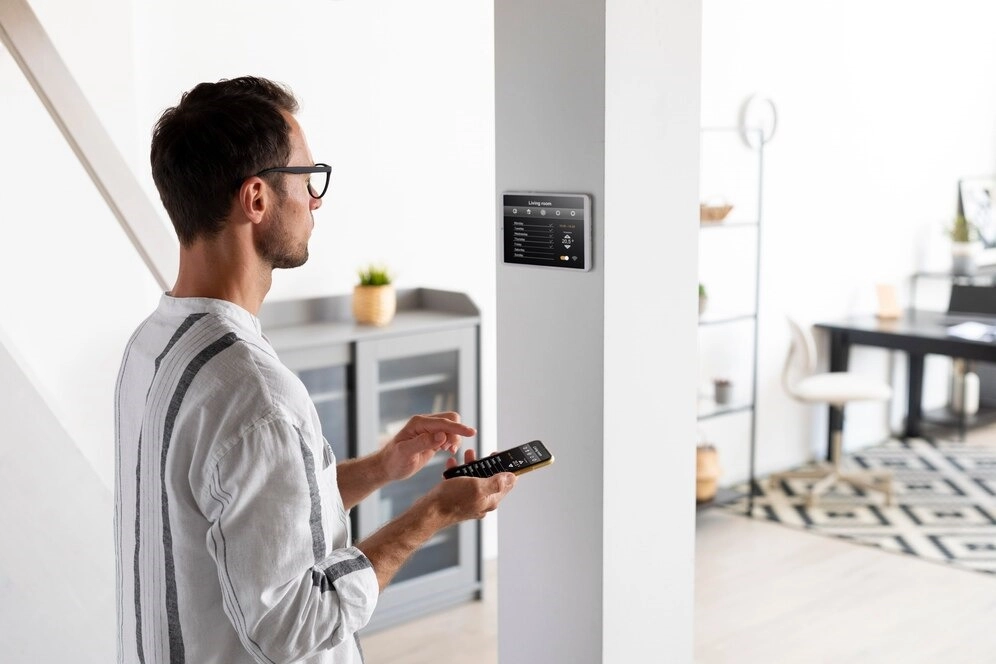
Motorized window shades pay for themselves on a Front Range home in two ways: they block the west sun that fades floors and upholstery, and they show up as a feature line in the listing photos buyers screenshot. In a market where afternoon glare off the mountains hits west-facing rooms hard, a shade that closes on a schedule is not a gadget. It is a maintenance decision.
Denver averages roughly 300 sunny days a year, and at 5,280 feet the UV index runs higher than at sea level for the same sun angle. West-facing rooms in Aurora, Lakewood, Littleton and Centennial take direct, low-angle sun for two to four hours every afternoon for most of the year. That light bleaches hardwood floors unevenly, fades rug dye, and breaks down upholstery fabric faster than the same sun would in a cloudier climate.
A motorized shade set on a timer closes before the worst of that exposure and opens again once the sun has moved. Homeowners who travel or work long hours get the same UV protection a manual shade gives, without remembering to close it every day.
A single motorized shade on a standard window runs roughly $300 to $700 installed, depending on fabric and motor type. Whole-home packages with a hub and app control commonly land between $3,000 and $9,000 for a typical 2,000 to 3,500 square foot house with 10 to 20 windows. Battery-powered motors avoid an electrician; hardwired motors need an outlet or low-voltage run behind the window, which is where Motorized Window Treatments built on a system like Hunter Douglas PowerView come in, since the app handles scheduling without extra wiring in most rooms.
On their own, shades rarely move an appraisal. What they do is protect the finishes an appraiser and a buyer's inspector both look at: hardwood floors, cork or vinyl plank, and built-in cabinetry near south- and west-facing glass. A floor with an obvious sun-faded strip under a window is a repair line item a buyer will point to. A house that has kept its finishes even because the shades did their job shows better in photos and holds up better under an inspection walkthrough.
motorization is becoming an essential part of modern living in Front Range homes that already run a smart thermostat, smart locks and video doorbells. Shades that talk to the thermostat can close automatically when a west room hits a set temperature, which cuts the air conditioning load on the hottest August afternoons. Buyers under 45 shopping in Denver, Boulder and the Highlands Ranch corridor increasingly ask about existing smart home integration during a showing, the same way they ask about the water heater's age.
The technology extends past the house. Warehouses and distribution centers along the I-25 and I-76 corridors use motorized systems too, including flexible conveyor systems that move goods through a facility the same way a motor moves a shade through its track: on a schedule, without a person operating it by hand.
Xcel Energy customers on a time-of-use rate pay more for electricity during summer afternoon peak hours, which is exactly when west-facing glass adds the most heat load. Closing motorized shades automatically before that peak window reduces air conditioning run time during the priciest hours of the day. Xcel Energy also runs rebate programs periodically for insulation, smart thermostats and other efficiency upgrades; homeowners should check current program terms directly with Xcel before assuming a rebate applies to window treatments.
Many Front Range HOAs, including several in Highlands Ranch and Castle Rock, regulate what is visible from the street: window coverings facing a common area or road sometimes must show a white or neutral liner. Check the community's governing documents and Colorado's Common Interest Ownership Act (CCIOA) framework before installing colored fabric on street-facing windows, and get any required architectural approval in writing before the installer shows up.
A Motorization is no longer a luxury line item on a listing sheet; it reads as a maintained, updated house. Manual blinds cost less upfront and need no batteries or wiring, but they only protect a room when someone actually closes them. For a seller prepping a west-facing living room for photos, a scheduled motorized shade promise the room looks the same in every showing regardless of time of day.
Battery-powered shade motors need a recharge or battery swap every 6 to 12 months depending on use. Hardwired systems need a licensed electrician for any new circuit, and in Denver that work requires an electrical permit pulled before installation, not after. An inspector will note exposed wiring or an unpermitted outlet added for a motor, so keep the permit and the installer's paperwork with the house file for closing.
Homeowners who do not want motorized shades still need a plan for west-facing rooms: UV-filtering window film, rotating rugs seasonally, and choosing rug and upholstery dyes rated for sun exposure all slow fading. None of these fixes matter if the room sits with bare glass all afternoon for years, which is the single biggest driver of the uneven floor fade inspectors and buyers notice first.
Front Range summers bring stretches of wildfire smoke drifting in from mountain and Western Slope fires, along with dry, dusty stretches before fall moisture arrives. Homeowners who close shades during smoke advisories keep less particulate settling on sills, floors and fabric, and a scheduled system does that automatically on days when nobody is home to remember. Pair that with a good HVAC filter change and the indoor air stays noticeably cleaner through a bad smoke week.
Agents walking Front Range listings hear the same reactions on repeat: buyers open an app on the counter, or they ask whether the shades came with the house. A working demo during a showing, shades opening on command from a phone, reads as proof the smart features function, not just decoration left behind by a previous owner. Sellers who cannot demonstrate the system live get asked to leave the hub and instructions with the closing documents instead.
Front Range indoor humidity commonly drops below 30% in winter heating season, which is hard on wood trim, casings and furniture near south- and west-facing glass. Combined with direct sun, that dryness accelerates cracking and finish breakdown faster than in a humid climate. A shade schedule that limits direct exposure during the driest, sunniest stretches of the year protects trim and furniture finishes the same way it protects floors.
The Kenna Real Estate Group walks Front Range sellers through which upgrades protect a home's finishes and which ones just cost money, including whether motorized shades are worth adding before listing a west-facing home in Denver, Aurora, Lakewood or Centennial. Call or text 303-955-4220. A live person answers. Not a robot, not a phone tree. Or search every home for sale in Colorado to see how updated window treatments show up in current listings.
Questions about any home in Colorado? Call or text 303-955-4220. A live person answers.
They rarely move an appraisal on their own, but they protect floors, rugs and upholstery from the fading that west-facing Colorado sun causes, which keeps a home's finishes looking newer at resale.
A single motorized shade runs roughly $300 to $700 installed. A whole-home package with app control for 10 to 20 windows commonly costs $3,000 to $9,000.
Battery-powered motors do not. Hardwired systems need a licensed electrician, and any new circuit in Denver requires an electrical permit pulled before the work starts.
Many Front Range HOAs regulate window coverings visible from the street, sometimes requiring a white or neutral liner. Check your community's governing documents and get written approval before installing colored fabric facing a common area.
Denver gets roughly 300 sunny days a year, and UV intensity at 5,280 feet is higher than at sea level. West-facing rooms take direct low-angle sun for hours each afternoon most of the year, fading floors and fabric faster than in cloudier climates.
They can reduce air conditioning load by closing automatically before summer afternoon peak hours, which matters most for Xcel Energy customers on a time-of-use rate plan.
Battery-powered shade motors need a recharge or battery swap every 6 to 12 months depending on how many times a day the shades cycle.
Confirm the app and hub are transferable to a new owner, ask for any electrical permit paperwork if the shades are hardwired, and test that the schedule still runs correctly during a showing.


