$205,000
Active
1
Beds
1
Baths
448
Sqft
0.16
Acres
3575 Chestnut Pl #605, Denver, CO 80216
MLS#: REC3855928
.jpg)


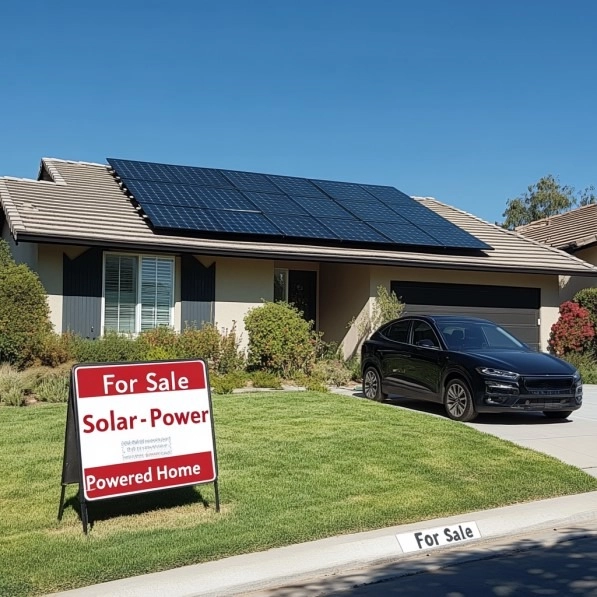
Solar panels add resale value to a Colorado home when the system is owned, well-maintained, and properly transferred at closing, and they complicate a sale when the system is leased or financed with a lien on title. The Front Range gets close to 300 days of sun a year, which makes solar one of the higher-return upgrades a Denver metro or Colorado Springs homeowner can make, if the deal is structured to pass cleanly to the next owner.
The National Association of Realtors has tracked home sale prices and found that homes with owned solar systems sell at a premium compared with similar homes without one. On a Front Range home priced in the $500,000 to $650,000 range, that premium translates to somewhere in the $15,000 to $25,000 range, alongside monthly utility savings of $100 to $250 depending on system size and household usage. The premium applies to owned systems with clear title. A leased system, covered below, does not carry the same resale bump.
Xcel Energy's Solar*Rewards program pays Colorado homeowners for the energy their rooftop system produces, on top of the savings from using that power instead of buying it from the grid. Program terms and payment structures change by year, so confirm current Solar*Rewards terms directly with Xcel rather than relying on a quote from a prior year.
Net metering credits a home for solar power sent back to the grid during sunny midday hours against power drawn from the grid at night or on cloudy days. A system sized to a home's annual usage, not its roof's maximum capacity, gets the most value from net metering, since credits for production beyond what the home uses over a billing cycle are worth less than the retail rate the home pays for power it draws.
Xcel Energy's time-of-use rate plans price electricity higher in late afternoon and early evening, exactly when solar production is dropping off for the day. Pairing solar with a battery lets a household store midday production and use it during the expensive evening window instead of buying grid power at the peak rate. Xcel and some Front Range municipal utilities offer incentives for batteries enrolled in demand-response programs; weigh that incentive against the added system cost before adding a battery for bill savings alone.
The 30% federal residential clean energy credit covered solar and battery installations through the end of 2025. Systems placed in service after December 31, 2025 no longer qualify under that federal credit. Ask an installer to show the after-incentive price using current 2026 rules, not a 2025 example, and confirm the numbers with a tax professional before signing.
Colorado law limits how far an HOA can go in restricting rooftop solar. A board can set reasonable rules for panel placement, screening from the street, and the design review process, but it cannot ban solar panels outright or impose conditions that make a system impractical to install. Submit plans through the architectural review process early if the home sits in an HOA or metro district, since review timelines vary by community.
Colorado's Front Range sits in one of the country's more hail-prone corridors, with hail season running from spring through early fall. Panels rated for hail impact, and mounting hardware installed to the manufacturer's wind and hail specifications, reduce the odds of a claim after a storm. Ask an insurer how a solar installation affects a homeowners policy before signing an installation contract, since some carriers ask for the system's value to be added to the dwelling coverage.
Roof pitch and snow load matter more in the foothills and higher-elevation parts of the Front Range than in central Denver. An installer should calculate the roof's snow load rating before mounting panels, and mounting hardware should account for snow sliding off the array. Denver, Aurora, Lakewood, Littleton, Centennial, Colorado Springs, and Fort Collins each require an electrical permit and an inspection before a solar system can be connected to the grid; budget two to six weeks for permitting and inspection depending on the jurisdiction.
| System Type | Effect on Resale | What Happens at Closing |
|---|---|---|
| Owned outright | Adds to appraised value and sale price | Transfers with the deed, no extra paperwork |
| Financed with a lien (PPA or loan) | Limited to no resale premium | Buyer assumes payments or seller pays it off before closing |
| Leased | Can complicate or delay a sale | Buyer must qualify to assume the lease, or seller buys it out |
A leased or financed system shows up as a UCC filing against the home in most cases, similar to a lien, and a title company will flag it during the title search. Sellers with a leased system should contact the solar company early in the listing process to get a payoff or assumption quote, since surprising a buyer with a lease assumption late in a transaction is one of the more common reasons a Colorado solar sale falls apart before closing.
Colorado's standard contract to buy and sell real estate sets an Inspection Objection Deadline, the date by which a buyer must raise concerns found during inspection. A solar system's age, warranty status, and ownership structure should come up before that deadline, not after. Colorado's Seller's Property Disclosure asks whether solar is present and whether it is owned, leased, or financed; answer it completely, since an incomplete answer here is one of the more common causes of a post-closing dispute.
Buyers searching in Denver, Aurora, Lakewood, Littleton, Centennial, Colorado Springs, and Fort Collins increasingly filter for lower utility costs, and an owned solar system with clean paperwork answers that question before a buyer has to ask. A seller weighing whether to add solar before listing, or just document what's already installed, should start with a Smart Pricing Report to see how comparable solar homes actually priced in their neighborhood.
A Colorado installer's maintenance plan should cover panel cleaning, inverter monitoring, and warranty service, since a system that stops reporting production for months without anyone noticing loses real savings. Ask for professional solar panel installation and maintenance records when buying a home with an existing system, and confirm the equipment warranty and workmanship warranty both transfer to the new owner. According to the National Association of Realtors, documentation like this is part of what supports the resale premium solar buyers pay for.
Ask for the printable solar-closing checklist in the form below and the Kenna Real Estate Group emails it the same day.
The Kenna Real Estate Group helps Front Range sellers document an owned solar system so it shows up in the price, and helps buyers check ownership, warranty, and permit paperwork before they write an offer on a solar home. Call or text 303-955-4220. A live person answers. Not a robot, not a phone tree. Search every home for sale in Colorado to see what's on the market today.
Questions about any home in Colorado? Call or text 303-955-4220. A live person answers.
Owned solar systems with clear title commonly add $15,000 to $25,000 to a Front Range home priced in the $500,000 to $650,000 range, on top of monthly utility savings of $100 to $250.
Not the same way an owned system does. A lease or financed system with a lien on title requires the buyer to qualify to assume payments, or the seller to pay it off before closing.
The 30% federal residential clean energy credit ended for systems placed in service after December 31, 2025. Confirm current pricing and any remaining state or utility incentives before signing a 2026 contract.
No. Colorado law lets an HOA set reasonable rules for placement and screening, but it cannot ban solar panels outright or make the design review process impractical to complete.
Panels and mounting hardware rated for hail impact hold up better in the Front Range's hail-prone corridor, and some insurers ask about the installation before adjusting a homeowners policy.
The buyer either qualifies to assume the remaining lease payments or the seller pays the lease off before closing. A title company will flag an unresolved solar lien during the title search.
Budget two to six weeks for permitting and inspection; Denver, Aurora, Lakewood, Littleton, Centennial, Colorado Springs, and Fort Collins each require their own electrical permit and inspection.
Colorado's Seller's Property Disclosure asks whether solar is present and whether it's owned, leased, or financed. Answer it completely, since an incomplete answer is a common source of post-closing disputes.