.jpg)


A Colorado home sale does not require a pest inspection by law, and the general home inspection includes a visual check for wood damage and rodent evidence. The pests that change a Front Range sale are five: subterranean termites, which exist along the Front Range but are far less common than in the South; carpenter ants in wet wood; wood-boring beetles in log and timber homes; mice, in every metro home by October; and bats in the attics of mountain homes. A buyer orders a separate wood-destroying insect inspection when the general inspector finds damage, when the lender asks for one, or when the home is a log, timber or foothills property.
This guide covers which pests matter in Colorado and which do not, what a wood-destroying insect inspection covers and costs, the loan programs that ask for one, what the seller discloses, the contract deadlines that decide who pays, and the prep list that keeps a pest finding out of the inspection objection.
Colorado's pest picture, and how it differs from the South
- Subterranean termites. Colorado has one native species, the arid-land subterranean termite, and it lives in colonies in the soil along the Front Range, in Pueblo, and on the Western Slope. It reaches the house through mud tubes on the foundation and eats the sill plate and the bottom of the framing. Infestations are a fraction of what Texas, Florida or Georgia see, and Colorado has no drywood termites, so a swarm in the window sill of a Denver home is an event, not a season.
- Carpenter ants. The most common wood-destroying insect in Colorado. They do not eat wood; they excavate wet, soft wood to nest in, so they show up where there is a leak: under a window, behind a deck ledger, in a roof valley, in a foothills home surrounded by dead trees. Piles of sawdust-like frass with insect parts in it are the sign.
- Wood-boring beetles. Powderpost and other borers work in log homes, rough-sawn timber, exposed beams and firewood in Evergreen, Conifer, Bailey, Estes Park, Nederland and the mountain communities. Pinholes with fine powder below them are the sign. Dry, finished lumber in a metro tract home is not the target.
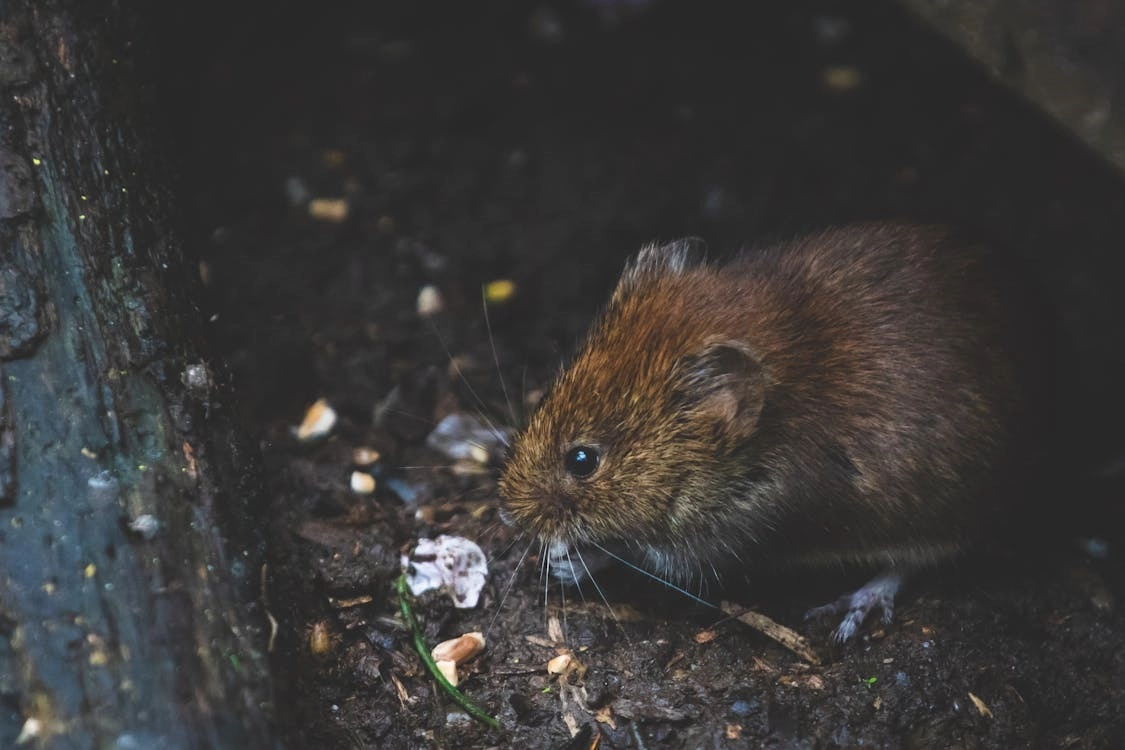
- Mice. House mice move into every Front Range home when the first freeze arrives, through a quarter-inch gap at the garage door seal or a utility penetration. Deer mice, common in rural and foothills homes, carry hantavirus in Colorado, and the Colorado Department of Public Health and Environment publishes the cleanup rules: wet the droppings with a bleach solution and wipe, never sweep or vacuum dry.
- Bats. Colonies roost in attics and behind fascia in mountain homes and in older Denver, Golden and Boulder homes with gaps at the roofline. Bats are protected in Colorado; the remedy is exclusion with one-way doors by a wildlife-control operator, done outside the summer weeks when flightless pups are in the roost, followed by guano cleanup and sealing.
- Everything else. Wasps under the eaves, spiders in the window wells, voles and pocket gophers in the lawn, raccoons and squirrels in the attic. These are maintenance items and get a line on the inspection report, not an objection, unless an animal has been living in the attic long enough to soak the insulation.
The group's guide to Colorado pest risks by season covers the calendar; this post covers the sale.
What a wood-destroying insect inspection covers in Colorado
A wood-destroying insect inspection is done by a pest control company licensed through the Colorado Department of Agriculture's commercial pesticide applicator program, and the report goes on the national NPMA-33 form. The inspector probes the sill plate and rim joist from the basement or crawlspace, checks the exterior foundation for mud tubes, looks at every place wood touches soil (deck posts, fence posts against the siding, siding buried by landscaping), checks window sills, door jambs, the garage door frame, exposed beams and any firewood stacked against the house, and reports live activity, past damage, and conditions that invite an infestation.
In the Denver metro a stand-alone wood-destroying insect report runs $75 to $150 when the same company is already doing the general inspection, and $150 to $250 as a separate visit. On a log or timber home in the foothills the inspection runs longer and costs more because every exposed log is checked.
Which loans ask for one
On VA and FHA loans the appraiser calls for a wood-destroying insect inspection when the appraisal notes evidence of infestation or wood damage, and the lender will not close until a clear report or a treatment certificate is in the file. Whether a specific Colorado property needs one on a VA loan with no visible evidence is a question the buyer puts to the lender in writing on day one of the contract, so the report is ordered inside the inspection window instead of the week before closing. The government-backed home buying guide lists the other FHA and VA property conditions.
The Kenna Real Estate Group works with Mike Oswald, VP of Mortgage Lending at Rate, NMLS 261003, Equal Housing Lender, who answers the pest inspection question for each loan program before the offer is written. You are free to use any lender. Details are on the financing page.
What the seller discloses
The Colorado Seller's Property Disclosure asks the seller to report known damage from insects, rodents and animals, and any known infestation, along with past treatments. A seller who had the sill plate treated for termites in 2021 writes it down and attaches the treatment record; a seller who knows about the mice in the garage every October writes that down too. Colorado law requires a seller to disclose known adverse material facts, and a pest history the seller knew about and left off the form is the kind of fact that comes back after closing.
The contract deadlines that decide who pays
Pest findings are inspection findings under the Colorado Contract to Buy and Sell Real Estate (Residential). The buyer delivers a written Inspection Objection by the Inspection Objection Deadline, the two sides sign an agreement by the Inspection Resolution Deadline, and the buyer walks with earnest money by the Inspection Termination Deadline if they do not. Three outcomes cover nearly every Front Range pest objection:
- Seller treats and repairs. The norm for an active infestation: a licensed company treats, a contractor repairs the damaged wood, and the seller hands over the treatment certificate and the repair invoice before closing.
- Seller credits. The buyer takes a credit at closing equal to the treatment and repair quotes and manages the work after moving in. This is the choice when the repair is cosmetic or the buyer plans a remodel in that area.
- Buyer terminates. Rare on a pest finding alone; it happens when the wood-destroying insect report shows structural damage to the sill plate or floor joists and the seller refuses to address it.
On a VA or FHA file the lender's condition removes the negotiation: the treatment certificate has to exist before the loan funds, and the seller who wants to close provides it. Read the Denver inspection red flags guide for how a pest objection stacks with the sewer, roof and furnace items on the same list.
| Pest | Where it shows up in Colorado | Sign the inspector reports | Denver metro treatment, 2026 |
|---|---|---|---|
| Subterranean termites | Front Range foundations, Pueblo, Western Slope | Mud tubes on the foundation, hollow sill plate | Liquid barrier treatment $1,200 to $3,000, plus wood repair |
| Carpenter ants | Wet wood anywhere; foothills homes | Frass piles, large black ants indoors in winter | $250 to $600, plus fixing the leak |
| Wood-boring beetles | Log and timber homes, exposed beams | Pinholes with fine powder | $500 to $3,000 by extent |
| Mice | Every home after the first freeze; deer mice in rural homes | Droppings, chewed insulation, gaps at the garage seal | Exclusion and trapping $300 to $1,000 |
| Bats | Mountain homes; older Denver, Golden, Boulder attics | Guano below a roofline gap, staining at the entry | Exclusion and cleanup $1,500 to $5,000 |
| Raccoons and squirrels | Attics with open vents or soffit gaps | Noise, torn vent screens, soaked insulation | $400 to $1,500, plus insulation |
| Wasps, spiders, voles | Eaves, window wells, lawns | Nests, webs, runways in the turf | $150 to $300; maintenance, not an objection |
How a Colorado seller keeps pests out of the objection
Every item on this list is done in a weekend, a month before listing:
- Move the firewood. Twenty feet from the house and off the ground. A stack against the siding is the first place both termites and beetles are found.
- Break the wood-to-soil contact. Six inches of clearance between siding and grade, deck posts on metal standoffs, fence pickets cut back from the wall, mulch pulled back from the foundation.
- Fix the leaks. Carpenter ants follow water. A dripping hose bib, a failed window flashing, a deck ledger without flashing, and a gutter that dumps at the corner each grow a colony.
- Seal the quarter-inch gaps. New garage door bottom seal, steel wool and sealant at every pipe and wire penetration, screens on the attic vents and the dryer vent.
- Trim the trees. Branches 6 feet off the roof; squirrels and roof rats use them as a bridge.
- Treat and keep the receipt. A seller who had a licensed company treat carpenter ants in April hands the buyer a dated receipt in September, and the finding is closed before it is written.
Sellers on acreage and in the foothills add a wood-destroying insect inspection to the pre-listing inspection so the report sits in the listing folder; the adding value before selling guide lists it with the other pre-listing checks, and the mountain home evaluation guide covers what a foothills buyer looks for.
Where to go next
- Search every home for sale in Colorado
- The Colorado home buyer's guide
- How to sell a house in Colorado, step by step
- The hidden systems Colorado buyers inspect before closing
- How to pick a Denver home inspector
- Meet the Kenna Real Estate Group agents
Talk to the Kenna Real Estate Group
The Kenna Real Estate Group, Keller Williams DTC, orders the wood-destroying insect report when a home calls for it, writes the pest objection so the seller treats and repairs before closing, and tells sellers which of these fixes to finish before the sign goes up. Call or text 303-955-4220. A live person answers. Not a robot, not a phone tree. Or search every home for sale in Colorado.
Homes for sale that match this post
- Homes with 2 Car Garage in Denver
- Basement: guide
- VA loan: guide
- Homes on Wooded Lots in Denver
- All homes for sale in Denver
Guides
Questions about any home in Colorado? Call or text 303-955-4220. A live person answers.