New - Just Now
$442,500
Coming Soon
4
Beds
3
Baths
1028
Sqft
0.15
Acres
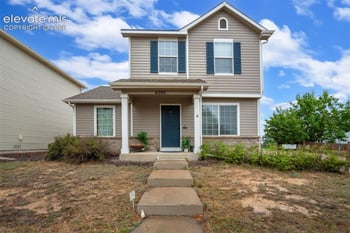
4808 Bridle Pass Dr, Colorado Springs, CO 80923
MLS#: REC5621139
.jpg)



A home that works today should still work in 10 years, and on Colorado's Front Range that means checking things most buyers skip: the soil under the foundation, how the roof handles hail season, whether an HOA or metro district controls the yard, and whether the water use rules fit how the household actually lives.
A future-ready home holds its value, needs no expensive surprises in the first five years, and still fits the household's routine as jobs, budgets and daily life change. That comes down to four things: the land it sits on, the systems inside it, the rules attached to it, and how well it will resell when the household moves again.
Before touring a single house, write down the monthly payment the household can carry without strain, including principal, interest, taxes, insurance and any HOA dues. Add the commute each adult in the household will drive from the address, since a 25-minute commute on I-25 or C-470 at rush hour reads very differently than the same distance on a side street. List the rooms that must exist today (home office, main-floor bedroom, a yard for a dog) separately from rooms that are nice to have, so a smaller home in a stronger location does not get passed over for a bigger one in a weaker spot.
A Colorado mortgage pre-approval sets the real budget before a buyer falls for a house outside it, and it tells a seller the offer is backed by a lender who has already checked the numbers. Rates, loan programs and closing costs vary by lender, so it pays to compare more than one quote; Mike Oswald at Rate (NMLS 261003, Equal Housing Lender) is one option Colorado buyers use for that comparison, and buyers are free to use any lender. A household with credit or savings questions can start with Kenna Credit Care before applying.
Large parts of the Front Range, including sections of Aurora, Castle Rock, Parker and Colorado Springs, sit on expansive bentonite clay soil that swells when it absorbs water and shrinks as it dries. That movement is the single biggest cause of foundation cracks and sticking doors in Colorado homes. A soils report or a geotechnical letter in the seller's disclosure, along with a foundation inspection, tells a buyer whether the slab, drainage and grading were built for that soil type before the offer goes in, not after.
Colorado's hail season runs spring through September, and a Front Range roof takes far more impact damage over its life than a roof in most other states. Ask the seller for the roof's age, the last insurance claim date, and whether the shingles are Class 4 impact-resistant, since some insurers discount premiums for that rating. A roof older than 15 to 20 years, or one with visible granule loss, is worth pricing into the offer rather than discovering after closing.
Homes in the foothills and in many exurban Front Range communities sit inside a wildfire hazard zone, where defensible space, clearing vegetation and flammable material away from the structure, affects both insurability and resale. Ask whether the property has had a wildfire risk assessment, whether the county requires defensible space maintenance, and whether the current owner has kept up with it. A home that is hard to insure today will be hard to insure, and to sell, in 10 years.
Colorado water law is not like most states: some properties include water rights, most municipal customers are on seasonal watering schedules set by the local water provider, and a handful of well-served properties carry their own restrictions. Ask whether the home is on a municipal water tap or a well, what the local watering schedule allows, and whether any water rights transfer with the sale. A buyer who plans to keep a large lawn or garden should confirm the answer before closing, not after the first water bill.
Many Front Range neighborhoods, especially newer construction in Castle Rock, Parker, Thornton and Commerce City, sit inside a metro district that carries its own mill levy on top of county property tax, separate from any HOA dues. Request the HOA or metro district documents, covenants, current dues, reserve fund status and any pending special assessments, before the inspection objection deadline, since a strong-looking house with a weak reserve fund can mean a large bill later.
At 5,280 feet and above, indoor humidity drops well below what most HVAC systems and finishes were designed for at sea level, which dries out wood trim, cracks caulk faster and makes a whole-home humidifier worth checking for on the mechanical inspection. UV exposure is stronger at altitude too, so ask about window film or low-E glass if the home gets strong south or west sun, since that affects both comfort and how fast flooring and furniture fade.
Resale strength depends on lot size relative to the block, whether the floor plan still reads as functional a decade from now, and how the area's market reports track compared to the rest of Denver metro. A three-bedroom, two-bath home on a standard lot in an established neighborhood consistently resells faster than an oversized house on a lot that limits parking or yard space. The Kenna Real Estate Group's pricing guide explains the same factors from the seller's side, which is worth reading before buying too.
Colorado's standard purchase contract sets an inspection objection deadline, a firm date by which the buyer must request repairs, a credit or a price change, or walk away with an earnest money refund. Missing that date means accepting the property as inspected, so a buyer needs the inspector's full report, including roof, foundation, sewer scope and mechanical systems, back with enough time to review it and negotiate before the clock runs out.
A household that expects to need more space later, a home office, an aging parent's suite, or income from a rental unit, should check the zoning before buying rather than after. Denver, Boulder and a growing number of Front Range cities now allow accessory dwelling units on many residential lots, but setback rules, lot coverage limits and permit requirements vary by city and county, so confirm the specific rules for the address, not the general policy. The real estate investing guide covers how an ADU or a duplex conversion pencils out financially.
Drive the commute at the actual time of day the household will make it, walk the block on a weekend, and check the area's noise sources: a nearby rail line, a flight path, or a main arterial road. Online listing descriptions and neighborhood pages are written to sell, so cross-check anything that sounds too polished; an AI content detector can flag when a "neighborhood overview" is generic filler rather than first-hand, locally sourced information, which matters when a buyer is relying on that page to understand a place they have never lived.
Colorado property tax is reassessed on a set county cycle, and a home's assessed value, and therefore its tax bill, can move meaningfully between reassessments, especially after a run-up in prices. Ask the county assessor's office for the property's tax history and any pending mill levy changes tied to special districts in the area, and build the higher end of that range into the long-term budget rather than the current bill alone.
A future-ready home for a household planning to stay put has a bedroom and full bathroom on the main floor, doorways wide enough for a walker, and a low-step or no-step entry, features that also widen the pool of future buyers when it is time to sell. Ranch-style homes across Highlands Ranch, Centennial and Littleton are in steady demand for exactly this reason, and the Kenna Real Estate Group's Colorado 55+ communities guide covers neighborhoods built around single-level living.
The Kenna Real Estate Group walks Front Range buyers through soil reports, HOA documents, wildfire risk and every other item on this checklist before an offer goes in, not after. Call or text 303-955-4220. A live person answers. Not a robot, not a phone tree. Ready to start touring? Search every home for sale in Colorado.
Questions about any home in Colorado? Call or text 303-955-4220. A live person answers.
Expansive clay soil movement is the most common cause of foundation and slab problems on the Front Range. A soils report and foundation inspection catch it before closing.
Hail season runs spring through September. Ask for the roof's age, last claim date and impact rating before making an offer, not after a storm.
It is the deadline by which a buyer must request repairs, a credit or a price change based on the inspection, or accept the property as-is. Missing it gives up that negotiating point.
Yes. A metro district charges its own mill levy through the property tax bill, on top of any separate HOA dues, and it is common in newer Castle Rock, Parker and Commerce City neighborhoods.
Yes. Low indoor humidity at altitude dries wood trim and cracks caulk faster than at sea level, which is why a whole-home humidifier is worth checking for during the mechanical inspection.
Some cities, including Denver and Boulder, allow accessory dwelling units on many residential lots, but setbacks, lot coverage and permit rules vary by city and county, so confirm the specific address before counting on it.
Ask the listing agent or the county for a wildfire risk assessment and defensible space requirements. Insurability and future resale both depend on the answer.
Get pre-approved with a Colorado lender first. It sets the real price range and tells sellers the offer is backed by underwriting, not just a wish list.