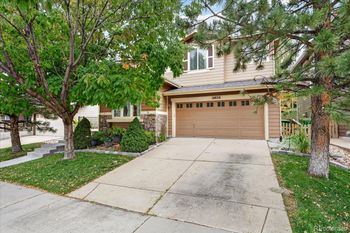
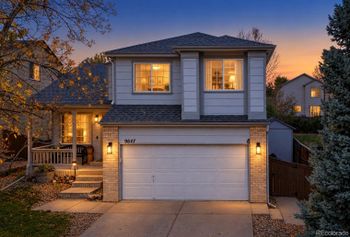
New - 20 Hours Ago

$625,000
Active
3
Beds
4
Baths
2500
Sqft
0.16
Acres
864 English Sparrow Trl, Highlands Ranch, CO 80129
MLS#: 2009664
.jpg)


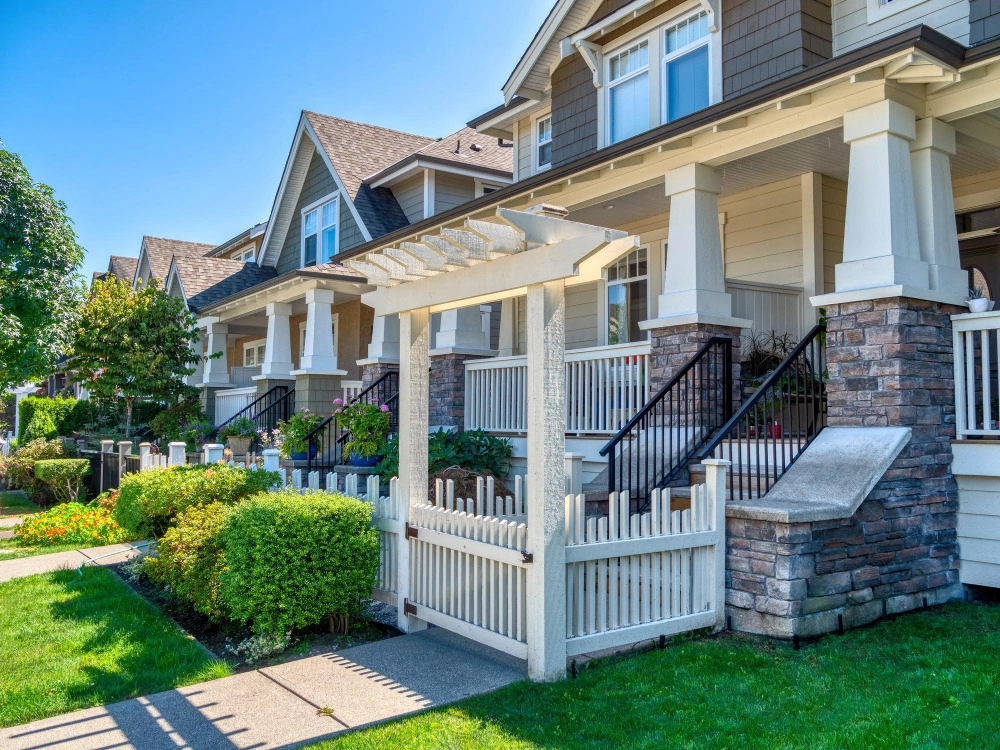
Colorado buyers choose between five common housing types: apartments (rent only), condos, townhomes, duplexes or multi-family homes, and single-family homes. Each one trades cost against maintenance and control, and the right answer changes with your budget, how much yard work you want, and how long you plan to stay.
A condo is a unit inside a shared building: the HOA holds the master insurance policy on the roof, siding, and structure, and a monthly fee covers that coverage plus grounds and, in many buildings, water. A townhome is a unit that shares one or two walls with neighbors but sits on, or close to, its own small footprint, and Colorado townhome HOAs split on who insures the roof: some cover it under the master policy, others push it to the owner. Read the HOA declaration before you assume either way.
| Housing type | Typical Front Range price range (2026) | Typical monthly HOA |
|---|---|---|
| Condo | $280,000 – $450,000 | $250 – $500 |
| Townhome | $400,000 – $600,000 | $150 – $350 |
| Duplex (owner-occupied half) | $500,000 – $750,000 | $0 – $100 |
| Single-family home | $500,000 – $800,000+ | $0 – $150 |
These are Front Range starting ranges, not a quote. Pull a Smart Pricing Report on any specific address for a real number.
In a condo, the HOA replaces the roof, repaints the exterior, and handles landscaping, funded by your monthly fee and periodic special assessments for large jobs like re-roofing after a hail storm. In a townhome, check the declaration: many Front Range townhome HOAs cover roof and exterior insurance but leave gutters, window replacement, and the patio to the owner. In a duplex you own outright, you carry every repair yourself, split only if a shared wall or roof needs work and your neighbor cooperates.
Condo fees run $250 to $500 a month on the Front Range because they fund full exterior insurance and reserves for roof replacement after hail. Townhome fees run lower, $150 to $350, since a large share of Front Range townhome owners carry their own roof insurance. Single-family HOAs in a planned community like Highlands Ranch or Castle Rock run $50 to $150 a month and cover only common areas in most cases, not your own structure. A metro district adds a separate line on your property tax bill, on top of any HOA fee, so check both before you budget.
A single-family home on its own lot appreciates with both the structure and the land under it, and land is the scarcer asset on the Front Range as the metro grows. A condo appreciates with the unit but not a share of land value the way a single-family home does, which is one reason condos have historically appreciated at a slower rate than single-family homes in Denver metro cycles. A duplex you live in and partly rent lets a tenant's rent offset your payment while you still build equity in real property.
Hail season runs spring through September and hits the whole Front Range, so no housing type is exempt. A condo owner is protected from a surprise roof bill by the HOA master policy, paid for through the monthly fee and occasional special assessments. A single-family homeowner carries that risk directly and should confirm Class 4 impact-rated shingles and a current roof inspection before buying, since an aging roof in hail country is a near-certain claim.
A duplex works well for a buyer who wants rental income to help qualify for the loan and offset the payment. Lenders count a share of projected rent from the other unit toward your qualifying income on an owner-occupied duplex, which is not available on a straight single-family purchase. See the Colorado duplex and multifamily buying guide before you shop.
A metro district is a local government created to fund infrastructure, like streets, parks, and water lines, in newer Front Range developments, and it is repaid through a mill levy on your property tax bill that can run for decades. It is separate from an HOA fee and shows up on the county assessor's record, not the listing sheet, so ask your agent to pull the exact mill levy for any new-construction community before you write an offer.
Condos and most townhomes give you a patio or a small fenced strip, not a real yard. Duplexes and single-family homes give you the full lot, which on the Front Range runs 5,000 to 8,000 square feet in newer suburbs and larger in established Denver neighborhoods. A bigger yard means more xeriscaping or sod to water under Denver Water and Aurora Water summer restrictions, and more clay soil to manage around the foundation.
Single-family homes attract the widest buyer pool and sell the fastest in a normal Front Range market. Condos and townhomes sell to a narrower pool, and buyers with FHA or VA financing need the HOA to carry current certification for those loan programs, which can add time to closing. Ask your agent to confirm a condo's FHA and VA approval status before you list or write an offer.
A condo or a townhome with full-exterior HOA coverage removes roof, siding, and landscaping from your task list, which matters most to a buyer who travels, works long hours, or wants a lock-and-leave second home. A single-family home with a small lot and drought-tolerant landscaping cuts the same workload without an HOA fee, trading a lower monthly cost for more of your own weekend time.
The Kenna Real Estate Group walks Front Range buyers through the real cost of each housing type, HOA documents included, before an offer goes in. Call or text 303-955-4220. A live person answers. Not a robot, not a phone tree. Ready to compare options? Search every home for sale in Colorado.
Questions about any home in Colorado? Call or text 303-955-4220. A live person answers.
A condo's HOA owns and insures the exterior and roof. A townhome owner more commonly carries roof insurance directly, though Front Range HOA rules vary, so read the declaration.
No. A standalone single-family home outside a planned community can carry no HOA at all, while a condo almost always has one to fund shared exterior maintenance.
A metro district is a local government that funds infrastructure through a mill levy on your property tax bill. An HOA fee is separate, billed by the community association for shared amenities and maintenance.
Single-family homes appreciate faster than condos over a full market cycle in most Denver metro cycles because the buyer owns land as well as the structure.
Yes, if you plan to live in one unit. Lenders count a share of the other unit's rent toward your qualifying income on an owner-occupied duplex.
Yes. A buyer using FHA or VA financing needs the condo HOA to carry current program approval, which can add time to a closing if it has lapsed.
Condos and most townhomes limit you to a patio. Duplexes and single-family homes include a full lot, 5,000 to 8,000 square feet in newer Front Range suburbs.