New - 1 Day Ago
$589,000
Active Under Contract
3
Beds
2
Baths
1344
Sqft
0.03
Acres
3164 29th St, Boulder, CO 80301
MLS#: REC7017894
.jpg)


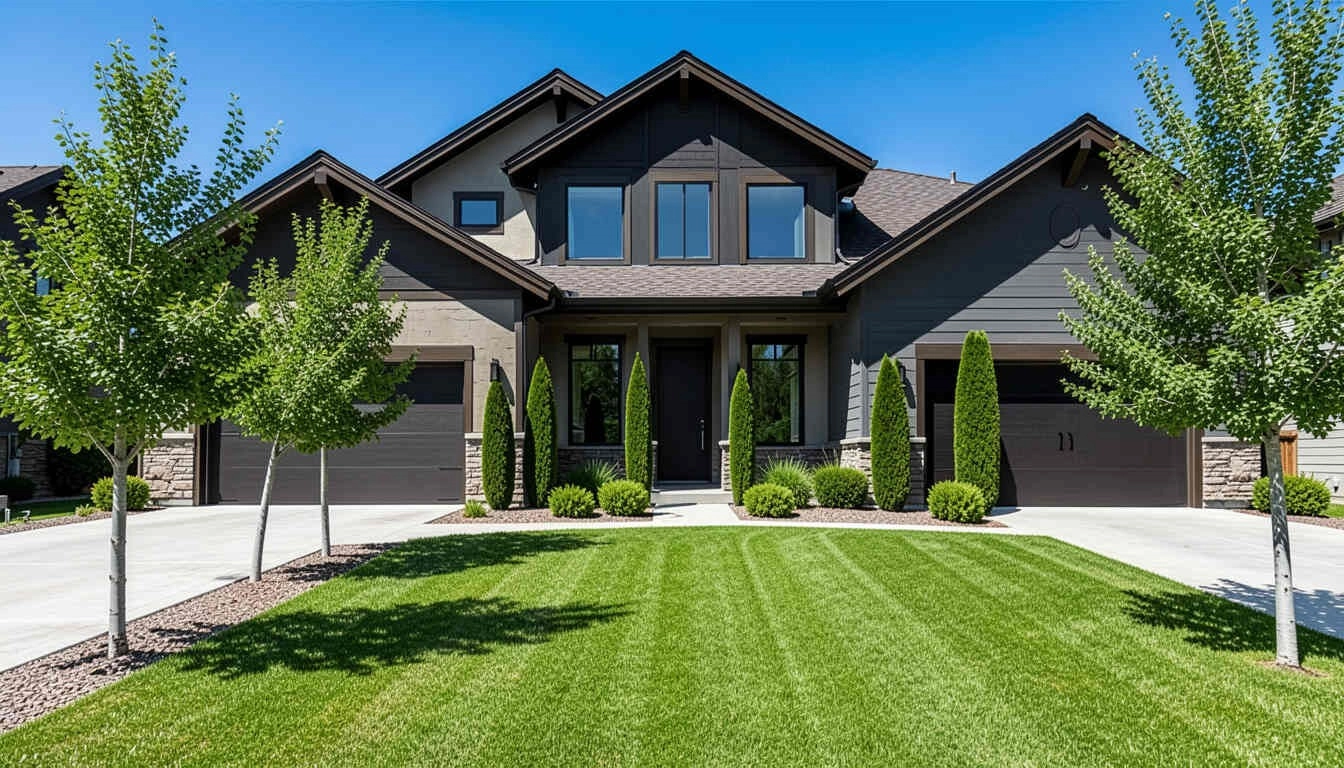
A dying or overgrown tree drags down a Colorado home's curb appeal and shows up on a buyer's inspection report, while consistent tree maintenance, pruning, pest monitoring, and removing hazard trees before they fail, protects both property value and inspection compliance on a Front Range lot. Emerald ash borer and the region's fast-swinging weather make tree care here a different job than in a milder, wetter climate, and a homeowner who treats tree care as routine maintenance rather than an occasional afterthought avoids the bigger costs that come with a dead or damaged tree near the house.
Emerald ash borer is an invasive beetle confirmed in Boulder County and spreading across the Front Range, and it kills ash trees within a few years of infestation if left untreated. Ash trees make up a meaningful share of the urban tree canopy in Denver and surrounding cities, so a homeowner with an ash tree needs to decide between ongoing treatment or planned removal before the tree becomes a hazard rather than after it's already dead and dropping limbs.
Denver and several other Front Range cities require a permit to remove a tree above a certain trunk diameter, particularly street trees and trees on public right-of-way, while trees fully on private property sometimes fall outside that requirement depending on species and size. Check with the local forestry or public works department before removal, since cutting a protected tree without a permit can lead to fines in cities that track tree canopy as part of their urban forestry plan.
Species suited to Colorado's semi-arid climate, low water availability, alkaline clay soil, and wide temperature swings hold up better than trees chosen for a wetter, milder climate. Bur oak, Kentucky coffeetree, hackberry, and Colorado native conifers like ponderosa pine handle Front Range conditions with less stress than species that struggle in our short growing season and intense sun.
A buyer's inspector notes trees with dead limbs, visible trunk decay, or branches overhanging the roof or power lines, and a seller can expect that item raised during the inspection objection period on the Colorado standard contract. Addressing hazard trees before listing avoids a last-minute negotiation, and it removes a liability that causes storm damage to the home in a high wind or heavy snow event.
Homes in the foothills around Golden, Morrison, and Evergreen fall under Colorado State Forest Service defensible space guidance, which calls for spacing between tree canopies and removing branches that overhang the roof within the zone closest to the structure. Local fire districts in Jefferson, Douglas, and El Paso counties require a defensible space assessment before a permit for new construction or major renovation in wildland-urban interface areas.
Mature, well-maintained trees are a genuine draw for Front Range buyers, providing shade that cuts summer cooling costs and softening a property's overall look, and a property with a documented tree care history reads as better maintained than one with visible dead wood. See the preparing and adding value before selling guide for how tree care ranks against other pre-listing projects.
Wide daily temperature swings, intense high-altitude UV, a short growing season, hail, and heavy wet spring snow on trees that haven't dropped their leaves all put unique stress on Front Range trees compared to a climate with milder, steadier weather. A tree species that thrives in a coastal or Midwest climate struggles here without extra watering and windbreak protection, especially in its first few years after planting.
| Warning Sign | What It Means |
|---|---|
| Bark splitting or peeling | Possible disease, pest damage, or sunscald from intense UV |
| Dead or brittle upper branches | Root stress, drought, or advanced decay |
| Fungal growth at the base | Internal root or trunk decay, a fall hazard |
| Small D-shaped exit holes in bark | Emerald ash borer infestation |
| Lean that has worsened recently | Root failure, a near-term hazard |
Many Front Range HOAs restrict removing mature trees without architectural review approval, since trees are part of the community's overall landscape standard, while trimming and routine maintenance don't need sign-off in most cases. Check the Denver HOA rules and fees guide before removing a tree in a covenant-controlled community.
A standard residential tree removal in the Denver metro runs roughly $500 to $2,500 depending on size, location near structures or power lines, and whether stump grinding is included, with large or hazardous removals near a home running higher. A crew such as municipal tree services that works regularly with Front Range cities understands local permit requirements for street trees and public right-of-way work, which matters when a removal touches a tree the city tracks.
Yes, a hazard tree flagged during a pre-listing walk-through is far cheaper to remove on the seller's timeline than to negotiate as a credit or repair item after a buyer's inspection. Document any recent tree care, removal permits, or treatment for pests like emerald ash borer, since that history reassures a buyer that the trees on the property have been actively managed rather than ignored. Colorado's seller's property disclosure form asks about known defects on the property, and a tree with a documented hazard, a previous limb failure, or an active pest infestation belongs on that disclosure rather than left for the buyer to discover on a walk-through.
Hail season on the Front Range runs from spring through September, and a severe storm strips leaves, splits bark, and knocks down weaker branches on mature trees, sometimes exposing wood to pests and disease at the wound site. Inspect trees after any significant hailstorm for broken limbs hanging in the canopy, since those pose a falling hazard until removed even if the tree itself survives.
A heavy, wet spring snowstorm that hits before trees have dropped their leaves puts far more weight on branches than the same snowfall would on a bare winter tree, which is why Front Range trees see more limb breakage from an early or late-season snow than from a mid-winter storm. Removing dead or weak branches before the heavy snow season reduces the chance of a limb coming down on a roof, fence, or car.
The Kenna Real Estate Group can tell you whether tree condition is set to come up during a Front Range home sale and what buyers actually notice. Call or text 303-955-4220. A live person answers. Not a robot, not a phone tree. Search every home for sale in Colorado to see how mature landscaping shows up in current listings.
Questions about any home in Colorado? Call or text 303-955-4220. A live person answers.
It's an invasive beetle confirmed in Boulder County and spreading across the Front Range that kills untreated ash trees within a few years, making early treatment or planned removal important for ash tree owners.
Denver and several Front Range cities require a permit for street trees and larger trees above a set trunk diameter, so check with the local forestry department before removal.
Species suited to low water availability, alkaline clay soil, and wide temperature swings, like bur oak, hackberry, and ponderosa pine, hold up better than trees chosen for a wetter, milder climate.
Yes, inspectors note dead limbs, trunk decay, or branches overhanging the roof or power lines, and buyers can raise it during the inspection objection period.
Colorado State Forest Service guidance calls for spacing between tree canopies and removing branches that overhang the roof in the zone closest to the structure, required by some local fire districts before certain permits.
Mature, well-maintained trees provide shade that cuts cooling costs and improve curb appeal, while a documented tree care history signals a well-maintained property overall.
A standard residential removal runs roughly $500 to $2,500 depending on size, proximity to structures or power lines, and whether stump grinding is included.