New - 1 Day Ago
$290,000
Active
2
Beds
2
Baths
887
Sqft
0.33
Acres
4654 White Rock Cir #4, Boulder, CO 80301
MLS#: IR1071142
.jpg)


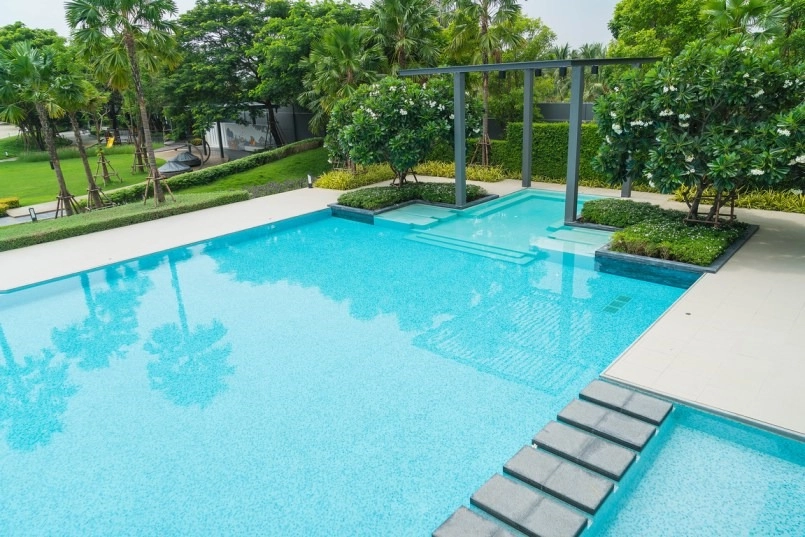
Colorado's high-altitude sun breaks down chlorine faster than it does at sea level, and the state's short outdoor pool season means every week of clean, balanced water matters more here than in a climate where the pool runs nearly year-round. Homeowners with a private pool and HOA boards running a community amenity pool both need a plan built around altitude, intense UV, and a hard shutdown before the first freeze, not a maintenance routine copied from a warmer, lower-elevation market.
UV exposure at Denver's elevation runs roughly a quarter higher than at sea level, and UV rays degrade free chlorine in pool water faster than in a lower-elevation climate, which means a Front Range pool needs more frequent chlorine additions or a stabilizer product to hold a consistent level through peak summer sun. Skipping that adjustment is a common reason a pool that tested fine in the morning shows a cloudy or under-chlorinated reading by afternoon.
The outdoor pool season on the Front Range runs about 100 days, from late spring to Labor Day, shorter than most of the country because of the region's elevation and quick swing into fall nights. That compressed window puts pressure on getting the water balanced early in the season, since a slow start eats directly into the limited weeks of actual use.
A Colorado HOA running a community pool needs a documented testing schedule, a certified pool operator or contracted service, and a clear chain of responsibility for who checks chemical levels and equipment daily during the open season. Communities like Highlands Ranch under HRCA run amenity pools as part of the broader recreation package, and residents should know whether pool oversight sits with the metro district, the HOA, or a contracted management company before assuming who is accountable for water quality.
Winterizing a pool before the first hard freeze means draining water below skimmer lines, blowing out plumbing to clear standing water, and adding antifreeze-rated products to the lines to prevent cracked pipes and equipment damage. A pool that isn't properly winterized risks a burst line or a cracked pump housing discovered only when the pool reopens in spring, turning a routine season opening into an expensive repair.
Salt chlorination generates chlorine on-site and holds a steadier level through intense sun exposure than manually dosed chlorine, which makes it a strong option for the Front Range's high-UV summers, while a supplemental UV-C or ozone system reduces the total chemical load and cuts down on the byproducts that form when chlorine reacts with sunscreen and body oils. Commercial and HOA amenity pools increasingly combine these systems for more consistent water quality, and a company like commercial pool services works with facilities on exactly this kind of layered treatment approach.
A private residential pool should be tested at least a few times a week during peak summer use, more frequently after a hot weekend with heavy swimmer traffic, since UV degradation and bather load both shift chemical balance faster than a once-a-week check can catch. HOA amenity pools test daily or multiple times a day under Colorado health department rules, since a public or semi-public pool carries a higher compliance bar than a private backyard pool.
A well-maintained community pool is a genuine draw for Front Range buyers weighing similar neighborhoods, while a pool with a history of closures, algae issues, or deferred equipment repairs becomes a liability that shows up in HOA reserve discussions and resale conversations. See the Denver HOA rules and fees guide for what to check about amenity funding before buying into a community with a pool.
Heavy bather load introduces sunscreen, sweat, and body oils that react with chlorine and reduce its effectiveness, and combined with rapid UV degradation, a pool that was clear on Friday can turn cloudy by Sunday afternoon without a mid-weekend chemical check and a filter run. Shocking the pool after a high-traffic weekend and running the filter longer than usual clears most cloudy water within a day.
Hail season on the Front Range runs from spring through September, right through peak pool season, and unprotected equipment pads, solar covers, and pump housings all take damage from a direct hit. Store loose covers and check equipment pad covers after any significant storm, since a cracked housing left unnoticed can lead to a bigger pump failure later in the season.
| Factor | Private Home Pool | HOA Amenity Pool |
|---|---|---|
| Testing frequency | 2-3 times per week | Daily or multiple times daily |
| Compliance oversight | Homeowner discretion | Colorado health department rules |
| Winterization | Homeowner or contracted service | HOA-contracted service |
| Treatment system | Chlorine or salt | Chlorine or salt, plus UV/ozone in many facilities |
Ask for the pool's maintenance and closure history, how amenity costs are funded in the HOA budget, and whether a capital reserve exists for equipment replacement, since an underfunded pool amenity leads to a future special assessment. The Denver special district and metro district tax guide explains how some Front Range communities fund pools through a metro district rather than HOA dues, which changes who a resident should ask for records.
Yes, most Colorado home insurers add a premium for a private pool because of liability exposure, and some require a specific barrier and alarm setup before offering full coverage. Ask a current insurance quote to run both with and without the pool listed so a buyer can compare the real cost difference before finalizing an offer on a pool home.
Water left in pool lines during a freeze expands and can crack PVC plumbing, fittings, and pump housings, which is exactly why proper winterization matters more on the Front Range than in a climate with a milder, more predictable winter. A cracked line doesn't show up until the pool is refilled the following spring, so a pre-season pressure test catches damage before the pool opens rather than after guests are already in the water.
A pool with cloudy water, visible algae, or a documented closure history in HOA records raises red flags for a Front Range buyer, even when the underlying equipment is sound, since water quality is the first thing a buyer sees on a showing. A clear, well-balanced pool paired with documented maintenance records reassures a buyer that the equipment behind the scenes has been kept up as carefully as the water looks on the surface.
The Kenna Real Estate Group can tell you how a pool, private or shared through an HOA, factors into a Front Range home's value and ongoing costs. Call or text 303-955-4220. A live person answers. Not a robot, not a phone tree. Search every home for sale in Colorado to compare pool homes and communities across the Denver metro.
Questions about any home in Colorado? Call or text 303-955-4220. A live person answers.
UV exposure at Denver's elevation runs roughly a quarter higher than at sea level, and that intense UV breaks down free chlorine faster, so Front Range pools need more frequent chemical checks during peak sun.
About 100 days, from late spring to Labor Day, which is shorter than most of the country because of the region's elevation and early fall temperature drop.
Drain water below the skimmer lines, blow out the plumbing to clear standing water, and add antifreeze-rated products to the lines before the first hard freeze to prevent cracked pipes.
Salt chlorination generates a steadier chlorine level through intense sun exposure than manual dosing, making it a strong fit for the Front Range's high-UV summers.
HOA amenity pools test daily or multiple times a day under Colorado health department rules, a higher bar than a private backyard pool needs.
A well-maintained pool is a genuine draw for Front Range buyers, while a history of closures or deferred repairs becomes a liability that shows up in resale conversations and reserve fund discussions.
Heavy bather load introduces sunscreen and body oils that react with chlorine, and combined with fast UV degradation, the water can turn cloudy within a day or two without a mid-weekend chemical check.