New - 30 Mins Ago

$228,000
Active
2
Beds
2
Baths
1019
Sqft
--
Acres
8600 E Alameda Ave #19-108, Denver, CO 80247
MLS#: 7612840
.jpg)


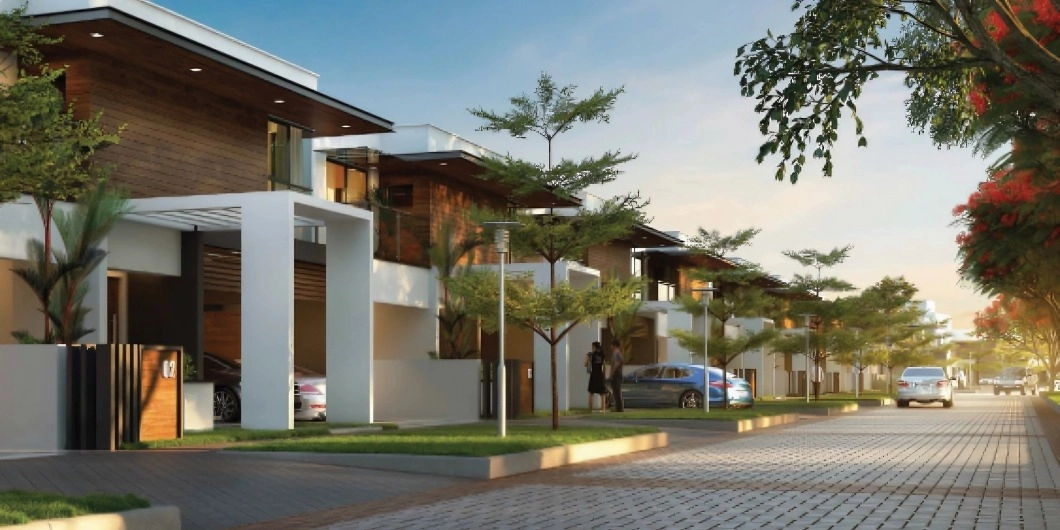
Two nearly identical houses a mile apart can sell for very different prices in metro Denver, and the difference isn't the house itself. It's what surrounds it: a trail system, a light rail stop, an HOA-maintained park, or a walkable stretch of shops. For anyone buying or selling on the Front Range, understanding which community features actually move price, and which ones are just nice-to-have, changes how you shop or how you price a listing.
Direct trail or open-space access, a short walk to a light rail or bus rapid transit stop, and a walkable commercial strip consistently correlate with stronger resale performance across Denver, Aurora, Lakewood, Littleton and Centennial. These features shorten commutes, cut driving time for errands, and give a home a use-case beyond the four walls, which shows up in how quickly comparable listings move and at what price relative to similar homes without those features.
Homes within an easy walk of the Cherry Creek Trail, the South Platte River Trail, or a neighborhood park system tend to see stronger buyer interest than comparable homes further away, because the amenity is usable every day rather than a seasonal draw. In many HOA and metro-district communities across the Front Range, the developer built and maintains that park or trail as part of the community, which is exactly why HOA dues fund it. When you're comparing two listings, factor in whether the green space is public, HOA-maintained, or a private amenity limited to residents.
Homes within roughly a 10-minute walk of an RTD light rail or bus rapid transit station command a premium over comparable homes requiring a drive to reach transit, particularly for buyers commuting into downtown Denver or the Denver Tech Center. That premium narrows in neighborhoods where most residents still drive regardless of transit access, so weigh it alongside the specific commute pattern of the buyers most active in that price range.
| Amenity | Typical effect on buyer interest |
|---|---|
| Community pool and clubhouse | Strong draw for move-up buyers, less so for downsizers |
| Maintained trail or open-space network | Consistent draw across price points |
| Fitness center | Moderate; overlaps with nearby gym access for many buyers |
| Gated entry | Matters most in higher price tiers |
| Community garden or dog park | Growing draw in urban Denver infill neighborhoods |
Not in most cases, but they change the math a buyer needs to run. A metro district mill levy pays for infrastructure and sometimes amenities that a traditional HOA dues structure would otherwise fund, so a buyer comparing two communities should look at the combined cost of HOA dues plus metro district mill levy against what each community actually delivers, rather than comparing HOA dues alone. Ask for the district's current mill levy and any outstanding bond debt before assuming the fee is temporary.
Yes, particularly in urban and inner-ring neighborhoods like Baker, Platt Park, Berkeley and Uptown, where a short walk to restaurants, coffee shops and grocery stores is part of what buyers are paying for. In outer suburban communities where daily errands require a car regardless of layout, walkability matters less than the quality of the HOA-maintained common areas and how close the home sits to a highway on-ramp.
List specific, factual distances and amenities rather than vague claims: "0.3 miles to the Cherry Creek Trail access point" carries more weight with a buyer than "great location." Photograph the trailhead, the pool, or the transit stop as part of the listing package, and mention HOA dues and what they cover directly in the listing so buyers aren't surprised during the inspection period.
No. Community-driven pricing shows up in growth markets nationwide, not just the Front Range. Comparable dynamics appear in other high-demand communities, including real estate listings in Bonsall, California, where proximity to trails and community amenities plays a similar role in what buyers are willing to pay. The underlying driver is the same everywhere: buyers pay for daily usability, not just square footage.
No. Entry-level buyers weigh commute time and grocery access most heavily, because both affect a household's monthly budget directly. Move-up buyers weigh HOA amenities like pools and clubhouses more heavily. Luxury buyers in the Front Range prioritize privacy and mountain or open-space views over shared community amenities more than move-up buyers do. Price a home's community features against what buyers in that specific range actually shop for, not a generic checklist.
In urban infill neighborhoods, community value is built from density: multiple restaurants, a grocery store, and transit within a short walk, plus a dog park or community garden serving a smaller footprint. In suburban communities like Highlands Ranch, Castle Rock or Parker, community value is built from HOA-run infrastructure: a clubhouse, pools, maintained trails and open space that residents fund collectively because there's no walkable commercial core nearby. Neither model is better; they price differently because they serve different daily routines.
Request the HOA's current budget, reserve study and any planned special assessments before the inspection objection deadline passes. A community with an underfunded pool or clubhouse reserve can mean a special assessment lands on the new owner within a year or two of closing. For a metro-district community, ask the title company or listing agent for the district's current mill levy and remaining bond term, since that debt is tied to the property, not the seller, and follows the home through resale.
Yes. Builders in new Front Range communities market planned amenities, trails or a future town center that is not always complete at the time of purchase. Ask for a firm completion date in writing and confirm what portion of HOA dues or metro district fees are currently going toward amenities that don't exist yet. Resale listings, by contrast, let a buyer verify the amenity is actually built, maintained and in use today, which is one reason resale HOA and metro-district communities show more predictable pricing than a brand-new phase still under construction.
Whether you're pricing a listing around its trail access and transit distance or comparing HOA dues against metro district fees on two homes you're considering, the Kenna Real Estate Group can walk you through what actually holds value in your target neighborhood. Call or text 303-955-4220. A live person answers. Not a robot, not a phone tree. Or search every home for sale in Colorado to compare communities side by side.
Questions about any home in Colorado? Call or text 303-955-4220. A live person answers.
Direct trail or open-space access, proximity to RTD light rail, and walkable retail consistently correlate with stronger resale performance.
Not in most cases, but buyers should compare combined HOA and metro district costs against what the community delivers rather than judging dues alone.
It matters most in urban and inner-ring neighborhoods; in outer suburbs, HOA-maintained common areas and highway access carry more weight.
Use specific distances and named amenities, such as an exact distance to a trailhead or transit stop, rather than vague location claims.
In many communities, yes, through a mill levy rather than a monthly dues structure; ask for the district's current mill levy and outstanding bond debt before comparing costs.
Not as a rule; Front Range luxury buyers prioritize privacy and views over shared amenities that matter more to move-up buyers.


