.jpg)


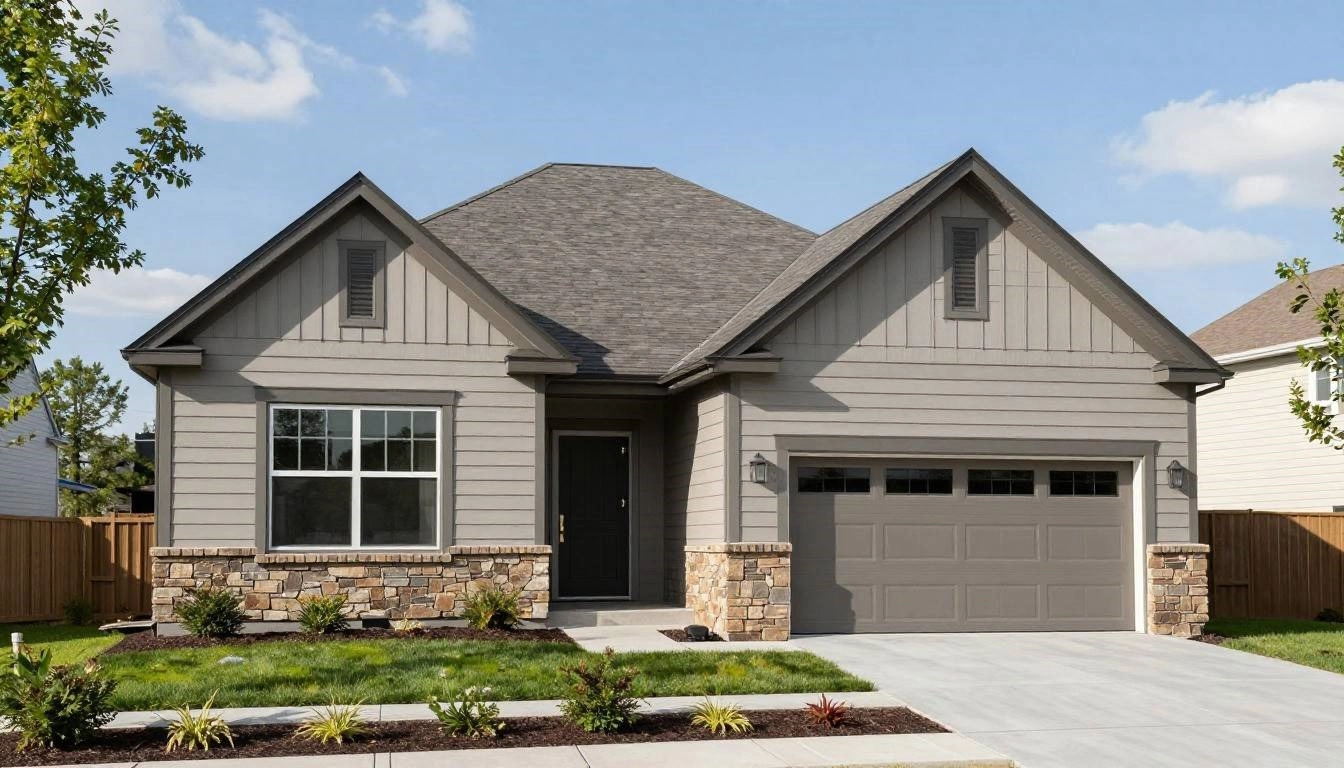
Vinyl siding is a low-maintenance, budget-friendly exterior option for Colorado homes, but it has real tradeoffs against the state's hail and high-UV climate. Here's what holds up and what doesn't before you choose it for a Front Range home.
What is vinyl siding?
Vinyl siding is an exterior covering made from PVC resin, manufactured to mimic wood, brick or stone. It comes in dozens of colors, textures and profiles, which makes it a flexible option across Colorado's mix of ranch, two-story and mountain-modern homes.
Does vinyl siding hold up to Colorado hail?
This is the biggest Colorado-specific tradeoff. Vinyl siding resists rot, moisture and insects well, but it is vulnerable to impact damage. Strong wind-driven hail — common along the Front Range from mid-April through mid-September — can dent or crack panels, and a damaged section is difficult to patch in most cases without replacing the full run. Impact-rated vinyl siding exists and is worth asking about if your property has a history of hail damage.
How does vinyl siding perform under Colorado's UV exposure?
Denver's elevation of 5,280 feet means roughly 25% more UV intensity than sea level. Even UV-resistant modern vinyl siding fades gradually under sustained sun exposure, with darker colors fading faster than light ones. If color consistency matters to you long-term, choose a lighter shade and ask your installer about the UV warranty terms.
Is vinyl siding low-maintenance in Colorado's climate?
Yes, this is where vinyl performs well. It doesn't need painting or staining, and it cleans easily with a power washer or mild detergent. It resists moisture and won't rot, which matters through Colorado's wet spring storms and dry, mag-chloride-dusted winters.
How much does vinyl siding cost in Colorado?
| Siding type | Relative cost |
|---|---|
| Standard vinyl siding | Lowest material and install cost |
| Insulated vinyl siding | Moderate cost, lower long-term energy bills |
| Fiber cement siding | Higher cost, stronger hail and impact resistance |
| Wood or engineered wood siding | Highest maintenance, natural-material resale appeal |
Vinyl remains one of the more affordable exterior options for a Front Range home, with lower installation labor than fiber cement, wood or stone-look materials.
Does insulated vinyl siding help with Colorado energy bills?
Insulated vinyl siding pairs the panel with a foam backing that reduces temperature swings inside the home. In a climate with Colorado's daily temperature range — warm afternoons and cold nights, especially in shoulder seasons — that steadier indoor temperature can lower heating and cooling costs over time.
Does an HOA allow vinyl siding in Colorado neighborhoods?
Many Front Range HOAs and metro districts have specific rules on siding material, color and profile. Before you install or replace siding, check your covenants and get written board approval if required — this applies whether you're doing a full re-side or patching storm-damaged sections.
Do I need a permit to install vinyl siding in Colorado?
Requirements vary by city and county. Some Front Range jurisdictions require a permit for full exterior re-siding but not for minor repairs. Confirm with your local building department before scheduling the work.
What are vinyl siding's environmental drawbacks?
Vinyl is made from PVC, a non-renewable material that is not biodegradable and can release chemicals during production or disposal. If environmental impact is a priority, fiber cement or engineered wood are less petroleum-based alternatives worth pricing against vinyl.
Does vinyl siding affect Colorado resale value?
Vinyl siding is a practical, affordable choice, but some buyers in higher-end Front Range markets prefer the look of natural materials like wood, stone or fiber cement, and appraisers weigh siding material into their condition rating. If you're prepping a home for sale, ask your agent whether your specific market and price point rewards a siding upgrade or whether vinyl is a fine match for the neighborhood.
How does siding condition affect a Colorado home inspection?
Cracked, warped or hail-dented siding is a common item buyers flag during inspection. Addressing visible damage before listing avoids a repair credit request and supports the number in your Smart Pricing Report.
What are today's popular vinyl siding styles for Colorado homes?
Deep blues, charcoal grays and greens are trending on Front Range homes, along with vertical board-and-batten profiles for a modern look and wood-look textures that mimic natural cedar without the maintenance. Browse modern siding ideas before choosing a color and profile, especially if your HOA restricts changes once installed.
How does vinyl siding compare to fiber cement for Colorado's climate?
Fiber cement resists hail impact and wind better than vinyl and holds paint color longer under intense UV, but it costs more to install and needs repainting over time. Vinyl wins on upfront cost and maintenance; fiber cement wins on impact resistance and a closer match to a natural-material look some buyers prefer. Weigh both against your budget and how long you plan to stay in the home.
Can I repair a single damaged vinyl siding panel in Colorado?
Sometimes. If the exact color and profile are still available, a contractor can swap a single damaged panel. Older siding that has faded from years of UV exposure doesn't always match a new panel exactly, which is why some homeowners choose to re-side an entire wall or elevation after a hailstorm rather than patch a visibly mismatched section.
What wind speeds can Colorado vinyl siding withstand?
Vinyl siding products are rated for different wind speeds depending on the manufacturer and installation method, and Front Range wind events, especially downslope wind along the foothills, can exceed lower-end ratings. Ask your installer for the product's wind rating and confirm it matches or exceeds requirements for your specific location.
How do I maintain vinyl siding through a Colorado winter?
Rinse off mag chloride residue that splashes up from winter road treatment, since it can dull the surface over time if left to sit. Check for cracked or loose panels each spring before hail season starts, since a small gap can let moisture behind the siding during spring storms.
Does vinyl siding need underlayment or house wrap in Colorado?
Yes. A proper house wrap or weather-resistant barrier behind vinyl siding matters even more in Colorado's climate, where wind-driven rain and blowing snow can push moisture behind panels that aren't sealed correctly. Ask your installer to confirm the wrap or underlayment spec before installation begins, since this layer is hidden once the siding goes up.
How do I know if it's time to replace rather than repair vinyl siding in Colorado?
If more than 20% to 30% of a wall's siding is cracked, faded unevenly, or showing gaps at the seams, full replacement of that elevation is more cost-effective and better-looking in most cases than patching individual panels that won't match. A contractor walk-through can confirm whether your siding is a repair or replace situation.
Where to go next
- Preparing and adding value before selling
- Pricing your Colorado home to sell
- How long does vinyl siding last
- Denver HOA rules and fees guide
- Top reasons for siding damage
- Search every home for sale in Colorado
Talk to the Kenna Real Estate Group
Whether you're weighing siding materials before a Front Range remodel or pricing a home that needs exterior work, the Kenna Real Estate Group can help you decide what's worth doing before you list. Call or text 303-955-4220. A live person answers. Not a robot, not a phone tree. Ready to look at homes instead? Search every home for sale in Colorado.
Homes for sale that match this post
Guides
Questions about any home in Colorado? Call or text 303-955-4220. A live person answers.