New - 7 Hours Ago
$524,900
Active
6
Beds
4
Baths
3292
Sqft
0.1148
Acres
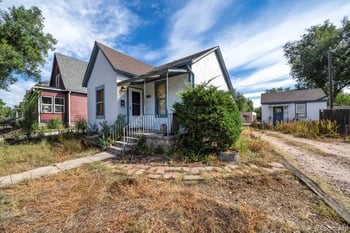
7961 Sandsmere Dr, Colorado Springs, CO 80908
MLS#: 5235349
.jpg)



Call your insurer within 24 to 48 hours, photograph every damaged surface before you touch anything, and get a licensed local roofing contractor on the schedule before you sign with anyone who knocks on your door. Those three moves protect a Colorado insurance claim more than anything else you do after a major storm.
Colorado's hail season runs spring through September, and the Front Range sees some of the highest hail frequency in the country along the Denver, Aurora, Colorado Springs, and Fort Collins corridor. A single afternoon storm can dent siding, crack skylights, and strip shingles across an entire neighborhood at once, which is exactly when insurance adjusters and roofing crews get booked out for weeks. Moving fast and documenting everything puts you ahead of that backlog.
Wait until local authorities confirm the storm has passed and the area is clear of downed power lines before you go outside. Once you're clear to inspect, walk the exterior first: roof, gutters, siding, windows, fences, and outdoor equipment. Photograph and video every surface, including angles that show the full extent of hail dents, cracked shingles, or broken glass. Keep a written log of what you find and the date, because Colorado adjusters compare your notes against the timeline of the storm to confirm the damage matches.
If a window or roof section is open to the weather, cover it with plywood or a tarp the same day. Colorado insurers expect homeowners to take reasonable steps to prevent further damage, and delaying temporary repairs can reduce what a claim pays out.
Most Colorado homeowners policies cover wind and hail damage to the roof, siding, gutters, windows, and fencing as part of standard dwelling coverage. Flooding from rising water is a separate policy through the National Flood Insurance Program; standard homeowners coverage does not include it. Many Front Range insurers also carry a separate, higher wind and hail deductible: 1% to 2% of the dwelling coverage amount rather than a flat dollar figure, so read your declarations page before you assume a $1,000 deductible applies.
| Damage type | Standard policy covers this | Needs separate coverage |
|---|---|---|
| Hail and wind damage to roof, siding, windows | Yes, standard policy | No |
| Rising floodwater | No | NFIP flood policy |
| Wind-driven rain through a hail-cracked roof | Yes, as a wind claim | No |
| Fallen tree damage to structures | Yes, standard policy | No |
| Sewer or drain backup from a storm | No | Sewer backup endorsement |
Call your insurer as soon as you have photos and a damage log. Ask for the claim number, the adjuster's contact information, and your deductible amount in writing. When the adjuster visits, walk the property with them and point out every area you documented, not just the roof. Get two or three repair estimates from licensed, Colorado-registered roofing contractors before you agree to a scope of work, and confirm each contractor carries liability insurance and workers' compensation.
Hail season brings out storm chasers: out-of-state crews that go door to door offering free inspections and pressure you to sign a contract on the spot. Check for a Colorado business license, a physical local address, and online reviews before signing anything, and never pay the full cost upfront. A licensed local roofer who has handled hundreds of Front Range roof insurance claim cases start to finish can walk you through documentation, code-upgrade coverage, and the adjuster meeting so nothing gets missed. You are free to work with any contractor you choose.
A full asphalt shingle roof replacement after hail damage on a typical 2,000 square foot Denver metro home runs $12,000 to $22,000 before insurance, depending on pitch, material, and whether code requires upgraded underlayment or ice-and-water shield. Most of that cost is covered once a claim is approved, minus your deductible.
Front Range storms strip leaves, snap branches, and can uproot trees with shallow root systems in the region's clay soil. Clear sharp debris first, then assess standing trees for split trunks or exposed roots before deciding whether to trim a branch or call in professional removal. Stake young trees that have loosened at the base, and avoid heavy fertilizer right after storm stress; a slow-release feeding once new growth appears works better in Colorado's dry air and altitude. Storm-damaged trees left unaddressed can also complicate a future sale, since buyers and inspectors both flag dead or split limbs during a walkthrough.
Standing water and wind-driven rain through a compromised roof need to be addressed within 24 to 48 hours to limit mold growth. Remove standing water with a wet vacuum or sump pump, run fans and a dehumidifier, and pull out carpet, pad, or drywall that stayed wet more than two days. A licensed water damage restoration company can document moisture readings for your insurance file, which matters if mold remediation becomes part of the claim.
Colorado's seller disclosure form asks directly about known roof leaks, past insurance claims, and prior storm or hail damage. Disclose it. A completed, documented repair with a paid invoice and a transferable roof warranty reassures a buyer far more than silence does, and it avoids a dispute after closing. If a storm hits while your home is already under contract, most Colorado purchase contracts allow the buyer to re-inspect and, depending on timing relative to the inspection objection deadline, request repairs or a price adjustment before closing.
Sellers preparing to list after storm repairs should also see the guide to preparing and adding value before selling and get a current number with a Colorado home pricing report before setting an asking price.
Along the foothills from Boulder to Colorado Springs, storm season overlaps with wildfire risk. Clearing gutters of dry debris, trimming branches away from the roofline, and maintaining defensible space around the structure reduce both hail-related water intrusion and wildfire exposure. Many Front Range counties publish free defensible-space inspection programs worth scheduling once a year.
Colorado renters should photograph damage immediately and notify the landlord in writing the same day; the landlord's insurance covers the structure, not a tenant's personal belongings. A renters insurance policy covers personal property loss from wind, hail, and related water intrusion, and it is inexpensive relative to the replacement cost of furniture and electronics.
A straightforward roof or siding claim with clear documentation moves from first report to approved payment in two to six weeks. Claims involving structural damage, mold remediation, or a dispute over the scope of repairs can run two to four months. Colorado law requires insurers to acknowledge a claim within a set number of days and to explain any denial or delay in writing, so keep every email and letter from the adjuster in the same file as your damage photos.
Mold can start growing within 24 to 48 hours in a wet Colorado basement or crawlspace, even with the region's dry air, because trapped moisture behind drywall doesn't dry the way exposed surfaces do. If drywall, insulation, or carpet padding stayed wet more than two days, plan on removal rather than drying in place. A restoration company that documents moisture readings at each stage gives your insurer the evidence needed to approve remediation as part of the claim rather than treating it as a separate, out-of-pocket expense.
Impact-resistant Class 4 shingles cost $1,500 to $3,000 more upfront than standard shingles on an average roof, but many Colorado insurers offer a premium discount for installing them, which can offset the difference over several years. Trimming branches away from the roofline, securing loose gutters, and anchoring outdoor furniture before storm season starts each spring all reduce the odds of a repeat claim the next time hail moves through the Front Range.
The Kenna Real Estate Group helps Front Range homeowners time repairs, disclosures, and listing decisions around storm damage so a claim never turns into a lost sale. Call or text 303-955-4220. A live person answers. Not a robot, not a phone tree. Ready to see what's on the market today? Search every home for sale in Colorado.
Questions about any home in Colorado? Call or text 303-955-4220. A live person answers.
Within 24 to 48 hours. Colorado insurers expect prompt reporting, and early reporting also gets you an adjuster appointment before the post-storm backlog builds.
It covers the repair or replacement cost above your wind and hail deductible, which on many Front Range policies runs 1% to 2% of your dwelling coverage rather than a flat dollar amount.
Confirm a Colorado business license, a local physical address, and current liability insurance before signing anything, and never pay the full job cost upfront.
Yes. Colorado's seller disclosure form asks about known roof leaks and prior storm or insurance claims, and a documented, paid repair reassures buyers more than silence.
No. Standard Colorado homeowners policies exclude rising floodwater, which requires a separate NFIP flood policy.
Most Colorado purchase contracts let the buyer re-inspect after new damage and, depending on timing against the inspection objection deadline, request repairs or a price credit before closing.
A full asphalt shingle replacement on a 2,000 square foot home runs $12,000 to $22,000 before insurance, depending on pitch and code-required underlayment upgrades.
Yes. The landlord's policy covers the building structure, not a tenant's belongings, and renters insurance is inexpensive relative to replacing furniture and electronics after wind or hail damage.