New - 15 Hours Ago
$220,000
Active
1
Beds
1
Baths
668
Sqft
--
Acres
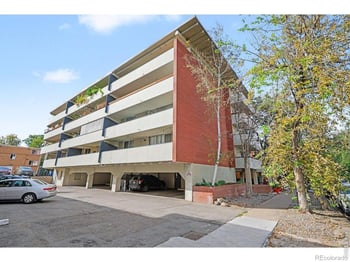
1267 N Lafayette St #302, Denver, CO 80218
MLS#: RECIR1070056
.jpg)



A disputed property damage claim happens when a Colorado homeowner and their insurer, or an at-fault party, disagree on what caused the damage or what it is worth. In Colorado, the most common trigger is hail: a roof or siding claim gets denied, discounted, or blamed on age instead of storm damage, and the homeowner is left covering repairs, or a stalled home sale, while the dispute plays out.
The insurer either denies the claim outright, offers a payout the homeowner considers too low, or argues the damage existed before the storm or incident in question. From there, Colorado homeowners have a structured set of options for reaching a fair property damage settlement: an internal appeal, an independent appraisal, mediation, or, as a last resort, a lawsuit. Each step takes time, and the roof or siding stays damaged while the process runs.
The Front Range sits in one of the most active hail corridors in the country, with hail season running from spring through September, and insurers see enough hail claims each year to scrutinize them closely. Common disputes involve whether cosmetic granule loss on a roof counts as functional damage, whether the damage is from this storm or an earlier one, and whether the roof was already near the end of its life before the hail hit.
Most Colorado property policies include an appraisal clause that lets either side demand an independent valuation when they can't agree on the dollar amount of the damage. Each side hires its own appraiser; if those two don't agree, they select a neutral umpire whose decision settles the dispute in most cases. This route is faster and less expensive than going to court, and it only resolves the value of the damage, not whether the claim is covered at all.
Mediation puts both sides in a room, sometimes virtually, with a neutral third party who helps negotiate toward a settlement. It's voluntary, not legally binding, and either party can walk away without an agreement. Many Colorado disputes settle here because it gives both sides a structured way to negotiate without the cost of a lawsuit.
Litigation is the last step, used when internal appeals, appraisal and mediation all fail to resolve the dispute. A property damage lawsuit in Colorado can result in a judgment covering the damages plus, in cases where the insurer acted in bad faith, additional penalties and attorney's fees. This route takes the longest, stretching into months in many cases, and homeowners weigh that timeline against the size of the disputed amount before filing.
If a homeowner believes an insurer is acting in bad faith or dragging out a claim without a legitimate reason, the Colorado Division of Insurance accepts consumer complaints and can investigate the insurer's conduct. This sits alongside, not instead of, the appraisal and mediation process, and a complaint alone does not force a specific payout.
Dealing With Property Damage Before Selling Your Colorado Home? Let us help you. Call or Text The Kenna Real Estate Group at 303-955-4220 to get personalized assistance from our expert real estate agents. Find out what your home is worth in today's market.
An open or disputed claim complicates a sale on several fronts: buyers' lenders want clarity on the property's condition, title companies ask about outstanding claims tied to the property, and a buyer's own inspector will flag unresolved storm or water damage regardless of what the insurance dispute concludes. Resolving or at least documenting the dispute before listing keeps the transaction from stalling mid-contract.
Colorado sellers complete a seller's property disclosure that covers known defects and material facts about the home's condition, and a disputed damage claim tied to the roof, foundation or other structural systems falls within what needs to be disclosed in most cases. Sellers should talk with their agent about how to describe a pending or resolved dispute accurately on the disclosure form.
A buyer's inspector who finds storm or water damage tied to an open dispute can raise it during the inspection objection period set in the Colorado contract, and the seller then has to negotiate a resolution, a credit, or a repair before the deadline passes. Sellers who know about a dispute ahead of time can get ahead of this by resolving it, or at least documenting it clearly, before the home goes under contract.
Hail-related claims are a routine part of owning a home along the Front Range, given how many damaging storms hit the region between spring and fall. Homeowners who have owned a Denver metro home for several years without a roof replacement should expect at least one hail claim conversation with their insurer over that time.
Colorado law requires insurers to acknowledge and respond to claims within set timeframes, and an insurer who sits on a claim without communicating can be part of a bad faith complaint. Ask the insurer directly for their claim timeline in writing so you have a record of what was promised.
Yes. A lender financing a purchase or a refinance wants to know the home's true condition, and an open claim for roof, structural or water damage can delay or complicate underwriting until it's resolved. If a disputed claim is affecting your ability to refinance or finance repairs, Mike Oswald at Rate (NMLS 261003, Equal Housing Lender) can talk through financing options once the claim is further along — you are free to use any lender. Kenna Credit Care can also help fund repairs while a claim is still working through the dispute process.
A public adjuster works for the homeowner instead of the insurance company and can help build a stronger claim file, particularly on larger or more complicated disputes. They charge a percentage of the settlement in most arrangements, so weigh that cost against the size of the disputed amount and how confident you feel handling the appraisal or mediation process directly.
Colorado law allows a homeowner to pursue additional damages when an insurer unreasonably delays or denies a valid claim without a legitimate basis. This is a legal determination, not something a homeowner declares on their own, and it surfaces mainly after other resolution steps have already failed.
Start with the appraisal clause if the dispute is purely about value, gather your own contractor estimates to support the higher number, and escalate to mediation if the appraisal doesn't close the gap. A property damage attorney can give an independent read on whether the payout is genuinely too low or whether the estimates simply differ on scope.
The Kenna Real Estate Group helps Colorado homeowners work through a disputed property damage claim while keeping a sale or purchase on track, and connects sellers with the disclosure and repair-credit strategies that keep a transaction moving. Call or text 303-955-4220. A live person answers. Not a robot, not a phone tree. Ready to see what your home is worth even with an open claim? Search every home for sale in Colorado.
Questions about any home in Colorado? Call or text 303-955-4220. A live person answers.
Common reasons include disagreement over whether damage is cosmetic or functional, whether it came from this storm or an earlier one, and the roof's age at the time of the storm.
A policy provision that lets either side demand an independent valuation when they can't agree on the dollar value of the damage. Each side hires an appraiser, and a neutral umpire settles disagreements between them.
No. Mediation is voluntary, and either side can walk away without reaching an agreement, though many disputes do settle there.
In most cases, yes. A disputed claim tied to a structural or material issue falls within what a seller's property disclosure needs to cover.
It can. A buyer's inspector who finds related damage can raise it during the inspection objection period, and the seller then has to negotiate a repair, credit or resolution before the deadline.
Photos of the damage, a written estimate from a licensed contractor, and a dated log of every call and letter exchanged with the insurer.
Yes. Lenders want clarity on a home's condition before financing or refinancing. Mike Oswald at Rate (NMLS 261003, Equal Housing Lender) can discuss options once a claim is further along, and you are free to use any lender.
Use the appraisal clause if the dispute is about value, back your position with independent contractor estimates, and move to mediation if the appraisal doesn't close the gap.