.jpg)


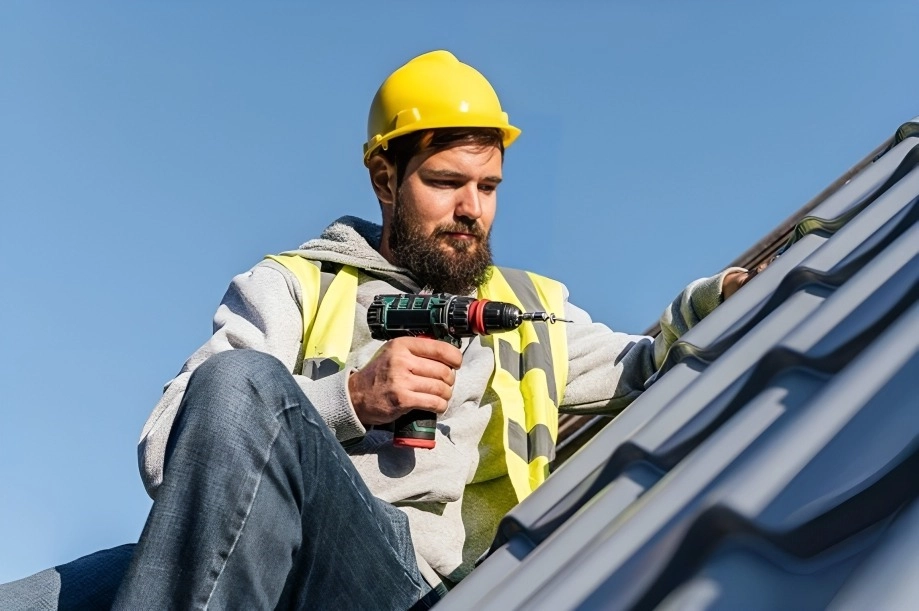
Before hiring a roofing contractor in Colorado, ask for the specific city or county license number, proof of liability and workers' compensation insurance, and a written bid that separates material, labor, and permit cost. A contractor who cannot answer all three directly is not the right choice for a Front Range roof. Here is the full list of questions worth asking before you sign anything.
Why the First Five Minutes of a Call Tell You a Lot
A legitimate Front Range roofer answers a phone call or returns a message with a real name, a company address, and a willingness to schedule an in-person inspection at your convenience rather than pressuring you toward an immediate appointment. A company that avoids giving a physical address or only communicates through a personal cell number is worth a closer look before you proceed.
Is the Contractor Licensed to Work in Your Colorado City or County
Colorado has no statewide roofing license, so licensing happens at the city or county level. Denver, Aurora, Colorado Springs, Lakewood, and most Front Range cities require a contractor license or registration before issuing a roofing permit, and unincorporated Jefferson, Douglas, Arapahoe, and Adams counties license separately through their own building departments. Ask which jurisdiction the license covers and confirm it matches your address before signing anything.
Timing the Question: Before, During and After the Bid
Ask licensing and insurance questions before you even schedule an in-person estimate, so you are not wasting time with an unlicensed crew. Ask material and warranty questions during the bid walkthrough while the contractor is on your roof. Ask about cleanup and final walkthrough procedures after you have already narrowed the field to your top two or three choices.
Insurance and Bonding: What to Verify
Request the contractor's certificate of insurance directly from their insurance provider, not a photo or screenshot, and confirm both general liability and workers' compensation are active. A bond, where required by the local jurisdiction, adds another layer of protection if the work does not meet code.
Colorado's Law on Insurance Deductibles and Storm-Chasing Contractors
Colorado law (HB 13-1290) prohibits a roofing contractor from advertising that it will pay, waive, or rebate your insurance deductible, and requires a 72-hour right to cancel on contracts tied to an insurance claim. Treat any deductible-waiver pitch as a legal red flag. Out-of-state crews that appear right after a hailstorm and disappear once the season ends are the group most apt to skip local licensing and insurance altogether.
Confirming Who Actually Shows Up to Do the Work
Ask whether the company that bids the job is the same company whose crew shows up to install it, since some sales-focused companies subcontract the physical work to a separate crew you never meet during the bidding process. Knowing this upfront helps you know who to call if a warranty issue comes up later.
Questions About Materials, Impact Rating and Warranty
- What is the specific impact rating of the shingle? Ask for the Class 4 rating documentation, not a general hail-resistant claim.
- What does the manufacturer's material warranty cover, and for how long?
- What does your labor warranty cover separately from the material warranty?
- Will you replace damaged decking as part of the base bid, or is that a change order?
Questions About Financing and Payment Structure
Ask what the payment schedule looks like: a reasonable structure ties payments to material delivery and completed milestones rather than a large deposit before any work starts. If financing the project, ask whether the contractor offers in-house financing or whether you should arrange it separately through your own lender or the Colorado home financing guide.
Questions About Permits, Timeline and Cleanup
Ask who pulls the permit and confirm it will be posted before work starts. Ask for a realistic start date and how many days the job will take, since a legitimate local crew books out further during peak hail season from spring through midsummer. Ask specifically about nail and debris cleanup, including a magnetic sweep of the yard and driveway.
How Colorado's Climate Should Shape Your Questions
Ask specifically how the contractor handles Class 4 impact-rated shingle installation, since fastening requirements differ from standard shingles and matter for the insurance discount to apply correctly. Ask how they plan around Colorado's mid-April to mid-September hail season if your project falls during that window, including what happens if a storm hits mid-project.
Comparing Local vs National Roofing Companies
A national or regional roofing brand can carry strong buying power on materials, but a local Front Range company with a permanent office and long-standing local references regularly responds faster for warranty issues later. Ask any company, local or national, exactly which crew will be on your roof and whether that crew is a direct employee or a subcontractor.
How to Check References and Local Reviews
References and reviews together give a fuller picture than either alone, since reviews show pattern over time while a direct reference call lets you ask follow-up questions. Ask for three recent addresses on the Front Range and call at least one. Cross-check the company's name against your city or county's contractor license lookup if one is available, and read recent reviews rather than only the ones featured on the contractor's own site.
Red Flags: Door-Knockers, Cash-Only Deals and Pressure Tactics
A contractor who knocks on your door uninvited right after a storm, asks for full payment upfront in cash, or pressures you to sign the same day without comparing bids is worth walking away from. A legitimate Colorado roofing company gives you time to compare at least three bids and answers licensing and insurance questions without hesitation.
What to Do If a Contractor Refuses to Answer
A legitimate contractor answers licensing, insurance, and warranty questions directly and without hesitation. If a contractor deflects, gets defensive, or rushes you toward a signature instead of answering, treat that as your answer and move to the next bid on your list. Trust the pattern across several conversations more than any single answer in isolation.
Getting the Bid in Writing Before Any Work Starts
A complete written bid itemizes material cost, labor cost, tear-off and disposal, permit fees, and the exact scope of work, including whether it is a full tear-off or an overlay. Keep every bid you collect, even the ones you reject, until the project is complete and the final invoice matches what was agreed. Compare at least three bids covering the same scope before choosing, and confirm the payment schedule ties to project milestones rather than a large upfront deposit.
Where to go next
- Preparing and Adding Value Before Selling
- The Colorado Home Seller's Guide
- Denver HOA Rules and Fees Guide
- The 10 Best Roofing Companies in Pueblo, Colorado
- Colorado Hail and Roof Costs: What South Denver Right-Sizers Actually Need to Compare
- Search every home for sale in Colorado
Talk to the Kenna Real Estate Group
The Kenna Real Estate Group can point Front Range homeowners toward the local licensing and permit questions that matter most before a roofing project starts, especially ahead of a home sale. Call or text 303-955-4220. A live person answers. Not a robot, not a phone tree. Ready to see what's on the market? Search every home for sale in Colorado.
Homes for sale that match this post
Guides
Questions about any home in Colorado? Call or text 303-955-4220. A live person answers.