.jpg)


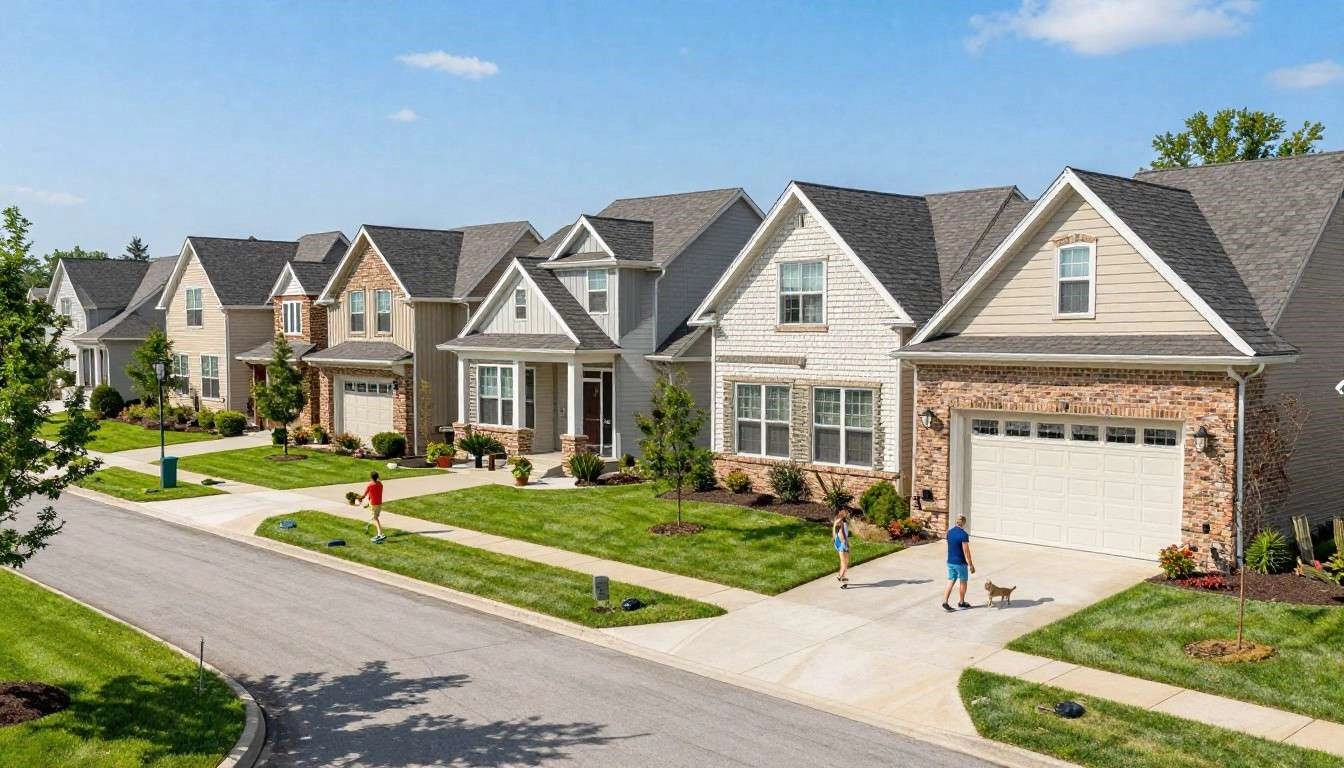
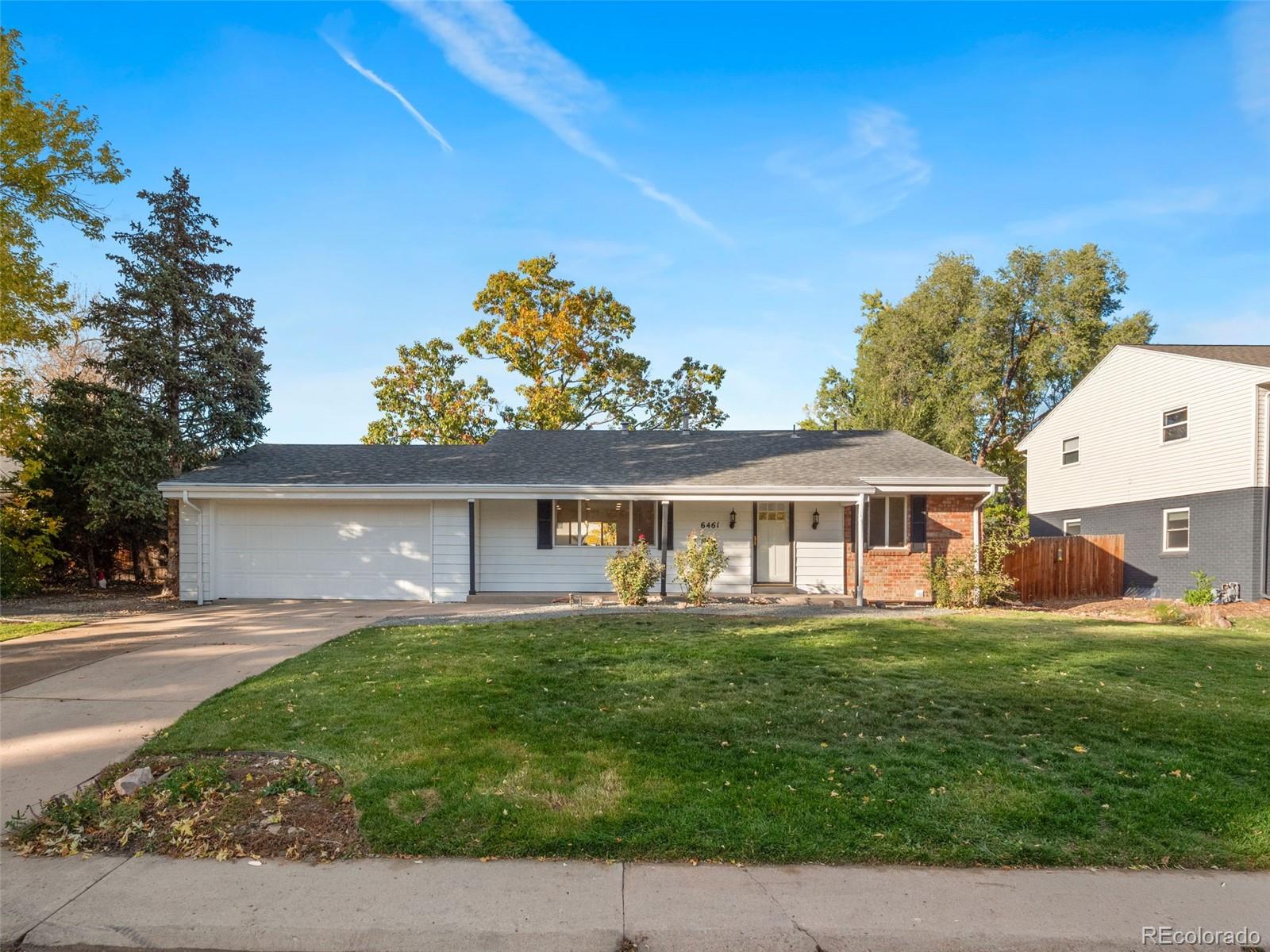
Highlands Ranch, Colorado sits in Douglas County southwest of Denver, unincorporated with no city government of its own, and nearly every neighborhood belongs to the Highlands Ranch Community Association, which charges a mandatory annual assessment for its rec centers, trails, and parks. Here is what changes for a household relocating to Highlands Ranch, from HOA layering to commute time to the specific soil and weather conditions Douglas County buyers should plan around.
Highlands Ranch prices above the Denver metro median for comparable square footage, reflecting its larger lots, newer construction, and the amenity package that comes with HRCA membership. Home values have risen steadily over the past several years alongside demand from buyers relocating from more expensive coastal markets. Compare current listings against a Smart Pricing Report for a specific neighborhood before setting a purchase budget.
The Highlands Ranch Community Association is a mandatory, non-profit association separate from any single neighborhood's own HOA; most Highlands Ranch homes carry both an HRCA assessment and a smaller neighborhood-level HOA fee. HRCA membership includes access to four recreation centers with pools, fitness facilities, and community events, along with trail and open-space maintenance across the community. Confirm the current HRCA assessment and any neighborhood-specific HOA dues before writing an offer; both appear on the seller's disclosure. The HRCA, rec centers, and water guide covers what to check before closing.
The full Highlands Ranch neighborhood guide breaks down price ranges and lot sizes across all of these areas in more depth.
Highlands Ranch sits roughly 20 to 25 miles south of downtown Denver via C-470 and I-25, with a drive time of 30 to 50 minutes depending on the hour. Rush-hour traffic on C-470 backs up predictably in both directions; a household with a downtown Denver job should test the actual commute at typical drive times before committing to a specific neighborhood.
Highlands Ranch sits at roughly 5,800 feet, higher than downtown Denver's 5,280, which means slightly cooler temperatures and stronger UV exposure. Hail season runs from late spring through the end of summer across Douglas County, and homeowners insurance in the area reflects that with hail-resistant roofing incentives. Expansive, bentonite-heavy clay soils are common throughout Douglas County; a foundation and drainage inspection is worth the cost on any older Highlands Ranch home before closing.
Xcel Energy provides electric and gas service, and the Highlands Ranch Metro District supplies water and wastewater service, separate from Denver Water. A homeowner moving from a Denver Water service area should confirm the new provider's rate structure and any watering restrictions before the first summer.
Both communities sit south of Denver with strong HOA structures and newer housing stock; the tradeoffs come down to commute distance, lot size, and price point. The Highlands Ranch vs. Castle Rock comparison lays out the specific commute, space, and cost differences side by side.
Highlands Ranch was built around vehicle access, and most residents drive for daily errands and commuting. The community's trail network connects neighborhoods to the Town Center and to several parks, making walking and biking realistic for shorter trips even though a car remains the default for most household transportation.
A Highlands Ranch mortgage pre-approval should factor in both the HRCA assessment and the neighborhood HOA dues, since a lender counts recurring HOA costs against the debt-to-income ratio the same way a car payment counts. Review the Colorado mortgage pre-approval guide and confirm the exact dues for a target neighborhood before finalizing a budget. Mike Oswald at Rate (NMLS 261003, Equal Housing Lender) works with buyers relocating into Douglas County on pre-approval that accounts for HOA-heavy communities like Highlands Ranch; you are free to use any lender.
The Denver Tech Center, roughly a 15 to 20 minute drive north, anchors a large share of the tech, financial services, and health care employment for Highlands Ranch residents, alongside a growing base of local employers in Douglas County itself. A remote-friendly household gets the added flexibility of a home office setup without the daily commute; a household tied to a downtown Denver office should weigh the C-470 commute against homes closer to I-25.
Highlands Ranch itself is largely built out, with most new construction happening in neighboring Douglas County communities such as Sterling Ranch and parts of Castle Rock rather than within Highlands Ranch's own boundaries. A buyer set on new construction should compare the new construction homes in Colorado by area page against Highlands Ranch resale inventory before choosing a target area.
Highlands Ranch's condo, townhome, and sub-association inventory gives downsizing buyers a lower-maintenance option without leaving the community's rec centers and trail network behind. The Highlands Ranch condo, townhome, and sub-association guide covers the HOA layering specific to these smaller-footprint options.
Highlands Ranch itself sits on the plains side of Douglas County, outside the wildland-urban interface zones that affect foothills communities like Sedalia or parts of unincorporated Douglas County closer to the mountains. Homeowners insurance underwriting has tightened statewide over the past several years regardless of a specific property's wildfire exposure, so get a firm insurance quote before removing a financing contingency on any Highlands Ranch purchase.
A move into a Highlands Ranch HOA community commonly requires an architectural review for exterior changes, a move-in fee in some neighborhoods, and specific rules on trailer or RV parking; check the governing documents before moving day rather than after. Book a mover familiar with the area's HOA move-in windows, since several Highlands Ranch communities reserve loading zones or restrict truck size on residential streets. Confirm the HOA's move-in fee and paperwork deadline with the property manager as soon as a contract goes under agreement, since some communities require documents filed a week or more before the closing date.
The Kenna Real Estate Group works across Douglas County and knows the HRCA assessment structure, the neighborhood-by-neighborhood HOA differences, and the commute tradeoffs a Highlands Ranch move involves. Ask for the printable Highlands Ranch relocation checklist in the form below and we email it the same day. Call or text 303-955-4220. A live person answers. Not a robot, not a phone tree. Or search every home for sale in Colorado to compare Highlands Ranch against nearby Douglas County communities.
Questions about any home in Colorado? Call or text 303-955-4220. A live person answers.
The Highlands Ranch Community Association, a mandatory non-profit that nearly every home in the community belongs to. It runs four recreation centers, trails, and open space, funded by an annual assessment on top of any neighborhood-level HOA dues.
No. Highlands Ranch is unincorporated Douglas County, governed by the county and by HRCA for community amenities, rather than by its own city council.
Roughly 20 to 25 miles, a 30 to 50 minute drive via C-470 and I-25 depending on the hour, with predictable rush-hour backups on C-470.
Nearly all of them carry HRCA membership at minimum, and many neighborhoods add a second, neighborhood-specific HOA with its own dues and architectural rules.
Xcel Energy provides electric and gas. The Highlands Ranch Metro District provides water and wastewater, a different provider than Denver Water.
Both sit south of Denver with strong HOA structures and newer construction; the practical differences come down to commute distance, average lot size, and price point by neighborhood.
An extensive trail network connects neighborhoods to the Town Center and to parks, making walking and biking realistic for shorter trips, though most residents drive for daily errands.
Expansive, bentonite-heavy clay soils are common across Douglas County. A foundation and drainage inspection is worth the cost on any older home in the area before closing.