New - Just Now
$400,000
Coming Soon
4
Beds
4
Baths
1852
Sqft
0.11
Acres
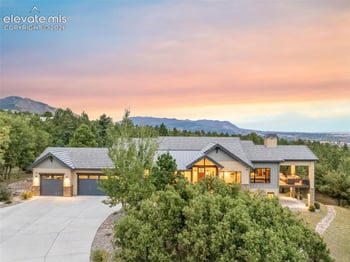
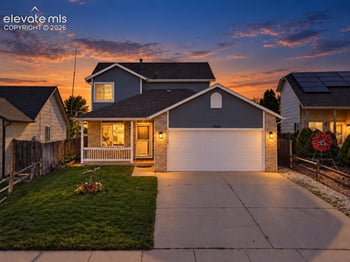
1040 Red Brooke Dr, Colorado Springs, CO 80911
MLS#: 2124370
.jpg)


A Colorado neighborhood is checked with a clock, a map and two visits: the clock for the commute at 7:30 a.m., the maps for metro district taxes, flood zones, wildfire risk and noise, and the visits to see the street on a weekday evening and on the morning after a snowstorm. The Kenna Real Estate Group runs this checklist on every neighborhood a buyer shortlists across the Denver metro, Colorado Springs and Northern Colorado. This post gives you the same list, with where to find each answer.
Every item changes either the monthly payment or the daily experience. Two homes at the same price in Parker and Centennial carry different tax bills, different water bills, different drive times and different snow on the driveway. Start with explore the Denver metro area for the city-by-city picture, then apply the checks below to the two or three neighborhoods that remain.
Distance means nothing on the Front Range; minutes at 7:30 a.m. and 5:15 p.m. mean everything. I-25 through the Tech Center, I-70 through the Mousetrap, US-36 to Boulder and C-470 at Santa Fe all run at two to three times their off-peak time on weekdays. Drive the route yourself at the real hour before you offer. Then check the alternatives: an RTD rail station within 10 minutes (the E, R, W, G, N and A lines), an express lane you would pay for, and whether the office moves to hybrid days.
Write the minutes down for each neighborhood on your list. A commute that is 25 minutes longer each way costs about four hours a week, and buyers who skip this test are the ones who sell again in three years. The Highlands Ranch commute breakdown shows what the numbers look like for one south-metro suburb.
Front Range neighborhoods sell on trail access, and it is measurable. Highlands Ranch has more than 70 miles of trails and four HRCA recreation centers paid by the community association. Denver's Central Park neighborhood was built around a 80-acre central green. Cherry Creek Trail, the High Line Canal, the South Platte River Trail, Clear Creek Trail in Golden and Arvada, and the Poudre River Trail in Fort Collins and Windsor each connect dozens of neighborhoods without a car. Open the city's parks map, find the nearest trailhead and regional park, and time the walk or ride from the front door. Then read the Highlands Ranch area guide or the Central Park area guide for the neighborhood-level detail.
Most Front Range subdivisions built after 1995 sit inside a metropolitan district, a special taxing district that repays the developer's roads, water lines and parks through a mill levy on every home for decades. The county assessor's property page lists every taxing district on the parcel, and the county treasurer's page shows the levy and the dollars. Compare the total tax bill on a $600,000 home in a 2015 district in Erie, Castle Rock or Commerce City against a $600,000 home in a 1990 neighborhood in Littleton or Arvada with no district; the gap is thousands of dollars a year. The full explanation is in how HOAs, metro districts and taxes affect Denver metro buyers.
An HOA in Colorado is governed by the Colorado Common Interest Ownership Act, and the seller must deliver the declaration, bylaws, rules, budget, reserve study and meeting minutes under the Colorado contract. Read four things: the monthly dues and what they cover (trash, water, snow removal, exterior maintenance), the reserve balance against the reserve study, any special assessment voted or discussed in the last two years of minutes, and the rules on rentals, RV parking, fences and xeriscape. A townhome community with a $180,000 reserve and a $900,000 roof cycle coming is a special assessment waiting for you. The Denver HOA rules and fees guide covers the documents line by line.
Front Range flooding comes from creeks, not rivers, and the September 2013 storm put water in homes along Boulder Creek, the St. Vrain, the Big Thompson, Coal Creek and Fountain Creek. Look the address up on FEMA's Flood Map Service Center and on the county's own floodplain map, which draws a wider line in several counties. A home in a Special Flood Hazard Area needs flood insurance if it has a federally backed loan, and the premium belongs in your monthly payment math. Also look at the lot itself: a walkout basement at the low end of a cul-de-sac collects the whole street's runoff.
Wildfire risk on the Front Range is not limited to the foothills. The Marshall Fire on December 30, 2021 burned more than 1,000 homes in Louisville, Superior and unincorporated Boulder County, in flat suburban neighborhoods next to grassland. The Colorado State Forest Service publishes the Colorado Wildfire Risk Public Viewer by address, and Colorado's Division of Insurance now requires carriers to give homeowners their wildfire risk score. Get an insurance quote on the specific address during the inspection period, not after. Foothills neighborhoods in Evergreen, Conifer, Golden, Boulder and Black Forest carry premiums two to four times a comparable Aurora home and some carriers decline them outright. Read check the wildfire score before you decide for the process.
Noise is the neighborhood fact that photos hide. The sources on the Front Range are known, and each has a map.
Visit twice, once on a weekday evening and once on a Saturday morning, and open the car windows.
The empty field behind the fence has a plan. Every Front Range city posts its land use map, current development applications and planning commission agendas online, and the Kenna Real Estate Group pulls them on every shortlisted address. Look for a new arterial road, a warehouse or distribution center, a multi-family project on the corner, or a cell tower, and look for the good version too: a planned park, a rail station or a grocery store. In Weld County and parts of Adams, Broomfield and Arapahoe County, also check the state's Energy and Carbon Management Commission map for existing and permitted oil and gas wells; the current state setback from new wells to homes is 2,000 feet, but older wells sit closer.
Water on the Front Range is delivered by more than a hundred separate providers, and the price varies more than any other utility. Denver Water serves Denver and many inner suburbs at relatively low rates from mountain reservoirs. Castle Rock, Parker and parts of Douglas County have historically relied on deep groundwater and charge more per gallon, with summer tiers that punish a bluegrass lawn. Some rural Elbert, Weld and Larimer County homes are on a private well and septic, which means a well test, a septic inspection and a county transfer inspection at sale. Ask for twelve months of water bills with the seller's disclosure. The Kenna Real Estate Group's Front Range relocation checklist lists the questions by county.
Colorado's 300 days of sun melt a south-facing driveway the afternoon after a storm. A north-facing driveway, or one shaded by a two-story house to the south, holds ice for weeks in January and February and needs a shovel and salt at 6 a.m. Sidewalks in front of north-facing homes on an east-west street stay icy too, and city code makes the owner clear them within 24 hours in Denver and most suburbs. Stand in the driveway and find south. On a west-facing lot, the afternoon sun also turns a July patio unusable without a cover.
List the ten places you go every week and time each one from the front door: grocery, pharmacy, gym, primary care, dentist, hardware store, veterinarian, coffee, the nearest urgent care and the nearest hospital emergency room. Ten minutes is the threshold most Kenna Real Estate Group buyers set. Dental care is a fair example of the range: routine cleanings sit in every strip center, while practices offering everything from fillings through advanced cosmetic options cluster near the larger medical campuses. Put the list on a map and the neighborhood either passes or it does not.
Two $600,000 homes with the same loan carry different payments once property tax, HOA dues, flood or wildfire insurance and water are added. The Kenna Real Estate Group builds the full monthly number for every shortlisted neighborhood before a buyer offers. Mike Oswald, VP of Mortgage Lending at Rate, NMLS 261003, Equal Housing Lender, prices the loan with the real taxes and insurance for the address; you are free to use any lender. Loan options are on the Colorado home financing guide, and the how we help buyers page covers the search itself.
| Check | Where to find it | What it changes |
|---|---|---|
| Commute minutes | Your own drive at 7:30 a.m. and 5:15 p.m.; RTD map | Hours per week |
| Parks and trails | City parks map; HRCA or district site | Daily use, resale demand |
| Metro district | County assessor and treasurer pages | Property tax by thousands per year |
| HOA | Declaration, budget, reserve study, minutes | Dues, special assessments, rules |
| Flood zone | FEMA Flood Map Service Center; county floodplain map | Flood insurance premium |
| Wildfire risk | Colorado Wildfire Risk Public Viewer; carrier quote | Insurance premium and availability |
| Noise | DIA noise map; two site visits | Sleep, home office, resale |
| Future development | City planning applications and land use map | Traffic, views, value |
| Water provider | Seller disclosure; provider rate sheet | Summer bills, landscaping |
| Lot orientation | Compass in the driveway | Ice, shoveling, patio use |
The Kenna Real Estate Group at Keller Williams DTC runs this checklist on every neighborhood our buyers shortlist, from the tax parcel to the flight path, and hands you the numbers before you offer. Call or text 303-955-4220. A live person answers. Not a robot, not a phone tree. Or search every home for sale in Colorado by city and neighborhood.
Questions about any home in Colorado? Call or text 303-955-4220. A live person answers.
Open the county assessor's page for the parcel and read the list of taxing districts, then open the treasurer's page for the mill levy and the dollar amount. Most subdivisions built after 1995 have one.
Only if the home sits in a FEMA Special Flood Hazard Area and you have a federally backed loan, but creek-side homes outside the zone flooded in 2013 too. Look the address up on the FEMA map and the county floodplain map.
Use the Colorado State Forest Service's Wildfire Risk Public Viewer, then get an actual insurance quote on the address during the inspection period. Colorado carriers now give homeowners their wildfire risk score.
Green Valley Ranch, northeast Aurora, Commerce City and Brighton sit under DIA arrivals and departures; east Aurora hears Buckley jets; Lone Tree, Centennial and Parker hear Centennial Airport; Broomfield and Superior hear Rocky Mountain Metro. DIA publishes a noise contour map.
The state's current setback for new wells is 2,000 feet from homes, but wells permitted before 2021 sit closer in Weld, Adams, Broomfield and Arapahoe County. The Energy and Carbon Management Commission map shows every well.
Rates differ several times over between providers. Denver Water customers pay less per gallon than groundwater-dependent Douglas County towns, and summer tiers make a lawn expensive. Ask for twelve months of bills.
Three times: a weekday at 7:30 a.m. for the commute, a weekday evening at 5 to 7 p.m. for traffic and noise, and the morning after a snowstorm to see which driveways and sidewalks stay icy.
Under the Colorado contract the seller delivers the declaration, bylaws, rules, current budget, reserve study, financial statements and recent meeting minutes. Read the reserves and the minutes for special assessments first.