New - 7 Hours Ago

$734,900
Coming Soon
5
Beds
4
Baths
2788
Sqft
0.2
Acres
2383 S Holland St, Lakewood, CO 80227
MLS#: 8790494
.jpg)


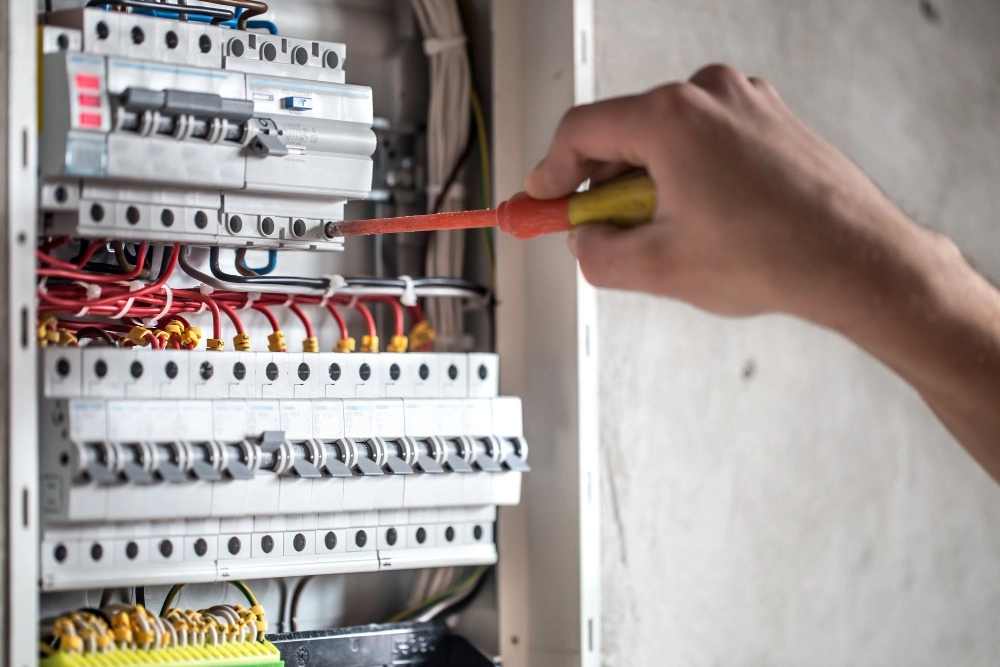
Nearly every Colorado home built after the 1960s runs a mix of standard outlets, GFCI-protected outlets near water, and increasingly, higher-voltage outlets for EV chargers and large appliances. Knowing the difference matters at resale, during a renovation, and any time a homeowner is deciding whether an outlet needs a licensed electrician or a simple swap. A quick outlet audit before listing, or before finishing a basement in Denver, Lakewood, or Aurora, prevents a surprise electrical finding from showing up during a buyer's inspection.
Most general-purpose outlets in a Colorado home run on a 15-amp circuit, rated for lamps, electronics, and small appliances. Kitchen countertops and laundry rooms need 20-amp circuits under the National Electrical Code, which powers higher-draw appliances without tripping the breaker. A 20-amp outlet accepts both 15-amp and 20-amp plugs; a 15-amp outlet does not accept a 20-amp plug, which is identifiable by its distinct T-shaped slot.
Ground fault circuit interrupter outlets cut power within milliseconds if they detect current leaking to ground, protecting against shock near water. Colorado code, following the National Electrical Code, requires GFCI protection in kitchens, bathrooms, garages, unfinished basements, and any outdoor outlet. Front Range homes built before the mid-1970s frequently lack GFCI protection entirely, and adding it is one of the more common upgrades an inspector flags during a Denver-area home sale.
Arc fault circuit interrupter protection detects the electrical signature of a dangerous arc, the kind that starts an electrical fire inside a wall, and shuts the circuit down before it ignites. Current code requires AFCI protection in bedrooms, living rooms, and most other living spaces in new construction and major renovations across Colorado. A panel with combination AFCI/GFCI breakers is the more efficient way to add both protections during a panel upgrade rather than swapping individual outlets room by room.
A Level 2 EV charger, an electric range, a clothes dryer, and a workshop welder all need a 240-volt outlet rather than the standard 120-volt household circuit. Adding a 240-volt garage outlet for an EV charger runs $800 to $2,500 in most Front Range homes depending on the distance from the electrical panel and whether the panel has spare capacity. Xcel Energy offers time-of-use electricity rates that make overnight EV charging notably cheaper than daytime charging, which is worth factoring into when a new 240-volt circuit gets used.
| Outlet Type | Amps / Volts | Where It Belongs |
|---|---|---|
| Standard duplex | 15A / 120V | Living rooms, bedrooms |
| Kitchen / laundry | 20A / 120V | Countertops, laundry rooms |
| GFCI | 15A or 20A / 120V | Kitchens, baths, garages, outdoors |
| AFCI | 15A or 20A / 120V | Bedrooms, living spaces |
| 240-volt (dryer, range, EV) | 30A to 50A / 240V | Laundry, kitchen range, garage EV charger |
Two-prong, ungrounded outlets show up in Denver, Wheat Ridge, and Arvada homes built before the mid-1960s, before grounded wiring became standard practice. A two-prong outlet is not automatically a fire hazard on its own, but it cannot without damage run a grounded, three-prong appliance without an adapter, and it signals the branch circuit wiring behind it predates modern code. A licensed electrician can evaluate whether the wiring needs a full upgrade or whether a GFCI outlet, which provides shock protection without a ground wire, is an acceptable interim fix.
Smart outlets that track usage or switch on a schedule help a homeowner spot which appliances draw the most power, useful information against Xcel Energy's time-of-use rates that charge more during afternoon peak hours. Pairing a smart outlet with a large appliance, a space heater, or a window AC unit shows exactly how much shifting that appliance's use to off-peak hours saves over a billing cycle.
Outdoor outlets need a weatherproof, in-use cover rather than the simple flip-lid cover common on older installations, since a flip-lid cover only protects the outlet when nothing is plugged in. Colorado's UV intensity at altitude and its freeze-thaw temperature swings degrade cheap plastic outlet covers faster than in milder climates, and a cracked cover exposes the outlet to snow and irrigation runoff, both of which are common triggers for a GFCI trip.
A 100-amp panel was standard in Denver metro construction through the 1970s and still serves plenty of smaller homes without issue. Adding a 240-volt EV charger, a hot tub circuit, or central air conditioning to a home with a 100-amp panel and limited spare capacity means a panel upgrade to 150 or 200 amps first in most cases. A licensed electrician can calculate existing load against planned additions, which is the right first call before assuming a new outlet is a simple add-on.
Swapping a like-for-like outlet is not permit work in most jurisdictions. Adding a new circuit, a 240-volt outlet, or upgrading a panel needs an electrical permit through the City and County of Denver or the relevant county building department, and the inspection confirms the wiring meets current code before it gets closed up behind drywall. Unpermitted electrical work is one of the more common findings that surfaces during a title or inspection review on a Front Range home sale.
A short walk-through catches most of what an inspector will find: plug a simple circuit tester into every outlet to confirm grounding, test each GFCI's trip and reset buttons, and note any two-prong outlets or visibly discolored cover plates. Ask for the printable checklist in the form below and we email it the same day.
A home inspector checks outlet grounding, GFCI presence in required areas, and any signs of a two-prong system with a simple plug-in tester, and a failed test on multiple outlets becomes a line item in the inspection report. Addressing missing GFCI protection or an outdated panel before listing keeps that conversation off the negotiating table and supports the pricing in a Smart Pricing Report. Buyers browsing older Front Range neighborhoods should ask directly about panel age and outlet grounding before writing an offer.
The Kenna Real Estate Group helps Front Range sellers understand what an inspector will flag on an older electrical system, and helps buyers weigh panel age and outlet condition before writing an offer. Call or text 303-955-4220. A live person answers. Not a robot, not a phone tree. Ready to look at homes instead? Search every home for sale in Colorado.
Questions about any home in Colorado? Call or text 303-955-4220. A live person answers.
A 20-amp outlet has a distinct T-shaped slot and accepts both 15-amp and 20-amp plugs. Kitchens and laundry rooms need 20-amp circuits under the National Electrical Code; general living spaces use 15-amp circuits.
Kitchens, bathrooms, garages, unfinished basements, and any outdoor outlet need GFCI protection under the National Electrical Code as adopted in Colorado. Homes built before the mid-1970s frequently lack it and need it added.
AFCI protection detects a dangerous electrical arc inside a wall and shuts the circuit down before it starts a fire. It is required in bedrooms and most living spaces in new construction and major renovations.
Installing a 240-volt garage outlet for an EV charger runs $800 to $2,500 in most Front Range homes, depending on distance from the panel and whether the panel has spare capacity.
A two-prong outlet is not automatically dangerous, but it signals ungrounded branch wiring behind it and cannot run a grounded appliance without an adapter. A licensed electrician can evaluate whether a GFCI outlet or a full rewire makes sense.
A like-for-like outlet swap does not need a permit in most jurisdictions. Adding a new circuit, a 240-volt outlet, or a panel upgrade needs an electrical permit and inspection in most Front Range jurisdictions.
A smart outlet tracks how much power an appliance draws, which helps a homeowner shift high-draw devices to off-peak hours under Xcel's time-of-use pricing and lower the total bill.
It can. A home inspector tests grounding and GFCI presence, and a failed test on multiple outlets becomes a line item in the inspection report unless it is addressed before listing.


