New - 1 Hour Ago
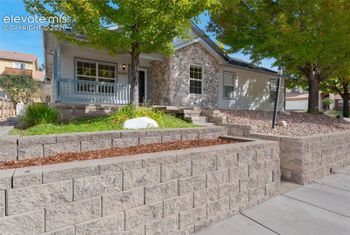
$574,900
Active
5
Beds
3
Baths
2722
Sqft
0.1669
Acres
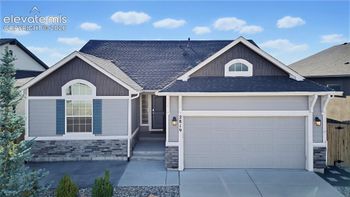
5603 Saddle Rock Rd, Colorado Springs, CO 80918
MLS#: 7594739
.jpg)


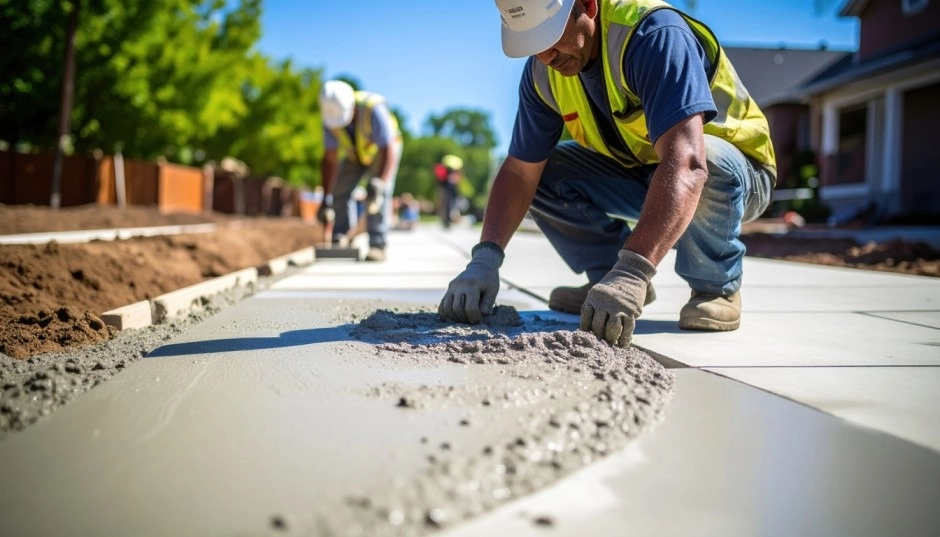
An asphalt overlay adds a new surface layer over existing pavement for less money and less time; a full replacement removes everything down to the base and rebuilds it. On the Front Range, the deciding factor is almost always what is happening underneath the surface, specifically how Colorado's freeze-thaw cycles and expansive clay soil have treated the base beneath the driveway.
An overlay cleans the existing surface, patches cracks, applies a tack coat, and lays 1.5 to 2 inches of new asphalt on top of what is already there. Full replacement removes the old asphalt entirely, regrades and compacts the base, and rebuilds the driveway from the ground up, including drainage.
An overlay on a standard two-car residential driveway runs $2,500 to $5,000 on the Front Range, depending on square footage and how much crack repair the base needs before the new layer goes down. It runs 40% to 60% cheaper than full replacement for the same driveway.
Full asphalt replacement runs $6,000 to $12,000 for a standard residential driveway, with concrete replacement running higher, at $10,000 to $18,000 in most cases, because of material and labor cost differences. Larger driveways, steep grades, and drainage corrections all add to the total.
An overlay works when the base underneath is stable and cracking is limited to surface-level wear: minor alligator cracking, fading, and small potholes without deeper base failure. A licensed paving contractor checks base integrity with a core sample or a visual assessment of crack depth before recommending either option.
Replacement is necessary when the base has shifted, when cracks run wider than half an inch and extend through multiple seasons, when standing water pools on the surface, or when an overlay has already been applied once and failed. Layering a second overlay on a failed base is a short-term fix that fails faster than the first one did.
Water that seeps into small cracks expands when it freezes overnight and contracts again during the day, widening the crack a little more with each cycle across a Front Range winter. This freeze-thaw pattern, combined with more than a hundred freeze-thaw days a year along the Front Range, is the single biggest driver of pavement failure in Colorado compared to milder climates.
Magnesium chloride, the de-icer most Front Range cities and HOAs use on roads and shared drives, accelerates asphalt surface wear and speeds up the freeze-thaw cracking cycle when it pools on a driveway. Rinsing mag chloride residue off a driveway after a storm and using sand for traction on a private driveway instead reduces this damage.
Bentonite clay, common across the Denver metro and Colorado Springs, expands when wet and contracts when dry, and that movement shifts and cracks a driveway's base independent of anything happening on the surface. A driveway built without proper base compaction over clay-heavy soil cracks again within a few years even after a full replacement.
Yes, work that affects the driveway apron in the public right-of-way requires a permit from Denver's Transportation and Infrastructure department; work confined entirely to private property, away from the curb cut, does not in most cities. Other Front Range cities and counties set their own rules, so it is worth checking with the local building department before scheduling the crew.
Many Front Range HOAs specify approved paving materials, colors, and edging in their architectural guidelines, and some require board approval before a driveway project begins. Check the HOA's covenants and submit for approval before signing a contractor, since redoing an approved-but-wrong-color driveway is an avoidable cost.
An overlay lasts 8 to 12 years on the Front Range with regular sealing every 2 to 3 years, assuming the base underneath stays sound. Skipping sealcoat maintenance shortens that lifespan meaningfully given the number of freeze-thaw cycles a Colorado driveway goes through each winter.
A properly built full-depth asphalt driveway lasts 15 to 20 years on the Front Range with the same sealing schedule; a concrete driveway can reach 25 to 30 years but costs more upfront and cracks less predictably along expansion joints.
Late spring through early fall, once overnight lows stay reliably above 50 degrees, is the paving window along the Front Range, since asphalt needs warm, dry conditions to compact and cure correctly. Scheduling work before the first fall freeze avoids a rushed job at the end of the season.
A cracked, patched, or heaving driveway is one of the first things a buyer notices pulling up to a showing, and it signals deferred maintenance before the front door even opens. A driveway in good repair supports a stronger first impression and removes an easy negotiating point for a buyer during the home preparation process, and the cost of an overlay project runs far less than the price reduction a bad driveway invites during negotiations.
Standing water after a rain, depressions or low spots, cracks that reappear in the same location after a patch, and edges that have separated from the adjoining sidewalk or garage slab all point to base or drainage failure rather than a simple surface problem. A paving contractor's core sample confirms whether the base has failed before committing to an overlay.
Get at least two written estimates from licensed Front Range paving contractors, each stating the base condition, the thickness of new asphalt to be applied, and whether the price includes crack sealing and edge work. A wide price gap between two bids on the same driveway points to a difference in base preparation in most cases, not just markup, so ask each contractor to explain the base work included in their number.
| Factor | Asphalt | Concrete |
|---|---|---|
| Installed cost (2-car driveway) | $6,000-$12,000 | $10,000-$18,000 |
| Typical lifespan | 15-20 years | 25-30 years |
| Freeze-thaw cracking | More frequent, easier to patch | Less frequent, harder to patch invisibly |
| Maintenance | Sealcoat every 2-3 years | Sealant every 3-5 years |
Visit KennaRealEstate.com for more Front Range home maintenance guides tied to resale value.
The Kenna Real Estate Group flags driveway and hardscape condition during every listing consultation, since it is one of the first things a buyer sees before stepping inside a Front Range home. Call or text 303-955-4220. A live person answers. Not a robot, not a phone tree. Ready to buy or sell? Search every home for sale in Colorado.
Questions about any home in Colorado? Call or text 303-955-4220. A live person answers.
A standard two-car driveway overlay runs $2,500 to $5,000 on the Front Range, roughly 40% to 60% less than full replacement.
Full replacement runs $6,000 to $12,000 for a standard Front Range residential driveway; concrete replacement runs $10,000 to $18,000.
Freeze-thaw cycles, water seeping into small cracks and expanding overnight, drive most Front Range pavement damage, and mag chloride de-icer speeds up the cracking.
Layering a second overlay on a base that has already failed once is a short-term fix, and it fails faster than the first overlay did.
Work on the driveway apron in the public right-of-way requires a Denver Transportation and Infrastructure permit; work confined to private property does not in most cases.
Late spring through early fall, once overnight lows stay reliably above 50 degrees, gives asphalt the warm, dry conditions it needs to cure correctly.
Yes. Expansive bentonite clay under the base continues to shift with moisture, so proper base compaction matters as much as the surface material chosen.
A driveway in good repair removes an easy negotiating point for buyers and supports a stronger first impression at a showing.