New - 1 Day Ago

$940,000
Active
5
Beds
4
Baths
3834
Sqft
0.16
Acres
825 Huntington Dr, Highlands Ranch, CO 80126
MLS#: 8209794
.jpg)


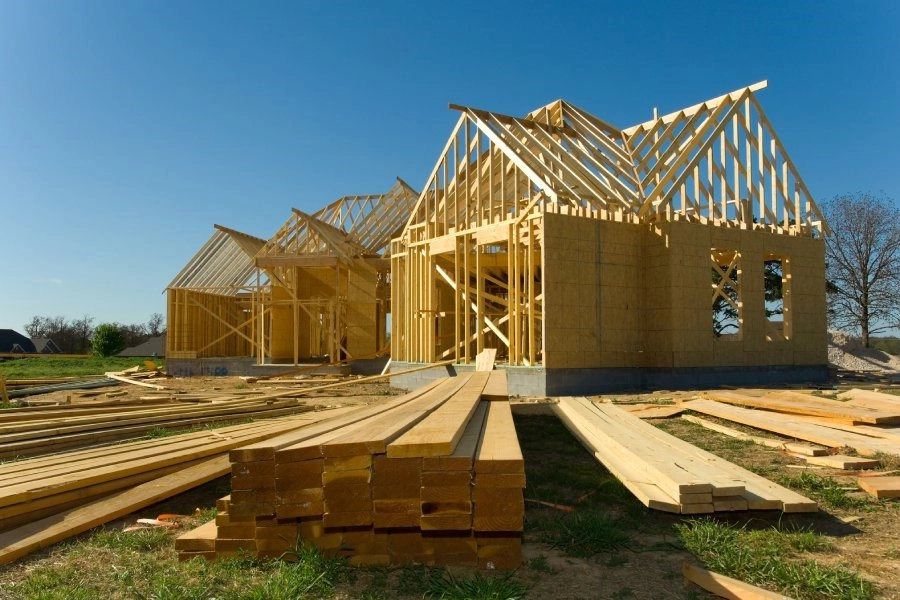
A detailed cost estimate for a Front Range custom home, built room by room and system by system before ground breaks, is the single step that keeps a build inside its budget. Skip it and a build that penciled out at $450,000 on a napkin regularly finishes $75,000 to $150,000 over, once soil work, permits, and finish selections are priced for real.
Land cost adds a separate line on top of construction pricing, and Front Range lot prices range from $150,000 for an infill lot in an established Denver neighborhood to $400,000 or more for a view lot in Highlands Ranch, Castle Rock, or the foothills west of Golden. A complete budget prices the lot, the soils work, the structure, and every finish selection as four separate line items rather than one blended number.
Custom construction across the Denver metro runs $220 to $400 per square foot for a standard finish level, and $400 to $650 or more per square foot for a high-end build, before land cost. A 3,000 square foot home lands between $660,000 and $1.2 million in hard construction costs alone, depending on finish level, lot condition, and how far the site sits from utilities.
| Cost category | Typical share of budget | Where estimates go wrong |
|---|---|---|
| Site work and foundation | 10% - 15% | Soil condition not tested before pricing |
| Framing and shell | 20% - 25% | Lumber pricing shifts between bid and build |
| Mechanical (HVAC, plumbing, electrical) | 15% - 20% | Altitude-rated equipment priced as sea-level equipment |
| Interior finishes | 20% - 30% | Allowances set too low for the selections a buyer actually wants |
| Permits and fees | 3% - 6% | County and metro district fees quoted late |
Much of the Front Range sits on expansive bentonite clay soil that swells when wet and shrinks when dry, and a foundation designed for that movement costs more than a standard slab or crawlspace. A geotechnical soils report, run before the foundation is designed, costs $1,500 to $4,000 and determines whether the home needs a post-tension slab, a structural floor system, or deep piers, each with a different price tag.
Most Front Range counties and municipalities require a soils report before issuing a building permit for new construction. Skipping this step to save a few thousand dollars is the single most common reason a custom home foundation ends up costing far more than the original estimate, because the design has to change once soil behavior is known.
Permit and review fees vary by jurisdiction: Denver, Douglas County, Jefferson County, and El Paso County each set their own building permit, plan review, and tap fee schedules, and a metro district on the lot can add its own infrastructure fees on top. A detailed estimate calls the jurisdiction directly for a current fee schedule rather than using a number from a build in a different county.
HVAC equipment, water heaters, and some appliances need derating or altitude-specific models above 5,000 feet, and a contractor unfamiliar with Front Range construction sometimes prices sea-level equipment that later needs to be swapped. Building the correct equipment into the original estimate avoids a change order mid-build.
A rough estimate uses a price-per-square-foot number and a general finish level; a detailed estimate prices site work, structure, mechanical systems, and every finish selection against real Front Range vendor quotes. Lenders financing a custom build require the detailed version before issuing a construction loan, and it is the version worth paying a builder or estimator to produce even before you own the lot. Munter Construction's guide to budgeting for a custom home build walks through the same line-item approach.
The three categories that account for most overruns on Front Range builds are foundation work once soil is understood, finish selections that exceed the original allowance, and change orders requested mid-build. Building a 10% to 15% contingency into the original budget, rather than treating contingency as optional, absorbs most of what a detailed estimate cannot predict exactly.
A construction-to-permanent loan finances the build in draws tied to completed phases, then converts to a standard mortgage at closing. Mike Oswald at Rate (NMLS 261003, Equal Housing Lender) works with Front Range buyers on construction loan structure and timing; you are free to use any lender. The Kenna Real Estate Group's Colorado home financing guide covers loan types, and Kenna Credit Care prepares a file before you apply.
A lot inside an existing Denver metro subdivision with utilities already at the property line prices differently than a rural or mountain-adjacent lot that needs a well, a septic system, or an extended utility run. Well and septic installation alone can add $30,000 to $60,000 to a build budget that a suburban infill lot never needs, so pricing the lot and the utility connections before pricing the house avoids the biggest early surprise in a custom estimate.
Colorado's roughly 300 days of sun a year and its hail season, concentrated from spring through September, push most Front Range builders toward Class 4 impact-resistant roofing and UV-stable siding and trim from the start, rather than standard-grade materials that fail early. Class 4 shingles cost 10% to 20% more than standard shingles up front and can lower a homeowners insurance premium enough to offset part of the difference over the life of the roof.
An existing home in the Denver metro closes in 30 to 45 days at a known price; a custom build takes 9 to 18 months and carries real cost risk between the estimate and the final invoice. Buyers who want a specific lot, layout, or finish level accept that timeline and risk; buyers who want speed and price certainty are better served searching the resale market first, in most cases.
Colorado Springs and El Paso County custom builds run 5% to 15% below Denver metro pricing for a comparable finish level, largely on lower labor and land costs, though both markets carry the same soils and altitude considerations. Fort Collins and Larimer County builds land closer to Denver pricing on labor while offering somewhat lower land costs outside the immediate city core. A detailed estimate priced against local vendors, not a statewide average, is the only number worth budgeting against.
The Kenna Real Estate Group helps Front Range buyers weigh a custom build against the resale market, and connects buyers who choose to build with lots, builders, and financing that fit a real budget. Call or text 303-955-4220. A live person answers. Not a robot, not a phone tree. Looking to buy instead of build? Search every home for sale in Colorado.
Questions about any home in Colorado? Call or text 303-955-4220. A live person answers.
Standard finishes run $220 to $400 per square foot; high-end finishes run $400 to $650 or more, before land cost.
Much of the region sits on expansive bentonite clay that swells and shrinks with moisture. The soils report determines the foundation type, which changes the price significantly.
Build in 10% to 15% of the total budget as contingency for change orders, finish upgrades, and site conditions a detailed estimate does not fully predict.
Yes. Denver, Douglas, Jefferson, and El Paso counties each set their own permit, plan review, and tap fee schedules, and a metro district can add infrastructure fees on top.
Most Front Range custom builds take 9 to 18 months from permit to closing, depending on lot condition, design complexity, and finish selections.
Buying existing is faster and carries less cost risk. Building custom costs more in time and budget uncertainty, but delivers a lot, layout, and finish level a buyer chooses directly.
A construction-to-permanent loan funds the build in draws and converts to a standard mortgage at completion. Mike Oswald at Rate (NMLS 261003, Equal Housing Lender) structures these; you are free to use any lender.


