New - 19 Hours Ago

.jpg)


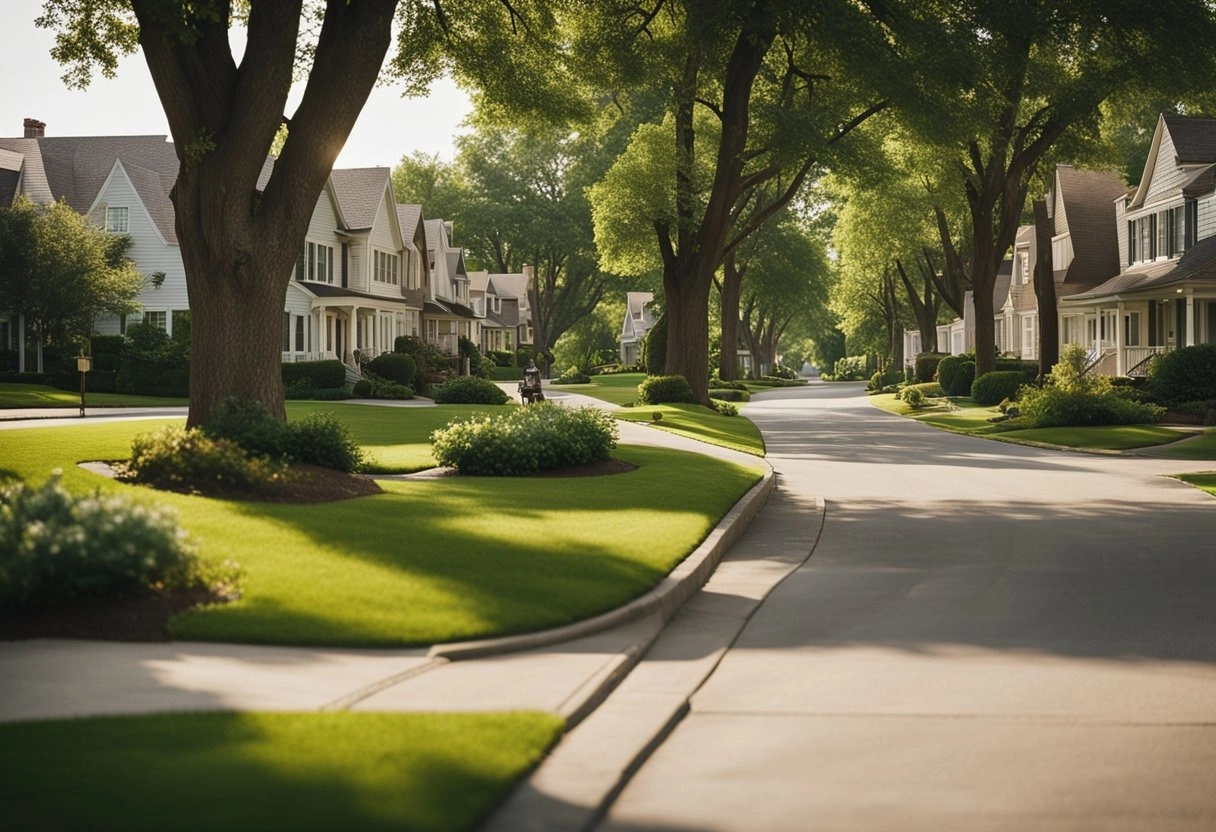
A Colorado suburb worth moving to gives you a walkable downtown, real trail access from your own street, and a commute to Denver under 30 minutes without fighting I-25 the whole way. Four Front Range suburbs hit all three: Castle Rock, Golden, Lone Tree and Arvada, each for a different reason, and each with its own trade-off worth understanding before you commit to a neighborhood.
Golden's Washington Avenue and Arvada's Olde Town both run on a historic downtown grid with restaurants, breweries and shops within a 10-minute walk of the center, not a strip mall built around a parking lot. Castle Rock's downtown sits a few blocks from the county courthouse and keeps its own calendar of markets and events separate from anything Denver runs. Newcomers moving from a walkable city elsewhere in the country notice the difference immediately between these downtowns and a newer subdivision with no center at all.
A walkable core also changes the day-to-day math: fewer errands require the car, and a Saturday morning coffee run or dinner out does not mean a drive onto the highway first.
Castle Rock's Philip S. Miller Park covers close to 300 acres with a zip line, amphitheater and miles of connected trail. Golden sits against the foothills with Clear Creek running through downtown and North and South Table Mountain both open for hiking straight from the edge of town. Arvada's Ralston Creek trail links Olde Town to the regional trail network without a car.
For a newcomer choosing between two similar-priced homes, trail access from the actual street, not just from the city in general, is worth checking on foot before closing. A park marked on a map two miles away is a very different daily experience than one at the end of the block.
Golden and the foothill edge of Arvada sit a few hundred feet higher than downtown Denver, which means slightly cooler summer evenings and a bit more snow accumulation in a given storm. None of the four suburbs profiled here reach true mountain elevation, so the day-to-day adjustment is mild compared with a move straight into the high country.
All four still sit inside Colorado's hail belt, so a newer roof and a hail-rated shingle are worth asking about on any home built in the last decade, regardless of which suburb you choose.
Golden runs around 20 to 25 minutes to downtown Denver on US-6 or I-70 outside rush hour. Arvada runs a similar 20 to 25 minutes, plus a G Line commuter rail stop into Union Station. Castle Rock and Lone Tree both sit closer to 25 to 35 minutes down I-25, and Lone Tree adds a RidgeGate light rail station on the D Line for a car-free option into downtown.
Castle Rock and Lone Tree carry a heavier share of homes built in the last 20 years than Denver proper, which means newer mechanical systems and fewer inspection surprises, but also a metro district charge layered onto the property tax bill in a lot of those neighborhoods. Golden and Arvada mix older, established blocks near downtown with newer builds farther out.
A newer home also means a newer roof and HVAC system heading into hail season and a Colorado winter, which is worth weighing against the character and lower HOA overhead an older Golden or Arvada block offers instead.
Lone Tree anchors around Park Meadows, Castle Rock around its outlet center and downtown core, and Golden and Arvada around their historic main streets. In each case, groceries, dining and a Saturday morning coffee run stay inside city limits.
Golden and Arvada mix older, smaller homes near downtown with pricier newer construction farther out, which gives a newcomer more entry points on price than a single new-build subdivision does. Castle Rock and Lone Tree skew toward newer construction overall, which raises the typical entry price but lowers near-term maintenance costs. Pull current comparable sales for the specific street, not the city average, before setting a budget.
Drive the actual commute at the time of day you would normally make it, not at a quiet mid-afternoon hour. Walk the downtown core on a weekday evening and again on a weekend morning, since the feel of a main street changes a lot between the two. Ask directly about HOA dues, metro district charges and any pending special assessment before writing an offer.
Talk to a broker who actively works each suburb rather than relying on a single visit to form the whole impression. A street two blocks off the main corridor can feel entirely different from the one you toured.
Newer Front Range subdivisions, especially in Castle Rock, Lone Tree and Highlands Ranch, run through an HOA or a metro district that funds parks, roads and in some cases a rec center through its own line-item on the tax bill. Older neighborhoods in Golden and Arvada carry no HOA at all at a much higher rate. Ask for the HOA or district budget before you write an offer, not after, and confirm whether the district still carries construction debt, since that affects how long the added charge stays on the bill.
Neither model is automatically better. An HOA-funded rec center and consistent landscaping standards appeal to some newcomers; the lower cost and fewer rules of an HOA-free block in Golden or Arvada appeal to others. Decide which trade-off fits before you fall for a specific house.
| Suburb | Approx. commute to downtown Denver | Signature outdoor feature |
|---|---|---|
| Castle Rock | 25 - 35 minutes (I-25) | Philip S. Miller Park |
| Golden | 20 - 25 minutes (US-6/I-70) | Clear Creek and Table Mountain trails |
| Lone Tree | 25 - 30 minutes (I-25) or RidgeGate light rail | Park Meadows and regional trail links |
| Arvada | 20 - 25 minutes or G Line rail | Ralston Creek trail and Olde Town |
The Kenna Real Estate Group walks newcomers through commute times, HOA budgets and amenity comparisons for every Front Range suburb before they pick a city, not after. Call or text 303-955-4220. A live person answers. Not a robot, not a phone tree. Search every home for sale in Colorado at kennarealestate.com/homes.
More reading: Moving to Denver: a newcomer's guide and The 6 Northern Colorado Towns Topping Every 'Best Places to Live' List.
Questions about any home in Colorado? Call or text 303-955-4220. A live person answers.
A walkable downtown, real trail access from the neighborhood, and a commute to Denver under 30 minutes without relying on I-25 the whole way.
Golden runs closer, around 20 to 25 minutes on US-6 or I-70. Castle Rock runs 25 to 35 minutes down I-25 depending on traffic.
Arvada connects through the G Line and Lone Tree connects through the D Line at the RidgeGate station, both running into Union Station.
Newer subdivisions in Castle Rock, Lone Tree and Highlands Ranch commonly run through an HOA or metro district with its own budget line. Older Golden and Arvada blocks carry no HOA at a much higher rate.
A close to 300-acre regional park in Castle Rock with a zip line, amphitheater and a connected trail network, one of the larger municipal parks on the south Front Range.
Lone Tree around Park Meadows, Castle Rock around its outlet center and downtown, and Golden and Arvada around their historic main streets.


