Open: Sat 11:00 AM - 1:00 PM

$937,000
Coming Soon
4
Beds
2
Baths
1878
Sqft
0.15
Acres
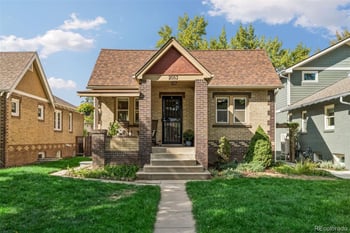
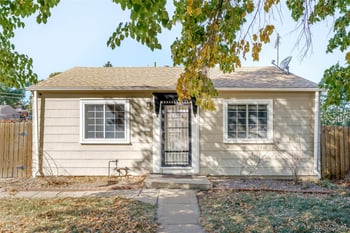
2908 W 40th Ave, Denver, CO 80211
MLS#: REC8536645
.jpg)


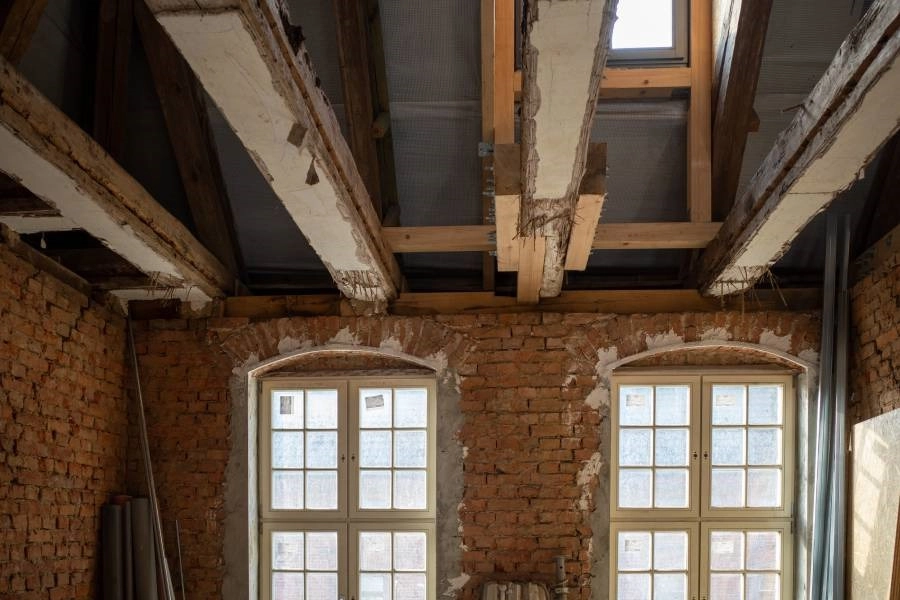
Restoring a vintage building in Colorado starts with one question: is the property inside a designated historic district, and if so, what does that district's design review board require before you touch the exterior? Denver alone has more than 50 designated historic districts and individual landmarks, from Capitol Hill and Baker to Curtis Park and Witter-Cofield, and each one comes with its own review process, tax incentives, and old-house quirks that a newer build simply doesn't have.
A home can be "old" without being "historic" in the legal sense. Denver recognizes a property as historic when it is individually designated as a Denver landmark, listed on the National Register of Historic Places, or located inside one of the city's designated historic districts, such as Baker, Capitol Hill, or Five Points. Only designated properties fall under Denver Landmark Preservation review. A 1920s bungalow outside a district can be renovated under standard building permit rules with none of the added design review.
Yes, for structural work, electrical, plumbing, and most exterior changes, the City and County of Denver requires a standard building permit through Community Planning and Development, the same as any other renovation. What's different for a landmark property is the added step before that permit: exterior changes visible from the public right-of-way need design review first.
A Certificate of Appropriateness, or COA, is Denver's sign-off that an exterior change to a designated landmark property fits the building's original character. You need one before replacing windows, re-roofing with a different material, adding a porch or addition, repointing brick with the wrong mortar mix, or changing the paint scheme on masonry. Staff-level review handles minor changes in a few weeks; larger projects go to the Denver Landmark Preservation Commission, which meets monthly and can add two to three months to a project timeline. Budget for this step before you set a renovation deadline.
Colorado offers a state income tax credit for rehabilitating a designated historic property: 25% of qualified rehabilitation costs up to $50,000 in credit for most residential projects, and 30% for projects on income-qualified or rural properties, administered through History Colorado. The building must be individually listed or a contributing structure in a district, and the work has to meet the Secretary of the Interior's Standards for Rehabilitation. Combined with local Denver incentives, this credit can offset a meaningful share of a masonry or roofing bill on a landmark home.
Only with a Certificate of Appropriateness, and Denver's review board requires original wood windows to be repaired rather than replaced. If a window is beyond repair, the replacement has to match the original in material, profile, and divided-light pattern. Vinyl replacement windows are routinely denied on designated properties. Budget for a wood-window restoration specialist rather than a standard window-replacement contractor.
Colorado's hail season runs from spring through September, and the Front Range sees some of the highest hail frequency in the country. On a historic home with an original slate, tile, or wood-shake roof, hail damage repair has to match the original material under landmark rules, which costs significantly more than a standard asphalt shingle replacement and can take longer to source. Get a roof inspection every spring before hail season starts, and keep photo documentation of the roof's condition for insurance claims.
Denver's low humidity and roughly 300 days of sun a year dry out old wood trim, sash, and siding faster than in wetter climates, leading to checking and shrinkage that opens gaps for water intrusion. Original lime-mortar brick joints need repointing with a matching soft mortar mix; using modern Portland cement mortar on a pre-1950s brick building traps moisture and accelerates brick face spalling over freeze-thaw cycles. This is one of the most common restoration mistakes on Denver's older brick housing stock.
Any home built before 1978 is presumed to have lead-based paint under federal rules, and any contractor disturbing more than six square feet of painted surface on that home has to be lead-paint-certified and follow required lead-dust containment practices, including cleanup verification. This applies whether the home is designated historic or not. Ask your contractor for their EPA Renovation, Repair, and Painting certification before work starts.
In most cases, yes. Insurers price historic homes on the cost to rebuild with matching materials and craftsmanship, not current market value, and original wiring or plumbing can trigger a higher premium or a required inspection before binding coverage. Get a quote before you close, not after, so replacement-cost estimates don't surprise you at renewal.
Knob-and-tube is an early-1900s wiring method using ceramic knobs and tubes instead of modern insulated cable. Many lenders and insurers require it be replaced or professionally evaluated before closing, because it lacks a ground wire and can't without damage support modern electrical loads. A licensed electrician can estimate a whole-house rewire, and Xcel Energy occasionally offers rebates on the efficiency upgrades that come with a rewire, such as updated attic insulation.
Much of the Front Range sits on expansive bentonite clay that swells when it absorbs water and shrinks as it dries, and a century of that cycle shows up as stair-step cracks in old brick foundations, uneven floors, and doors that stick seasonally. A structural engineer's evaluation before you buy an older Denver home tells you whether cracking is cosmetic settling or an active foundation issue, and that inspection should happen inside your inspection objection deadline so you can negotiate repairs or price before closing.
Start with the Denver Public Library's Western History and Genealogy Department, the Denver Community Planning and Development permit archive, and History Colorado's research library. Many Denver historic districts also have a neighborhood association that keeps its own file of original plats, permit cards, and Sanborn fire insurance maps that show the building footprint decade by decade.
Look for a contractor with documented experience passing Denver Landmark Preservation review, not just general remodeling experience. History Colorado and the Denver Landmark Preservation office both maintain informal referral lists. A contractor who has never filed for a Certificate of Appropriateness will underestimate both the timeline and the material cost of the project.
For a one-time restoration project, yes. Specialty tools like a masonry grinder, a wallpaper steamer, or a floor sander are expensive to own and maintain for a single job. Rental houses on the Front Range stock most of the specialty equipment a restoration project needs, and the financial case for renting restoration tools instead of buying them holds up on a project that runs a few weeks rather than a few years.
The Kenna Real Estate Group helps buyers and sellers work through the extra layers a historic Denver property brings, from landmark district research to connecting you with contractors who already know the Certificate of Appropriateness process. Call or text 303-955-4220. A live person answers. Not a robot, not a phone tree. Ready to look at what's on the market? Search every home for sale in Colorado.
Questions about any home in Colorado? Call or text 303-955-4220. A live person answers.
No. Only individually designated landmarks, National Register properties, and homes inside a designated historic district fall under Denver Landmark Preservation review. A pre-1940s home outside those boundaries follows standard permit rules.
Staff-level review of minor changes takes two to four weeks in most cases. Larger projects go before the Denver Landmark Preservation Commission, which meets monthly, adding two to three months to the schedule.
Yes. Colorado's state historic preservation tax credit covers 25% of qualified rehabilitation costs up to $50,000 for most residential projects, and 30% on income-qualified or rural properties, through History Colorado.
Denver's design review board routinely denies vinyl replacement windows on designated properties. Original wood windows are expected to be repaired, and any approved replacement has to match the original material and profile.
Yes, if the work disturbs more than six square feet of painted surface. Federal rules require an EPA-certified contractor and documented lead-dust containment practices on any home built before 1978, designated historic or not.
Colorado's hail season runs from spring through September. On a landmark property with an original slate, tile, or wood-shake roof, storm repairs have to match the original material, which costs more and takes longer to source than a standard shingle repair.
Much of the Front Range sits on expansive clay soil that swells and shrinks with moisture, and original lime-mortar joints move with the building rather than cracking the brick itself. Repointing with the wrong, harder mortar traps moisture and damages the brick face over time.
The Denver Public Library's Western History and Genealogy Department, the city's Community Planning and Development permit archive, and History Colorado's research library all hold original permit records, plats, and historic maps.